
Houthis Launch Major Missile and Drone Barrage at Riyadh and Saudi Oil Sites
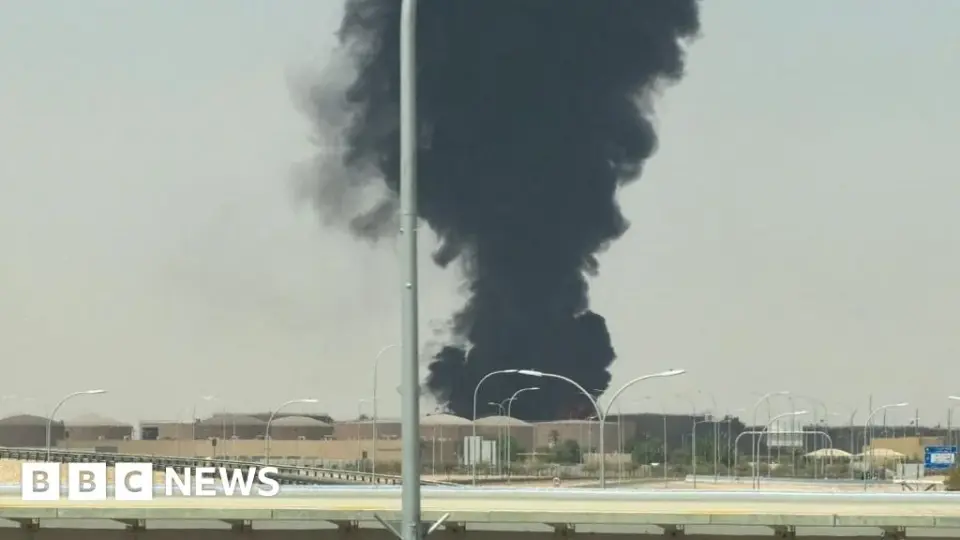
Iran-backed Houthi militants in Yemen launched a significant escalation against Saudi Arabia, targeting the capital Riyadh and coastal oil facilities with ballistic missiles, cruise missiles, and drones. Saudi air defenses intercepted incoming threats, including a missile aimed at Riyadh, though smoke and flames were reported near King Khalid International Airport, causing temporary flight disruptions. The Houthis claimed the strikes were retaliation for recent Saudi attacks on Sanaa and a blockade of their ports. The incident coincides with a broader regional crisis involving a US-Iran war, a naval blockade of the Strait of Hormuz, and rising oil prices, with Brent crude up 72% since the start of 2026.
Key points
- Houthi military spokesman Yahya al-Sarea confirmed attacks on 'sensitive sites' in Riyadh and Aramco facilities in Yanbu using ballistic and cruise missiles and drones.
- Saudi authorities intercepted a ballistic missile targeting Riyadh and reported air defenses stopping hostile attempts in Bish, Taif, Farasan, and Yanbu.
- Smoke and flames were observed near Riyadh's King Khalid International Airport, leading to temporary flight delays and cancellations, though Saudi officials issued an all-clear after initial alerts.
- The US State Department urged Americans in the Middle East to exercise vigilance and reconsider travel due to the potential for rapid escalation in the conflict.
- The attacks occurred amid a broader regional crisis, including a US-Iran war that has closed the Strait of Hormuz, forcing Saudi Arabia to divert oil exports via the Red Sea and the East-West pipeline, which was recently damaged by a drone attack.
Background
This escalation follows a series of Houthi attacks on Saudi infrastructure since July 2026, including strikes on Mecca and the Jazan refinery. The Houthis recently seized the strategic port city of Mokha and Perim Island near the Bab el-Mandeb Strait, citing a Saudi blockade of their ports. The conflict is part of a wider regional tension involving a US-Iran war, with oil prices surging 72% since the start of 2026 due to disrupted energy supplies.
How outlets are covering it
BBC and The New York Times emphasize the direct impact on Riyadh, noting the first air raid alerts in the capital since the Houthi escalation in July and the temporary disruption at King Khalid International Airport. CNBC highlights the broader economic and diplomatic context, linking the attacks to the US-Iran war, the closure of the Strait of Hormuz, and ongoing mediation efforts involving Pakistan and Qatar. All three outlets agree on the interception of missiles by Saudi air defenses but differ in emphasis: BBC and NYT focus on the immediate security and civilian impact, while CNBC stresses the global oil market implications and diplomatic negotiations.
Why it matters
The Houthi strikes on Riyadh and Saudi oil facilities represent a major escalation in the Yemen civil war and a direct threat to Saudi stability and global energy supplies. With the Strait of Hormuz closed due to the US-Iran war, Saudi Arabia's reliance on Red Sea exports and the East-West pipeline makes it vulnerable to further attacks. Rising oil prices and potential travel disruptions underscore the broader regional instability and its impact on global markets and security.
What to watch
Saudi Arabia is expected to continue intercepting Houthi attacks and may seek further military support, including from the UK, as reported in earlier coverage. The US and Iran are engaged in mediation efforts, with Iran demanding an end to the war, release of frozen assets, and lifting of the naval blockade. Oil prices may remain volatile as the conflict and shipping disruptions persist, with JP Morgan noting difficulty in forecasting the endgame.
- Smoke seen near Riyadh airport after air raid alerts in Saudi capital BBC
- Flames reported near Saudi capital airport as Pakistan presses Iran over energy supplies cnbc.com
- Reported Explosions Put Saudi Capital on Edge Amid Conflict With Houthis The New York Times
- Flames, smoke seen near Riyadh airport after Saudi warning of aerial attack threat Reuters
- Air Attack Sets Fuel Depot Ablaze at Airport in Saudi Capital WSJ
Want the full story? Read the original reporting
Read on BBC