
MI5 chief confirms Russian Brexit meddling but warns against overstating its impact
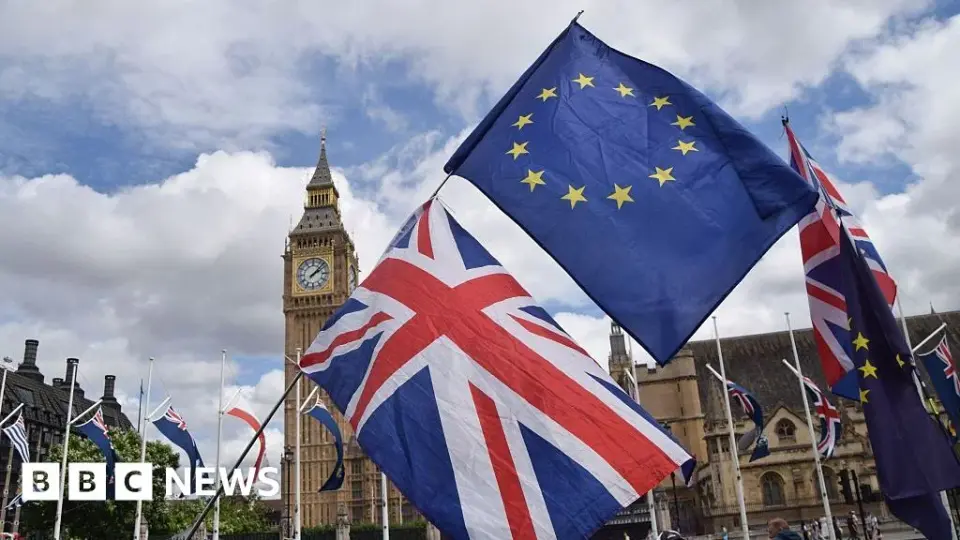
MI5 chief Sir Ken McCallum confirmed that Russia attempted to interfere in the 2016 Brexit referendum through state media and online trolls, but cautioned that the impact on the final result was likely minimal. This statement follows Prime Minister Andy Burnham’s recent admission that he was briefed on such interference, a move that sparked political backlash. While Burnham’s comments initially suggested the vote’s legitimacy was in question, Downing Street later clarified that the government does not believe the interference was successful. McCallum warned that prolonged debate risks giving Moscow a propaganda victory by exaggerating the effectiveness of its disinformation campaigns.
Key points
- Sir Ken McCallum stated that Russian-owned outlets RT and Sputnik, along with internet trolls, attempted to influence the 2016 referendum but were not particularly sophisticated or successful.
- Prime Minister Andy Burnham confirmed he was briefed on Russian interference upon taking office in July, but later clarified that the government does not believe the referendum result was swayed.
- Conservative deputy leader Alex Burghart criticized McCallum’s comments as a slap in the face to the Prime Minister, while Boris Johnson accused Burnham of lying based on previous security service assessments.
- McCallum warned that continuing to debate the issue risks allowing Russian adversaries to divide the UK and gain undue attention for their 'comparatively unimpressive' efforts.
Background
This development follows Prime Minister Andy Burnham’s initial admission on a podcast that he had received a 'clear answer' from intelligence sources regarding Russian interference in the 2016 vote, marking the first time a UK leader explicitly confirmed such meddling. Previous Conservative governments had denied successful interference, and a 2020 parliamentary report had not reached a firm conclusion on the matter. Burnham linked his comments to current concerns about Russian disinformation campaigns targeting elections in Germany and France.
How outlets are covering it
The BBC and The Guardian report that MI5 chief Sir Ken McCallum confirmed interference attempts but emphasized the distinction between attempted interference and actual impact on the vote outcome. The Washington Post highlights the political fallout, noting that Burnham’s initial comments sparked fury and required clarification from Downing Street to ensure the referendum result was not deemed illegitimate. While The Guardian notes that previous studies cited specific numbers of misleading articles and troll accounts, McCallum described these efforts as 'comparatively unimpressive.' Conservative figures, including Boris Johnson and Nigel Farage, disputed Burnham’s claims, with Johnson accusing him of lying based on previous security service assessments, while Farage called the PM a liar. The outlets differ in emphasis: The BBC and The Guardian focus on the intelligence assessment and the warning against overstating impact, while The Washington Post focuses on the political controversy and the government’s scramble to clarify its position.
Why it matters
The debate over Russian interference in the Brexit referendum has significant implications for UK-Russia relations and domestic political discourse. It highlights the ongoing challenge of distinguishing between attempted disinformation and actual impact on democratic processes. The controversy also underscores the sensitivity of discussing historical interference in the context of current elections in Europe, such as those in Germany and France. Furthermore, it raises questions about the role of intelligence agencies in informing public policy and the potential for political exploitation of such assessments.
What to watch
The political debate is expected to continue, with potential further scrutiny from opposition parties and calls for a formal review of the 2016 referendum’s integrity. The government may face pressure to provide more detailed evidence of Russian interference, while pro-Brexit figures may continue to challenge the legitimacy of the vote. Additionally, the issue may influence future discussions on cybersecurity and disinformation campaigns in upcoming elections across Europe.
- MI5 chief warns against overstating Russian interference in Brexit vote BBC
- Russia did try to interfere in Brexit referendum, head of MI5 confirms The Guardian
- UK PM Burnham says Russia interfered in 2016 Brexit vote Reuters
- U.K. prime minister accuses Russia of meddling in Brexit vote The Washington Post
- A Brexit rebuke from MI5 is the humiliation Burnham deserves Yahoo
Want the full story? Read the original reporting
Read on BBC