
Iran’s Aviation Collapse and Oil Corruption Expose Deepening Economic Fractures
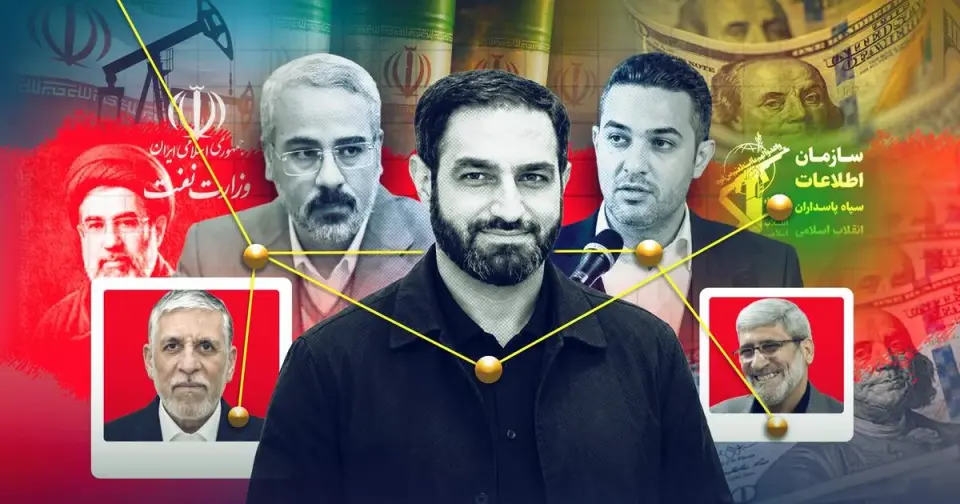
US aviation sanctions have halved Iran’s international flights, forcing costly detours and straining ties with neighbors like Iraq and Turkey. Simultaneously, the rial hit a record low as US Treasury officials warned that Iran’s remaining oil exports to China could be exhausted within two weeks. Domestic political divisions have intensified over allegations that elite networks are profiting from sanctions-bypassing oil sales, while hardliners and moderates clash over diplomatic strategies with Washington.
Key points
- Flight-monitoring data shows US sanctions reduced Iran’s international flights by 50% in one week, with foreign carriers largely ceasing operations.
- Travelers face significantly higher costs and longer routes, with some journeys through Armenia or Turkey tripling in price compared to direct flights.
- Iraq suspended flights to Iran on September 22, though a potential one-month waiver for Iraqi Airways to carry Shia pilgrims is being prepared by the US.
- The Iranian rial fell to a record low of 2.45 million per US dollar amid economic pressure and trade restrictions with neighboring countries.
- Investigative reports allege that four oil brokers, linked to the IRGC, have been granted rights to sell 80 million barrels of oil, generating an estimated $1.5 billion in profits while evading sanctions.
- Iranian officials have issued warnings to regional neighbors, stating that if Iran cannot fly, no country in the region will have airport access, though the government later distanced itself from military threat interpretations.
Background
Recent months have seen a shift in Iran’s power dynamics, with the IRGC consolidating control during wartime and coordinating loyalty networks. Previous coverage indicated that US strikes degraded Iran’s ability to surveil and mine the Strait of Hormuz, though oil traffic remained resilient. Oil prices had stabilized near $100 per barrel as diplomatic signals from Washington emerged, while China’s massive oil stockpiles helped buffer global markets against potential disruptions from the Iran conflict.
How outlets are covering it
Iran International highlights the immediate human and economic impact of aviation restrictions, noting how detours through Istanbul or Yerevan have tripled travel costs for ordinary citizens. It also emphasizes the diplomatic friction with Iraq over pilgrimage routes. In contrast, IranWire and Middle East Eye focus on the internal political economy, detailing how sanctions have created a class of 'nouveau riche' oligarchs who profit from circumventing restrictions. These outlets argue that hardline factions, such as the Paydari Front, benefit from maintaining sanctions, while moderates supporting President Pezeshkian favor normalization. The Jerusalem Post offers a cultural perspective, arguing that Iran’s true wealth lies in its cultural heritage, which the regime has neglected in favor of ideology, though this view is less focused on the immediate economic and aviation crises. There is a clear divergence between outlets focusing on external sanctions impacts (Iran International) versus internal corruption and political factions (IranWire, MEE).
Why it matters
The collapse of Iran’s air links and the record-low rial signal a deepening economic isolation that could exacerbate domestic unrest. The alleged corruption in oil sales suggests that elite networks may actively sabotage diplomatic efforts to maintain their illicit profits, complicating any potential US-Iran deal. Furthermore, the strain on regional ties, particularly with Iraq and Turkey, risks destabilizing broader Middle East relations and could lead to further economic retaliation or political friction.
What to watch
Watch for the implementation of the potential one-month waiver for Iraqi Airways to carry pilgrims, which could serve as a test case for broader sanctions relief. Monitor the rial’s value and trade restrictions with Iraq, as further economic pressure could trigger domestic protests. Additionally, observe whether the US and Iran proceed with indirect talks mediated by Qatar, as the outcome will determine whether oil exports to China continue or are fully restricted. The behavior of oil flows through the Strait of Hormuz will also indicate whether Iran’s threats have any practical impact on global energy supplies.
- Key IRGC intelligence figure in Iran’s oil sales identified: Who is Mostafa Ahadi? iranintl.com
- Iran’s wealth was never oil; the regime proved it by locking it in a basement - opinion The Jerusalem Post
- How Sanctions Have a Made a New Class of Nouveau Riche in Iran IranWire
- Iranian press review: Iranian elite profit billions from oil sanctions Middle East Eye
- Iranian elite profiting from oil sanctions Middle East Eye
Want the full story? Read the original reporting
Read on iranintl.com