
GOP Candidates Abandon Trump as Midterm Polls Turn Against President
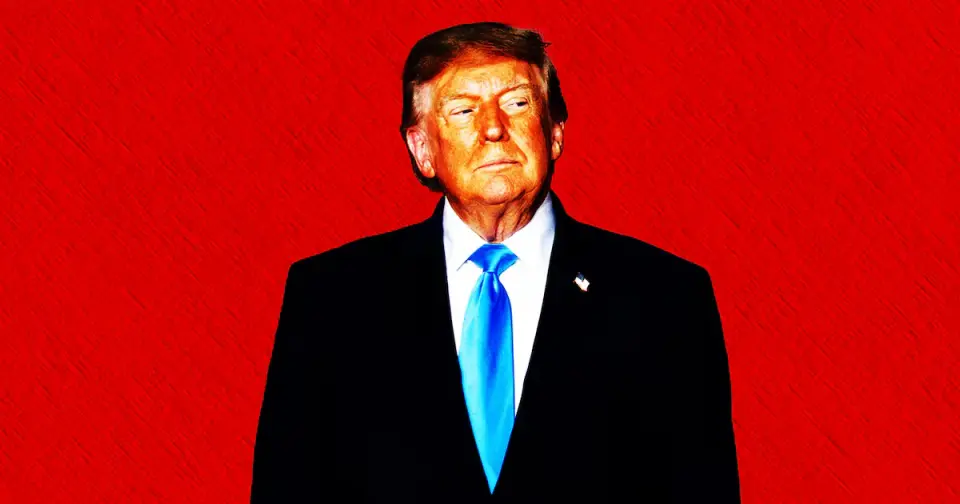
A Reuters analysis indicates that 41 of 62 Republican candidates in competitive races are distancing themselves from President Trump ahead of the November midterms. This strategic retreat follows a sharp drop in the generic ballot and reflects widespread concern over the president's low approval ratings and unpopular economic policies.
Key points
- Reuters found that approximately two-thirds of GOP candidates in competitive House and Senate races are actively distancing themselves from President Trump to improve their electoral chances.
- Trump's recent campaign stops have focused on lower-tier states like Alabama and Oklahoma, while he has skipped key battlegrounds such as Maine and Michigan, contradicting his earlier promises to campaign in 35 competitive areas.
- Polls show a significant shift in the generic ballot toward Democrats following Trump's September midterm convention, which many Republicans skipped due to scheduling conflicts or concerns about his low approval numbers.
- Economic dissatisfaction is driving the distancing, with 63% of Americans believing the economy is worsening and only 17% approving of Trump's handling of cost-of-living issues, according to an AP/NORC poll.
- Republican candidates like Florida gubernatorial candidate Byron Donalds are adopting 'affordability' messaging that acknowledges high costs, a direct departure from Trump's dismissal of cost-of-living concerns as a 'hoax'.
Background
In early September, Trump attempted to nationalize the midterms by hosting a Dallas convention, but at least 45 Republicans, including First Lady Melania Trump, skipped the event. This followed earlier tensions where Trump pressured House Republicans on AI regulation, highlighting a growing rift between the president and his party's leadership on policy and strategy.
How outlets are covering it
The Daily Beast emphasizes the sheer scale of the distancing, citing Reuters data that 41 of 62 candidates are avoiding Trump. CNN focuses on Trump's emotional reaction, noting his repeated claims that his rallies are 'saving the party' despite evidence that his presence may be a liability. The BBC highlights the economic dimension, showing how candidates are pivoting to affordability messages to counter Trump's dismissive stance on high costs. While The Daily Beast and CNN frame the issue as a crisis of loyalty and ego, the BBC frames it as a pragmatic response to voter sentiment on the economy.
Why it matters
The widespread distancing from Trump signals a potential loss of control over the Republican Party's electoral strategy. If the generic ballot continues to favor Democrats, the party risks losing its congressional majority, which would limit Trump's legislative power and increase oversight in his final two years in office.
What to watch
With less than four weeks until the election, the focus will shift to whether Trump's rallies can reverse the generic ballot trend or if the distancing strategy will help Republicans hold their seats. The outcome will determine the balance of power in Congress for the remainder of Trump's term.
- Trump Hit by Brutal Count of Republicans Running From Him The Daily Beast
- Trump seems pretty sore over Republicans not wanting to campaign with him CNN
- The Republican candidates walking a Trump tightrope BBC
- Most Republicans in tight midterm races distance themselves from Trump, Reuters review finds Reuters
- Embattled Republicans Rebuff Trump as Their Senate Races Tighten Bloomberg.com
Want the full story? Read the original reporting
Read on The Daily Beast