
Netanyahu’s Yom Kippur Tunnel Visit and Settler Incursions Spark Diplomatic Crisis
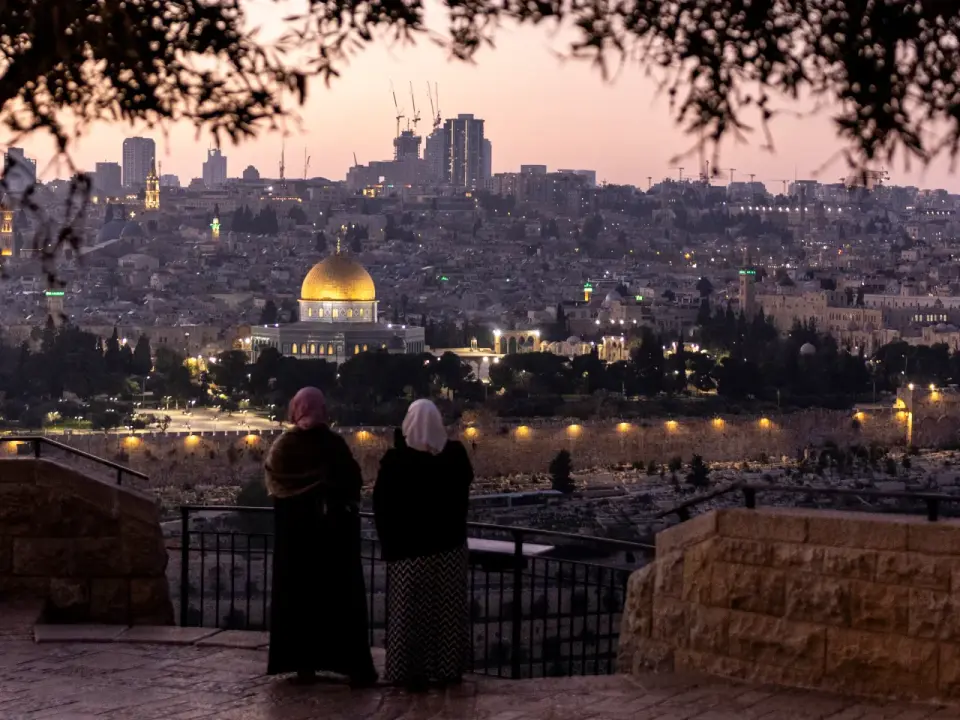
Israeli Prime Minister Benjamin Netanyahu and National Security Minister Itamar Ben-Gvir visited the Al-Aqsa Mosque compound and its underground tunnels in East Jerusalem ahead of Yom Kippur. While Netanyahu entered subterranean excavation sites, approximately 570 to 992 settlers stormed the courtyards to perform rituals. The visits triggered strong condemnation from Arab states and Hamas, who cited violations of the site's status quo and Islamic identity. Analysts suggest the moves are politically motivated ahead of an Israeli election, aiming to consolidate support among the right-wing base.
Key points
- Netanyahu and his wife Sara visited tunnels beneath the Western Wall, describing the location as close to the 'Holy of Holies' in a video statement.
- Ben-Gvir led a group of settlers into the Al-Aqsa compound on Thursday, while Netanyahu visited the tunnels on Saturday.
- The Palestinian Jerusalem governorate reported 570 settlers entered by 10 am on Sunday, while TRT World cited 992 settlers entering ahead of Yom Kippur.
- Jordan, Kuwait, Qatar, and Saudi Arabia condemned the incursions as violations of international law and the site's historical status quo.
- Hamas described Netanyahu's tunnel entry as a 'flagrant assault' on the identity of Al-Aqsa, rejecting Israeli claims to the site.
- Political analyst Ahmed al-Hila argues Netanyahu is using religious symbolism to secure votes ahead of the October general election, where he trails rival Gadi Eisenkot.
Background
This incident follows a pattern of escalating tensions in East Jerusalem. In early September, Ben-Gvir previously stormed the compound to urge the establishment of a Jewish temple. Earlier in the year, Israeli courts acquitted a settler for assaulting a nun, highlighting rising violence against religious minorities. Additionally, Israel's mandate for Israeli curricula in East Jerusalem schools has sparked strikes, reflecting broader concerns over cultural and educational coercion in the occupied territories.
How outlets are covering it
Al Jazeera emphasizes the political motivation behind Netanyahu's visit, linking it to his electoral struggles and the E1 settlement project. TRT World and Anadolu Ajansı focus heavily on the diplomatic fallout, detailing specific condemnations from Arab foreign ministries regarding the breach of the site's status quo. Hürriyet Daily News provides a factual account of the security measures and the large number of Israelis entering the Western Wall plaza. All sources agree on the provocative nature of the incursions but differ in emphasis: Al Jazeera highlights domestic Israeli politics, while the Turkish outlets prioritize the international and regional diplomatic response.
Why it matters
The incursions risk destabilizing the region by challenging the long-standing status quo at one of the world's most sensitive religious sites. The diplomatic backlash from major Arab states could strain relations with Israel and its allies. Furthermore, the timing suggests a strategic attempt by Israeli leadership to consolidate domestic support through religious nationalism, potentially accelerating policies that further isolate East Jerusalem from the West Bank.
What to watch
Observers will monitor the impact of these incursions on the upcoming Israeli general election in October. Diplomatic channels may see increased pressure on Israel from Arab states and international bodies to halt excavations and prevent further violations. The status of the E1 settlement project and the broader peace process remain under scrutiny as tensions in East Jerusalem escalate.
- Israeli settlers storm Al-Aqsa in latest targeting of East Jerusalem sites Al Jazeera
- Arab states condemn Ben-Gvir’s Al-Aqsa visit as Hamas denounces Netanyahu’s entry into holy site Anadolu Ajansı
- Arab nations condemn Ben-Gvir's provocative incursion into Al-Aqsa Mosque compound TRT World
- Thousands of Israelis enter Western Wall plaza amid tight security Hürriyet Daily News
- Ekrima Sabri says Israeli activities during Jewish holidays aim to assert Sovereignty over Al-Aqsa Middle East Monitor
Want the full story? Read the original reporting
Read on Al Jazeera