middle-east23.57 min read
Riyadh airport hit again as Saudi Arabia vows decisive retaliation against Houthis
5 hours ago•Source: The Washington Post

The latest middle east stories, each synthesized from multiple sources with added background and context.
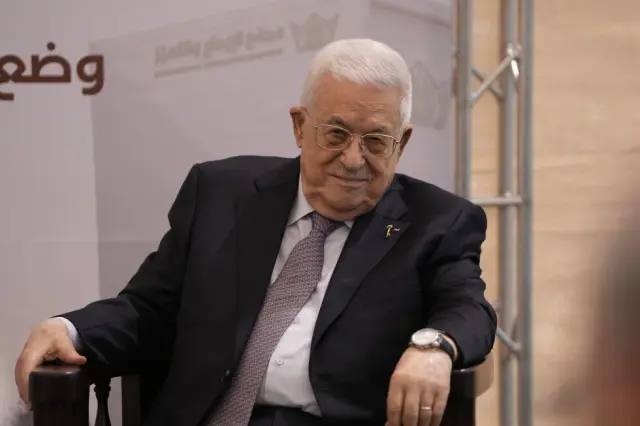
Palestinian President Mahmoud Abbas has postponed legislative and presidential elections to September 11, 2027, marking the first vote in nearly 20 years. The decision, announced via decree, cites security conditions and Israeli restrictions in Gaza as primary obstacles. This move preserves Abbas's grip on power amid growing internal opposition and erodes the Palestinian Authority's credibility with international donors.

Iran International•2 days ago
Hamas and other Palestinian factions are moving to postpone the November 28 legislative elections, citing unresolved logistical issues in Gaza and east Jerusalem. While 88% of eligible voters have preregistered, no major slates have been filed, and a coalition involving exiled Fatah chief Mohammed Dahlan threatens to challenge incumbent leader Mahmoud Abbas.

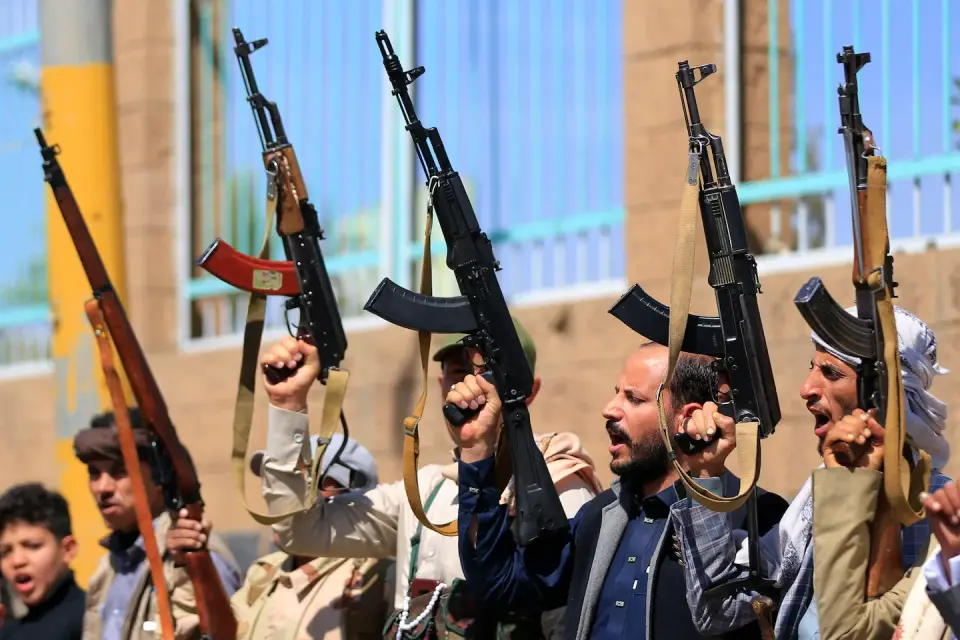
Iran-backed Houthis launched missile attacks on Saudi airports, killing three and injuring dozens. Houthi leader Abdul Malik al-Houthi warned of a long conflict, while Saudi Arabia intercepted incoming missiles and launched counter-strikes in Yemen. The escalation has driven oil prices higher and prompted US travel warnings.
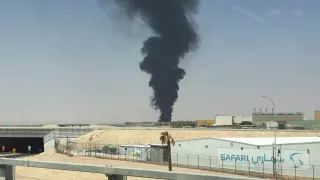
Explosions were heard in Riyadh on Thursday as the Saudi-led coalition retaliated against Houthi attacks on two major airports. Three people were killed and 36 wounded in strikes on King Khalid International Airport in Riyadh and Abha International Airport. The coalition destroyed 82 military targets in Yemen, while Yemeni government forces claimed to have neutralized 1,860 Houthi fighters in a counter-offensive.
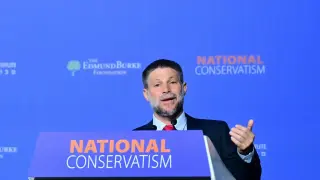
Israeli Finance Minister Bezalel Smotrich’s warning that Israel would destroy Sinai if Egypt attacked has sparked a wave of threats and diplomatic rejection from Egyptian media, politicians, and officials. While Smotrich framed the statement as a deterrent, Egyptian figures cited the 1973 war and warned of severe consequences, with Cairo officially dismissing the remarks as hollow electoral rhetoric.
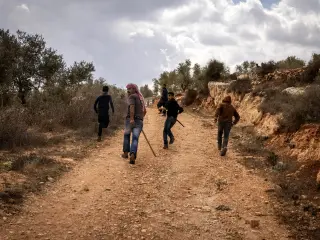
A 44-year-old Palestinian man was killed and 16 others wounded by Israeli settlers during the olive harvest in the northern West Bank. The violence, which occurred under the protection of Israeli forces, also resulted in the assault of an AFP photographer and the destruction of thousands of olive trees. While Palestinian authorities and international media condemn the attacks as war crimes and acts of intimidation, the Israeli military has not intervened to stop settler violence, which has intensified ahead of upcoming elections.
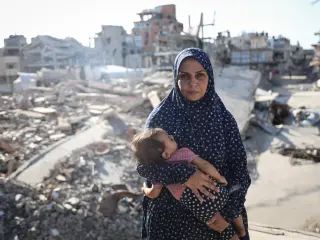
Three years after the October 7, 2023 attacks, Gaza faces a deepening humanitarian and social crisis. While a ceasefire has halted major combat, violence persists, with over 1,400 Palestinians killed since its implementation. Civilians report cumulative losses, including family members, homes, and basic infrastructure. Daily survival now revolves around securing water, food, and electricity, as the war has fundamentally altered social norms and personal identities. International legal proceedings continue, but on-the-ground conditions remain dire, with many residents describing a life of constant uncertainty and grief.
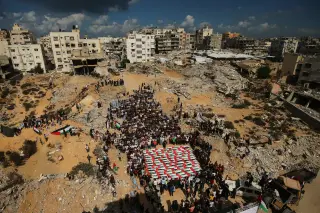
Three years after the October 7, 2023 attack, Israeli military operations in Gaza continue, resulting in rising death tolls despite a ceasefire declared in October 2025. While Israel commemorates the anniversary with national mourning, Palestinian civilians report ongoing fear and displacement. The conflict remains unresolved, with significant humanitarian consequences and stalled peace negotiations.

On the third anniversary of the October 7 attack, Israel holds memorials amid deep political division, while Gaza faces ongoing humanitarian crisis and media outlets reflect on unreported stories.
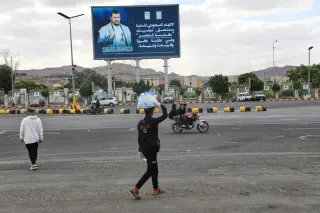
Houthi attacks on Saudi airports and an Aramco refinery injured three people, according to AP. The Saudi-led coalition intercepted a ballistic missile north of Riyadh, while Houthi officials claimed successful strikes on King Khalid International Airport and other targets. Fighting in Yemen has killed over 270 personnel in 24 hours, with government forces claiming advances near the Bab al-Mandeb strait despite Houthi denials.
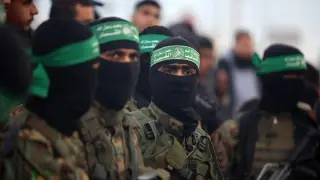
Three years after the October 7, 2023 attack, Hamas is in its worst strategic position since inception, having agreed to lay down arms in Gaza in exchange for Israeli withdrawal. While Israel marks the anniversary with commemorations and personal stories of loss, internal divisions within Hamas persist over the attack's legacy. The ceasefire, brokered in October 2025, has held despite Israeli strikes on Hamas commanders, with the group refraining from retaliation.