
Israel’s election panel blocks Arab parties, defying legal objections
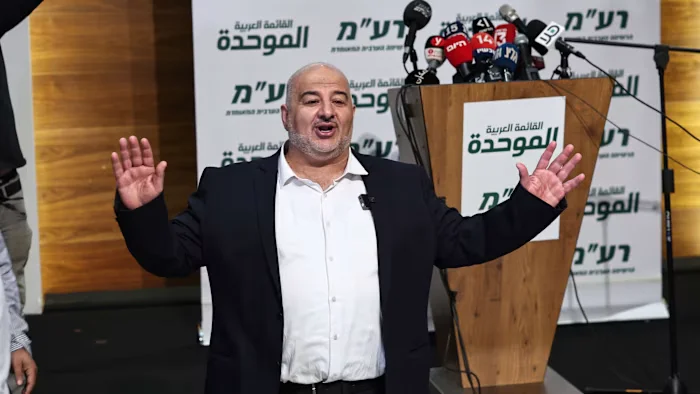
Israel’s Central Elections Committee voted 18-5 to disqualify the Ra'am and Joint List parties from the October 27 parliamentary election, despite opposition from the Attorney-General’s office. The decision, driven by petitions from Netanyahu’s coalition, is expected to be appealed to the Supreme Court, which has previously overturned similar bans. The move aims to exclude Arab representation in a closely contested election where neither major bloc currently holds a majority.
Key points
- The Central Elections Committee barred Ra'am and the Joint List by a 18-5 vote, with one abstention, ahead of the October 27 election.
- Petitions against Ra'am were filed by Likud, Jewish Power, and a victims' group, citing alleged links to terrorism and racism.
- The Attorney-General’s office opposed both disqualifications, stating the evidence did not meet the high legal threshold required for exclusion.
- Ra'am leader Mansour Abbas called the decision 'unacceptable' and part of a campaign to delegitimize Arab representation, while the Joint List labeled it 'racist and anti-democratic.'
- Both parties plan to appeal to the Supreme Court, which has previously overturned bans on Arab parties in 2019 and 2022.
Background
Recent polls indicate a tight race, with the Zionist opposition bloc holding around 54 seats and Netanyahu’s coalition around 50 in the 120-seat Knesset. Arab parties, which hold 12 seats, are seen as potential kingmakers. A prior Maariv poll suggested the opposition could reach a 61-seat majority without Arab support, but the current exclusion of Arab lists may alter the balance. The decision follows a series of moves by Ra'am leader Mansour Abbas to integrate Jewish politicians and separate from Islamic councils, which petitioners argued did not negate the party’s alleged ties to prohibited activities.
How outlets are covering it
The Financial Times emphasizes the political nature of the decision, noting that the committee is dominated by Netanyahu’s coalition and that the move caps a concerted push to delegitimize Arab groups. The Jerusalem Post highlights the legal contradictions, stressing that the Attorney-General’s office found the evidence insufficient and that the Supreme Court has a strict standard for disqualification. Both outlets agree that the decision is likely to be overturned, but the FT frames it as part of a broader strategy to influence the election outcome, while the JPost focuses on the procedural illegitimacy and the parties’ appeals.
Why it matters
The exclusion of major Arab parties could significantly impact the outcome of a closely contested election, potentially preventing the formation of a government if neither bloc can secure a majority. The decision also raises concerns about democratic participation and the role of the judiciary in upholding electoral integrity. If the Supreme Court overturns the bans, it would reinforce the high bar for disqualifying parties, but if upheld, it could set a precedent for future political exclusions.
What to watch
Ra'am and the Joint List are expected to appeal to the Supreme Court next week. The committee will also consider petitions to bar other parties, including Jewish Power and Religious Zionism, on Thursday. The Supreme Court’s ruling will be critical in determining whether the Arab parties can participate in the October 27 election.
- Israeli election committee bars main Arab parties from next month’s poll Financial Times
- Israel's Elections Committee Votes to Bar All Arab Parties haaretz.com
- Central Elections Committee bars Arab Ra'am, Joint List parties from running in October elections The Jerusalem Post
- Election Committee Disqualifies MK Ofer Cassif From October's Knesset Race i24NEWS
- Election panel disqualifies all Arab parties, in move likely to be overturned; Balad leader also barred The Times of Israel
Want the full story? Read the original reporting
Read on Financial Times