
Wounded US Troops Allege Military Medical System Failed Them After Iranian Drone Strike
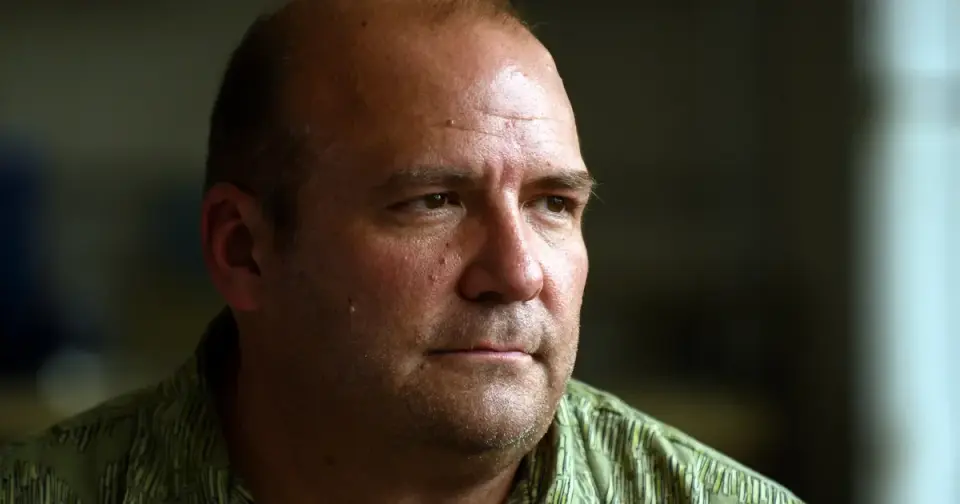
Nine US service members injured in a March 2026 Iranian drone strike at Port Shuaiba, Kuwait, have publicly criticized the Department of Defense for failing to provide adequate medical care. The soldiers allege that bureaucratic errors, such as incorrect combat-wounding codes, prevented them from being admitted to major military hospitals like Landstuhl Regional Medical Center in Germany. Instead, many were sent to barracks and forced to seek outpatient care independently. The Pentagon maintains that all troops were evaluated according to standard practices, but critics point to years of disinvestment in Middle East medical facilities as a root cause.
Key points
- An Iranian drone strike on March 1, 2026, at Port Shuaiba in Kuwait killed six US troops and injured dozens, including Army Lt. Col. Arturo Lincón and Maj. Stephen Ramsbottom.
- Wounded soldiers reported that their injuries were not deemed serious enough for admission to Landstuhl Regional Medical Center in Germany, despite some having life-threatening wounds like severed arteries.
- A coding error led to some soldiers being documented as non-combat wounded, resulting in their exclusion from hospitalization and placement in barracks instead.
- Several soldiers, including Chief Warrant Officer 4 Rodney Bearman, waited up to 10 days for evacuation from Kuwait and were strapped to cargo plane floors during transport.
- Traumatic brain injuries (TBIs) were often not diagnosed until soldiers returned to the US, with some waiting months for MRI results and specialized care.
- The Pentagon stated that all wounded troops were evaluated and admitted based on severity, but soldiers describe a system that left them to fight for their own treatment.
Background
This incident follows years of US military disinvestment and drawdowns in the Middle East, which left the region without major US-run medical facilities. Previous archive coverage highlights that the Army has not released its investigation findings into the Port Shuaiba attack, citing the need to brief next of kin first. The strike occurred during the second day of the US war with Iran, and the location was chosen despite warnings about its vulnerability to drones.
How outlets are covering it
The Associated Press and HuffPost report that nine service members spoke on the record, describing a medical system that failed them, with the Pentagon declining to comment or stating that care was appropriate. The New Republic emphasizes the Department of Defense's failure to provide defensive tools and post-strike care, noting that Defense Secretary Pete Hegseth initially called the strike 'a squirter.' Esquire focuses on the broader criticism of Hegseth's disregard for service members. All sources agree on the core allegations of delayed care and bureaucratic errors, but differ in emphasis: AP and HuffPost focus on individual soldier testimonies, while The New Republic and Esquire frame the issue as a systemic failure of the Trump administration's military leadership.
Why it matters
The failure to provide timely and adequate medical care to wounded soldiers raises serious questions about the readiness and responsiveness of the US military in conflict zones. It highlights the consequences of years of disinvestment in Middle East medical infrastructure and the potential risks of bureaucratic errors in combat documentation. The incident also underscores the human cost of the US war with Iran and the ongoing debate over military strategy and resource allocation.
What to watch
The Army is expected to release its investigation findings into the Port Shuaiba attack after briefing the families of the killed. Soldiers continue to seek specialized care and benefits, with some still struggling with unresolved medical issues months after the strike. The Pentagon may face increased scrutiny over its medical protocols and resource allocation in the Middle East.
- Soldiers Seriously Wounded In Iranian Drone Strike Say Military's Medical System Failed Them HuffPost
- Most families of US troops killed in the Iran war's deadliest attack weren't at White House event AP News
- Soldiers Wounded in Iran Say DOD Made Them Get Their Own Treatment The New Republic
- I’m Convinced That Pete Hegseth Doesn’t Actually Care About Our Armed Service Members Esquire
- Soldiers Wounded by Iranian Drone Strike Accuse Military Health Care System of Failing Them Military.com
Want the full story? Read the original reporting
Read on HuffPost