Tag

Traumatic Brain Injury

All articles tagged with #traumatic brain injury

EPA-heavy fish oil may hinder brain repair after repeated head injuries
science1 month ago

EPA-heavy fish oil may hinder brain repair after repeated head injuries

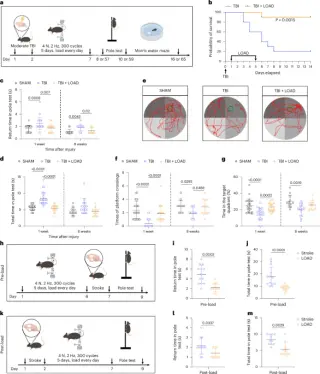
A Cell Reports study in mice and human brain endothelial cells found that long-term fish oil supplementation high in EPA may reduce brain repair capacity and promote tau accumulation after repeated mild TBIs, while DHA showed no similar effect. The results suggest context-dependent effects of omega-3s on brain healing and are not yet proven in humans; individuals with a history of repeated head injuries should discuss fish oil use with a clinician.

Fish-Oil EPA May Hamper Brain Repair After Mild Head Injury
science1 month ago

Fish-Oil EPA May Hamper Brain Repair After Mild Head Injury

A mouse study found that EPA, an omega-3 in fish oil, can impair blood vessel repair and worsen cognitive recovery after mild traumatic brain injury, while DHA did not have this effect. EPA also accumulated in the brain and was linked to toxic tau buildup, suggesting a context-dependent risk with EPA-containing supplements. Relevance to humans remains uncertain, but the findings highlight the need for precision nutrition and further trials.

EPA in Fish Oil May Hinder Brain Repair After Injury
science1 month ago

EPA in Fish Oil May Hinder Brain Repair After Injury

A Cell Reports study in mice with repetitive traumatic brain injuries found that high brain levels of EPA from fish oil can impair blood-vessel repair and increase vulnerability to cognitive decline and abnormal tau buildup, while DHA remained neutral; results are preliminary and mostly in animals, so human relevance is unclear and effects may depend on context.

EPA in Fish Oil Linked to Slower Brain Repair After Repeated Head Injuries
science1 month ago

EPA in Fish Oil Linked to Slower Brain Repair After Repeated Head Injuries

A MUSC study published in Cell Reports shows that EPA, an omega-3 fatty acid in fish oil, can hinder brain repair after repetitive mild traumatic brain injuries, while DHA remains generally beneficial; in mice and human endothelial cells EPA reduced repair and angiogenesis, with postmortem CTE tissue showing related lipid and vascular changes. The authors caution that omega-3 effects are context-dependent and not universally protective, urging more research into precision nutrition and EPA handling in the brain.

Non-Scarring Brain Implants Revolutionize Neuroscience
healthcare9 months ago

Non-Scarring Brain Implants Revolutionize Neuroscience

Axoft, a Harvard-founded startup, is developing a soft, biocompatible neural probe that minimizes brain damage and scar tissue formation, enabling more accurate and long-term brain activity monitoring, especially for patients with traumatic brain injuries. The innovative device, made from a new material called Fleuron, can host thousands of sensors and is progressing through clinical trials with plans for FDA approval by 2028.

Study Links Domestic Violence to Long-Term Brain Damage
health11 months ago

Study Links Domestic Violence to Long-Term Brain Damage

A study from the University of Glasgow found that women who experience domestic violence, especially physical abuse, are at increased risk of traumatic brain injury and mental health issues like depression, anxiety, and PTSD, with these risks persisting for decades after the abuse. The research highlights the long-lasting impact of intimate partner violence on brain health and underscores the need for targeted interventions and further research.

"When the Man of My Dreams Vanished, the Truth Was Unimaginable"
human-interest2 years ago

"When the Man of My Dreams Vanished, the Truth Was Unimaginable"

A California couple, Cody Bryant and Haley Woloshen, nearly missed their chance at love after Bryant was left in a coma from a moped accident in Ibiza, causing him to forget their initial bond. Despite the challenges, including Bryant's partial paralysis and memory loss, the couple rekindled their relationship and Bryant made significant strides in his recovery, even summiting a volcano in Guatemala with Woloshen's support. They now share their journey to raise awareness about traumatic brain injuries.

"1 in 8 Older Americans Suffer Traumatic Brain Injury"
health2 years ago

"1 in 8 Older Americans Suffer Traumatic Brain Injury"

A new study reveals that about 13% of U.S. seniors will experience a traumatic brain injury, often due to falls, over an 18-year period. These injuries increase the risk of serious conditions like dementia and Parkinson's disease. The study found that healthier, wealthier, and more active seniors are at higher risk, possibly due to their increased engagement in activities. The findings highlight the importance of safety measures to prevent falls among older adults.

Wealthier, Healthier Seniors Face Higher TBI Risk
health2 years ago

Wealthier, Healthier Seniors Face Higher TBI Risk

A study by UCSF and the San Francisco VA Health Care System found that wealthier, healthier, and more active seniors have a higher risk of traumatic brain injury (TBI), often from ground-level falls. This contradicts previous findings in younger populations and underscores the need for tailored post-TBI care and preventative measures. The study, published in JAMA Network Open, highlights the importance of optimizing safety for active older adults to prevent serious conditions like dementia and cardiovascular disease.

"Recovering from Gun Violence: Challenges Faced by Young Survivors"
health2 years ago

"Recovering from Gun Violence: Challenges Faced by Young Survivors"

Gun injuries and mortality among U.S. children are on the rise, with firearms now being the leading cause of death for children and teenagers. Survivors of gunshot injuries, like 13-year-old Aaron Hunter, face lifelong challenges such as disability, pain, mental trauma, and financial burdens. The increase in nonfatal firearm injuries among minors is alarming, with traumatic brain injuries affecting the entire body and leading to ongoing physical and mental health issues. The road to recovery involves months of rehabilitation, ongoing medical monitoring, and significant impact on the entire family.

"Uncovering the Role of Brain Organoids in Understanding Traumatic Brain Injury and Dementia Risk"
health2 years ago

"Uncovering the Role of Brain Organoids in Understanding Traumatic Brain Injury and Dementia Risk"

Lab-grown minibrains, known as cerebral organoids, were used in a study to mimic the effects of traumatic brain injuries (TBIs) and investigate their link to dementia risk. The research revealed that malfunctioning TDP-43 proteins may injure and kill brain cells following a TBI, especially in individuals with a genetic risk of dementia. The study also identified a gene, KCNJ2, that when switched off, provided protection against the effects of TBIs, suggesting a potential treatment for TBI-related brain injuries, although further research is needed.

"Unheeded Warnings: The Lingering Impact of Brain Injuries on Military and Public Safety"
military-and-veterans-affairs2 years ago

"Unheeded Warnings: The Lingering Impact of Brain Injuries on Military and Public Safety"

Despite efforts to address traumatic brain injuries in the military, progress has been slow, with the Pentagon's Office of Inspector General reporting inconsistent identification and assessment of service members for such injuries. The lack of reliable imaging tools and underreporting of cases contribute to the challenge. Advocates emphasize the need for exposure logs and better recognition of low-level blast-related brain injuries. The issue is compounded by the link between traumatic brain injuries and mental health issues, as well as rare cases of aggression and violence.