
Ukraine’s Ground Robots Shift from Combat to Logistics and Evacuation
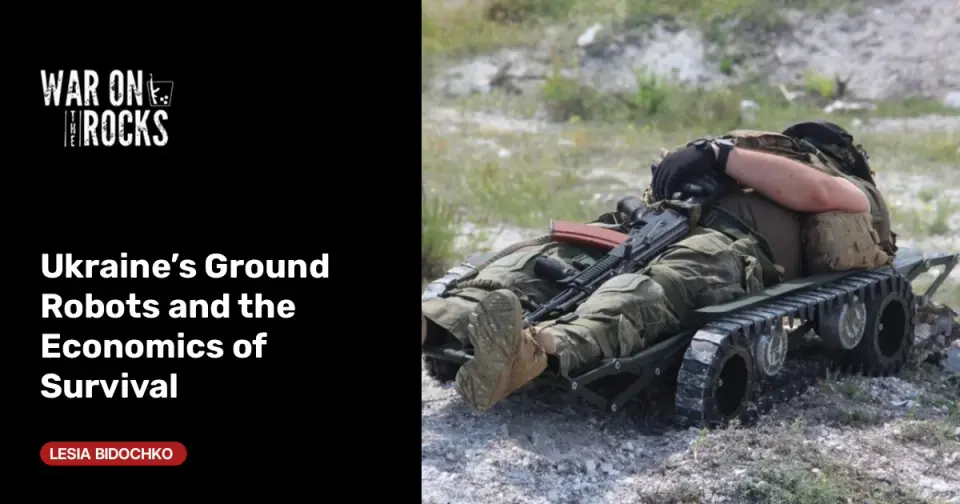
Ukraine has deployed over 100,000 ground robot missions, primarily for logistics and casualty evacuation rather than combat. While these systems reduce human exposure to Russian drones, they face significant challenges from terrain, communication disruptions, and the lack of automated loading mechanisms for the dead.
Key points
- By August 2026, Ukrainian ground robots completed over 100,000 missions, with 95% focused on logistics and only 2% on combat.
- The 3rd Assault Brigade increased robotic deliveries from 30 tons in January 2025 to 300 tons a year later, handling all battlefield evacuations.
- A 2024 Ukrainian General Staff model estimated that systematic ground robot use could reduce personnel losses by up to 30%.
- Russia has documented at least 32 ground robotic models, but its combat use lags significantly behind Ukraine’s scale.
- The U.S. Army’s Mission Autonomy initiative aims to integrate robotic logistics and evacuation into its doctrine, learning from Ukrainian experiences.
Background
Ukraine established its Unmanned Systems Forces in June 2024, unifying aerial, maritime, and ground systems. By mid-2026, the number of military units employing ground robots nearly doubled from 117 to 230. Earlier coverage noted a standardization crisis with 550 models from 270 manufacturers, but Ukraine has since developed digital platforms like Delta and ePoints to manage this mixed fleet.
How outlets are covering it
War on the Rocks emphasizes the economic and logistical benefits of ground robots, highlighting how they reduce human exposure and paperwork. UA.NEWS focuses on the challenges of evacuation, noting that Russian loitering drones make traditional routes dangerous, forcing reliance on robots. RBC-Ukraine points out a critical technical gap: there are no mass-produced devices for remotely loading bodies onto platforms, making evacuations of the dead difficult. Euromaidan Press highlights the vulnerability of robots to Russian fire, noting that multiple robots may be lost per evacuation, but the trade-off is worth it to save lives.
Why it matters
The shift from combat to logistics and evacuation demonstrates a new model of warfare where robots absorb labor and risk, allowing human soldiers to focus on decision-making. This approach could influence NATO doctrine, particularly for smaller eastern-flank states with limited manpower. The success of Ukraine’s integrated system, despite challenges, offers a template for Western militaries to develop interoperable robotic fleets.
What to watch
Ukraine is developing electronic-warfare systems to counter Russia’s emerging Rassvet satellite constellation, which could threaten Starlink-based communications. The U.S. Army’s Mission Autonomy initiative will test robotic logistics and evacuation in the coming years. Ukraine continues to refine its digital management platforms to handle larger fleets and improve autonomy in navigation and routine tasks.
- Ukraine’s Ground Robots and the Economics of Survival War on the Rocks
- Russian drones are hindering the evacuation of the wounded from the front lines, according to military officials UA.NEWS
- Ukraine's officer reveals challenge of evacuating fallen soldiers with robots RBC-Ukraine
- Four ground robots for one evacuation: Russia is targeting Ukraine’s robotic medevac missions Euromaidan Press
Want the full story? Read the original reporting
Read on War on the Rocks