
Nuclear Threat Initiative Report Flags Record Drop in U.S. Nuclear Safety Score
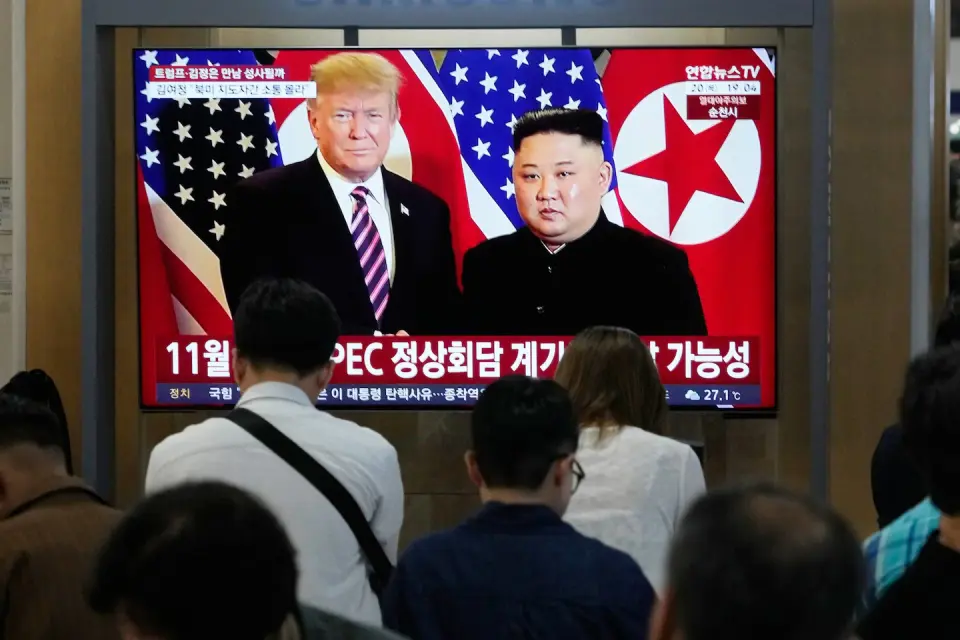
A new report by the Nuclear Threat Initiative (NTI) indicates a 'dramatic deterioration' in U.S. nuclear security, with the country's score falling by 10 points to 66 out of 100. This represents the largest decline in the NTI's history. The report attributes this drop primarily to the erosion of the Nuclear Regulatory Commission's (NRC) independence under the Trump administration, citing executive orders that compromised its oversight authority. While a White House official defended the changes as pro-innovation reforms, the NTI criticized the move. The report also noted North Korea's poor standing and recognized Ukraine's efforts in nuclear security despite ongoing conflict.
Key points
- The U.S. nuclear security score dropped by 10 points to 66/100, the largest decline recorded by the Nuclear Threat Initiative.
- The NTI report attributes the decline to the 'erosion of independence' of the Nuclear Regulatory Commission under the Trump administration.
- Executive orders were cited as compromising the NRC's oversight authority, though the White House defended them as pro-innovation.
- The report criticized North Korea's nuclear posture and recognized Ukraine's nuclear security efforts amid conflict.
- The findings suggest a global implication of stalled progress in nuclear security practices.
Background
This development follows earlier concerns raised in September 2026 about advanced AI potentially compromising nuclear security and critical infrastructure, as noted in a NY Post compilation of expert warnings. Additionally, in July 2026, the federal nuclear agency moved to relax radiation exposure rules, and in February 2026, the treaty limiting U.S. and Russian nuclear arms expired, highlighting a broader trend of shifting nuclear policies and international tensions.
Why it matters
The significant drop in the U.S. nuclear security score signals a potential weakening of regulatory oversight and safety standards, which could have implications for domestic nuclear safety and global non-proliferation efforts. The erosion of the NRC's independence raises concerns about the ability to enforce strict safety protocols, potentially increasing risks of accidents or proliferation. This is particularly concerning given the broader context of international nuclear tensions and the expiration of key arms treaties.
What to watch
The White House is expected to continue defending the NRC reforms as pro-innovation, while the NTI and other experts may push for reinstating the commission's independence and stricter oversight. The U.S. may face increased scrutiny from international partners regarding its nuclear safety standards, potentially affecting diplomatic relations and non-proliferation agreements. Further developments in nuclear policy and regulatory changes will be closely monitored for their impact on safety and security.
Want the full story? Read the original reporting
Read on The Washington Post