
Anak Krakatau Eruption Grounds 1,558 Flights, Stranding 170,000 Passengers Across Indonesia
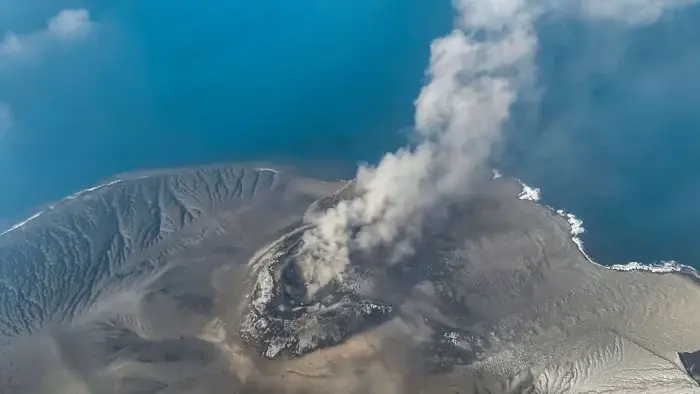
The eruption of Anak Krakatau volcano has forced the closure of eight airports in Indonesia, canceling or delaying 1,558 flights and affecting over 170,000 passengers. Volcanic ash has spread across Java and Sumatra, reaching altitudes of 50,000 feet, while authorities urge residents to stay indoors due to respiratory risks. Jakarta’s Soekarno-Hatta International Airport remains closed into Monday morning, with airlines required to inspect engines before resuming operations. No tsunami warning has been issued, but the volcano remains at alert level with high potential for further activity.
Key points
- Eight airports closed; 1,558 flights canceled or delayed as of Sunday.
- Over 170,000 passengers affected, with 960 flights impacted in Jakarta alone.
- Volcanic ash detected up to 20,000 feet east and 50,000 feet west of the volcano.
- Soekarno-Hatta International Airport closed until at least Monday morning.
- Airlines must inspect engines before operating; refunds urged for affected passengers.
- Residents advised to stay indoors and wear masks due to ash-related health risks.
Background
Anak Krakatau, located between Java and Sumatra, emerged from the caldera formed by the 1883 Krakatau eruption. It has been sporadically active since then, with a 2018 collapse triggering a tsunami that killed over 400 people. Recent coverage from our archive (September 6–7, 2026) confirmed the initial eruption and ash spread, aligning with current reports. This event follows regional wildfire haze issues in Borneo and Sumatra, compounding air quality concerns in Jakarta.
How outlets are covering it
The Financial Times and BBC both report 1,558 flights affected and 170,000 passengers stranded, with the FT emphasizing the uncertainty of closure duration due to dynamic weather. BBC highlights the closure of Soekarno-Hatta on Sunday morning and the impact on international routes like Singapore, Doha, Sydney, and Kuala Lumpur. CNBC provides granular data: 373 flights affected as of Sunday 10:35 a.m., with 202 at Soekarno-Hatta alone, and notes the continuous eruption lasted 25 hours. It also reports Singapore Airlines and Scoot canceling Monday flights. CNN’s source is corrupted with JavaScript code and contains no usable news content, so it is excluded from synthesis. All sources agree on the ash altitude (20,000–50,000 feet) and the lack of tsunami risk, but differ in emphasis: FT and BBC focus on passenger impact and public health, while CNBC focuses on operational logistics and airline-specific cancellations.
Why it matters
This eruption disrupts one of Southeast Asia’s busiest aviation hubs, affecting global travel routes and exposing millions to hazardous air quality. The closure of Soekarno-Hatta, the second-busiest airport in the region by seat capacity, signals significant economic and logistical strain. Public health risks from ash exposure, combined with ongoing wildfire haze, exacerbate respiratory issues across Java and Sumatra. The event underscores the vulnerability of densely populated areas to volcanic activity in the Pacific Ring of Fire, where 75% of the world’s active volcanoes are located.
What to watch
Airlines are expected to conduct engine inspections before resuming operations, with transport minister Dudy Purwagandhi stating the closure duration is uncertain due to dynamic weather. Authorities will continue monitoring volcanic activity, which remains at Level III alert with high potential for further eruptions, incandescent rock, and lava flows. Residents are advised to remain indoors and wear masks. Refund processes for affected passengers are being expedited, and schools in affected areas may continue online classes until air quality improves.
- Indonesia shuts airports as volcano erupts Financial Times
- Anak Krakatau: Volcano eruption closes eight Indonesian airports BBC
- Volcano eruption disrupts hundreds of flights at Southeast Asia's second-busiest airport cnbc.com
- Anak Krakatau eruption: Volcanic ash leaves 170,000 travelers stranded at eight Indonesian airports CNN
- Seven Indonesian airports remain shut due to volcanic ash from Anak Krakatau Reuters
Want the full story? Read the original reporting
Read on Financial Times