
Bennett’s Silence Sparks Crisis in Israel’s Coalition Talks
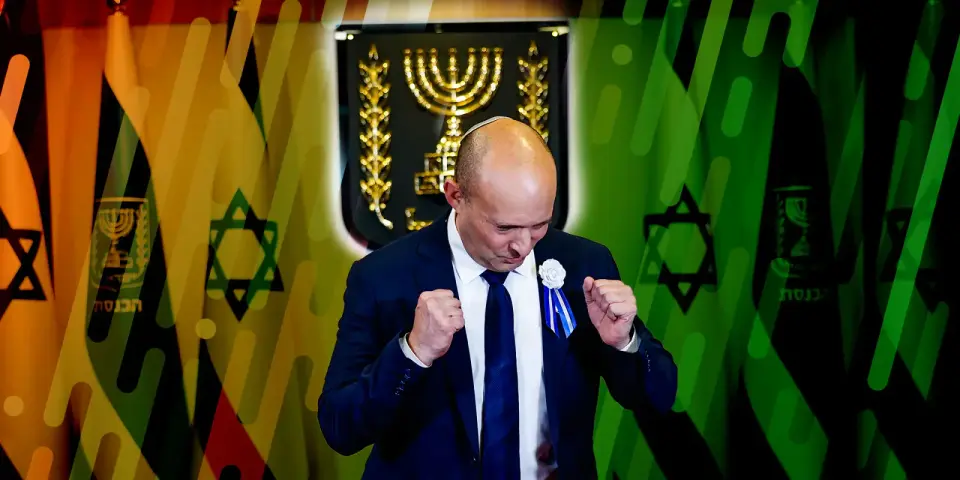
Naftali Bennett’s refusal to comment on ultra-Orthodox inclusion in the new government has created a rift within the anti-Netanyahu bloc. While Gadi Eisenkot and Avigdor Lieberman pursue a coalition with haredi parties, Bennett maintains silence despite submitting a bill to cut subsidies for non-serving households. Critics fear Bennett may prefer a new election over compromising his election promises, while Netanyahu attempts to sabotage the process to force another vote.
Key points
- Bennett’s silence on haredi inclusion contradicts his election promise to exclude ultra-Orthodox parties, raising doubts within the coalition bloc.
- Eisenkot and Lieberman disagree on timing and strategy for including Shas and United Torah Judaism in the government.
- Bennett’s party submitted a bill to redirect funds from non-serving households to IDF reservists, signaling a firm stance on military service.
- Netanyahu, weakened by a lack of reliable seats, is attempting to sabotage the coalition process to force a new election.
- Ultra-Orthodox leaders are weighing the risks of partnering with secularists, with some opposing the move due to religious and political convictions.
Background
Following the 2026 Israeli elections, the anti-Netanyahu bloc, led by Gadi Eisenkot, received the mandate to form a government. However, coalition talks have stalled due to disagreements over the inclusion of ultra-Orthodox parties, a key issue for Bennett’s party. Bennett’s silence on the matter has raised concerns within the bloc, while Netanyahu attempts to exploit the deadlock to force a new election. The situation reflects the deep religious-secular divide in Israeli politics and the challenges of forming a stable government.
How outlets are covering it
Israel Hayom highlights Bennett’s strategic silence as a tactic to avoid criticism while maintaining leverage, noting his lack of an alternative path to a right-wing government. The Times of Israel suggests Bennett is waiting for the right moment to emerge as a kingmaker, potentially bridging divides with Likud. Yahoo emphasizes the internal disagreements within the bloc, particularly over the timing and scope of haredi inclusion. Israel National News focuses on Bennett’s legislative actions, such as the servicemembers bill, as evidence of his commitment to his principles despite his silence.
Why it matters
The coalition crisis threatens to destabilize Israel’s government, potentially leading to a new election or a fragile coalition that fails to address key issues like military service and religious-secular relations. Bennett’s silence and the internal disagreements within the bloc could delay the formation of a government, while Netanyahu’s attempts to sabotage the process may prolong the political deadlock. The outcome will shape Israel’s political landscape and its ability to address domestic and international challenges.
What to watch
The next steps depend on whether Bennett will break his silence or continue to wait for the right moment. Eisenkot and Lieberman may need to reach a compromise on the timing and scope of haredi inclusion, while Netanyahu may attempt to further sabotage the process. The ultra-Orthodox parties will also play a crucial role, with some leaders opposing the move due to religious and political convictions. The outcome of these negotiations will determine whether a stable government is formed or if Israel heads to a new election.
- Behind Bennett's silence lie 4 problems. The fourth is especially serious www.israelhayom.com
- Eisenkot bloc leaders fear Bennett may prefer new elections over partnering with haredi parties Yahoo
- A kingmaker? Bennett waiting for right political moment as coalition talks snarl The Times of Israel
- Bennett's obstacle to negotiations with haredi parties Israel National News
- Bennett and the coalition: the former prime minister seeks a place in the new Knesset Aurora Israel
Want the full story? Read the original reporting
Read on www.israelhayom.com