
Caryle Murphy, Pulitzer-Winning War Correspondent and Lung Transplant Pioneer, Dies at 79
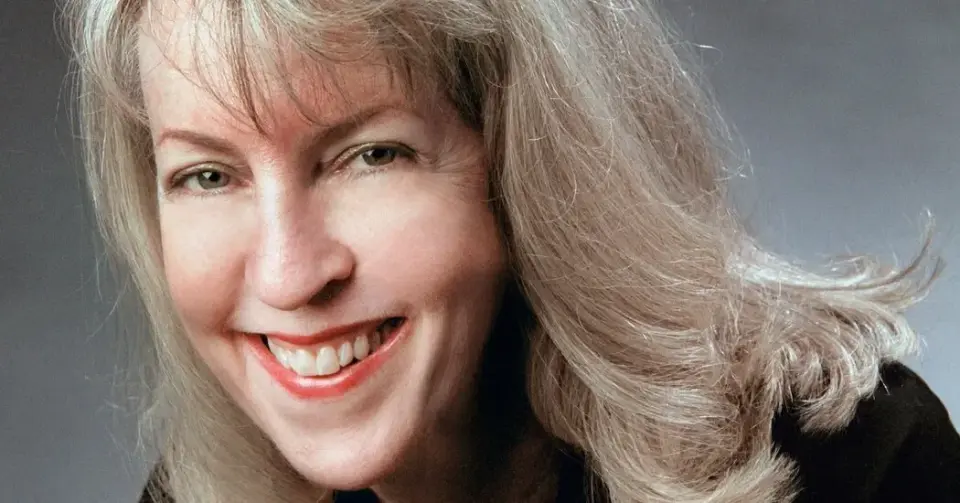
Caryle Murphy, the Washington Post correspondent who won a 1991 Pulitzer Prize for her coverage of Iraq’s invasion of Kuwait, has died at age 79. She also became the first patient to receive a perfused lung transplant in the US, surviving eight years after the procedure.
Key points
- Murphy died on October 19 in Fairfax County, Virginia, from viral pneumonia, according to her husband, Herbert Howe.
- She won the 1991 Pulitzer Prize for her month-long coverage of the 1990 Iraq-Kuwait conflict, which ended with her escape to Saudi Arabia.
- In 2015, she was diagnosed with pulmonary fibrosis and received a lung transplant in 2018 at Inova Fairfax Hospital.
- She was the first patient in the US to undergo a perfused lung transplant, a procedure that preserves donor organs outside the body before implantation.
- A public memorial mass is scheduled for November 16 at Holy Trinity Church in Washington, D.C.
Background
Murphy’s career included significant reporting in Africa; in the late 1960s, she taught at a girls’ high school in Kenya, and in the 1980s, her investigative work on Uganda was credited with helping protect civilians. Her 2018 lung transplant was a medical milestone, as she survived more than eight years post-operation, providing clinical data that helped refine lung preservation techniques.
How outlets are covering it
The New York Times focuses on her Pulitzer-winning war reporting and the cause of her death, noting her prior diagnosis of pulmonary fibrosis. The secondary source, Istituto Impariamo, emphasizes her broader humanitarian impact, specifically her 1980s reporting on Uganda that allegedly saved tens of thousands of lives, and highlights her status as a medical pioneer. While both confirm her death date and age, the secondary source provides more detail on the specific medical procedure (perfused transplant) and her advocacy for donor awareness, whereas the primary source concentrates on her journalistic assignment in the Middle East.
Why it matters
Murphy’s legacy bridges two critical fields: investigative journalism and medical innovation. Her reporting during the Gulf War set a standard for frontline coverage, while her survival after a pioneering lung transplant demonstrated the viability of advanced organ preservation techniques, influencing modern transplant surgery and public health advocacy.
What to watch
A memorial service will be held on November 16 at Holy Trinity Church in Washington, D.C., with a live stream available for remote attendees. Families have requested donations to the Pulmonary Fibrosis Foundation and the INOVA Schar Heart and Vascular Center to support ongoing research and care.
- Caryle Murphy Has Died. She Earned a Pulitzer for Reporting in Kuwait. The New York Times
- Caryle Murphy Obituary (11/16/1946 - 10/19/2026) - Washington, Dc, DC - The Washington Post Legacy | Obituary
- Caryle Murphy, who won the Pulitzer Prize reporting from Kuwait, dies at 79 The Washington Post
- The Pulitzer-Winning Reporter Who Defied Death in War Zones and Survived a Ground-Breaking Medical Miracle: Washington Post Icon Caryle Murphy Dies at 79 Istituto Impariamo
- Caryle Murphy, Pulitzer Prize-Winning Journalist, Dies at 79 Yahoo
Want the full story? Read the original reporting
Read on The New York Times