
Burnham Opens Door to EU Free Movement Debate Ahead of November Summit
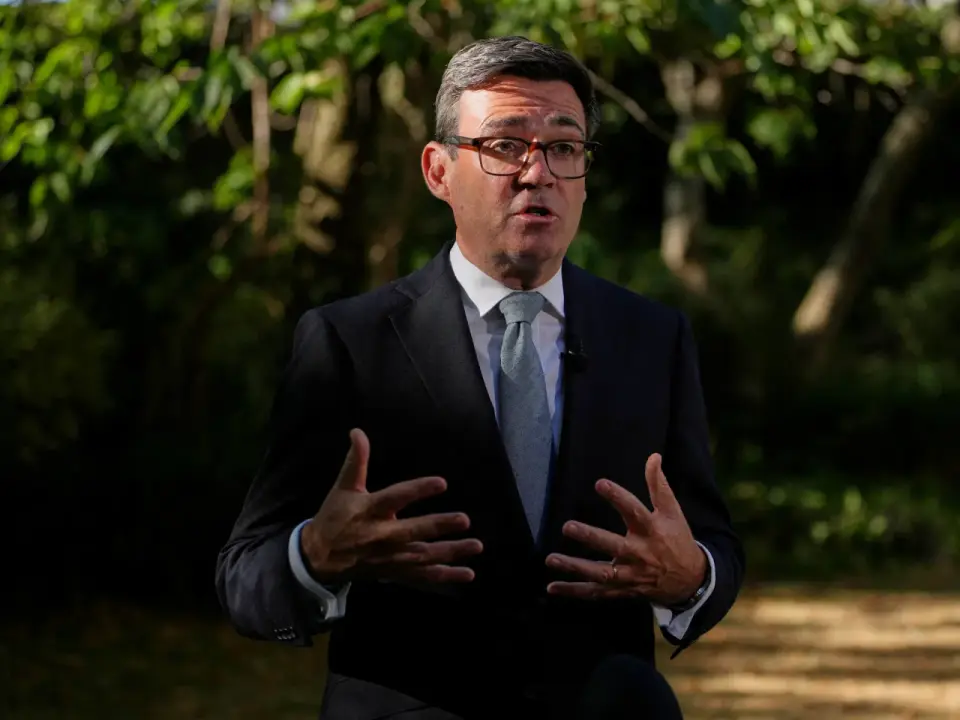
UK Prime Minister Andy Burnham has called for an 'honest discussion' about potentially returning to EU freedom of movement rules, marking a significant shift from previous Labour pledges. While acknowledging that pre-Brexit migration patterns differed from current challenges, Burnham argues that a broader reset of UK-EU relations, including single market access, could benefit the economy. The proposal has drawn sharp criticism from Conservative and Reform UK leaders, who view it as a betrayal of the 2016 referendum, while some Labour MPs warn it risks losing support in pro-Brexit constituencies. Burnham is expected to present these options at a UK-EU summit on November 20, though he has ruled out joining the euro or Schengen area.
Key points
- PM Burnham stated in an interview with The Sunday Times that the UK should debate returning to EU free movement, describing pre-Brexit 'revolving door' migration as less problematic than current non-EU immigration flows.
- Burnham indicated that rejoining the single market and accepting free movement could be achieved without a new referendum if included in a future Labour manifesto, whereas full EU membership would require a new in-out vote.
- Net migration to the UK fell to 171,000 in 2025, down from 331,000 the previous year, according to the Office for National Statistics, a drop not seen since the post-Brexit points-based system was introduced.
- Burnham is scheduled to meet EU officials at a summit on November 20 to discuss a reset of relations, including data sharing and migration policies, while explicitly ruling out joining the euro or Schengen.
- The proposal has sparked internal Labour tensions, with some 'red wall' MPs warning that debating free movement could jeopardize seats in pro-Brexit areas, while others like Angela Rayner support a pragmatic approach to securing the best deal for Britain.
Background
This development follows Burnham's recent statements that Brexit has done 'more harm than good' and his assertion that Russia interfered in the 2016 referendum, claims that have intensified debates about the UK's post-Brexit trajectory. Previous Labour pledges had ruled out returning to free movement or single market membership, but Burnham has signaled a willingness to reconsider these positions as part of a broader strategy to boost economic growth and address immigration challenges. The current debate comes amid rising public support for closer EU ties and concerns about the economic impact of reduced net migration on government revenues.
How outlets are covering it
Al Jazeera and The Guardian emphasize Burnham's framing of the issue as a pragmatic economic necessity, noting that pre-Brexit migration patterns were different from current challenges and that a closer EU relationship could help address labor shortages and boost growth. The BBC highlights the internal Labour divide, with Angela Rayner supporting the debate as a way to secure the best deal, while some backbenchers in pro-Brexit areas express concern about losing support. The Telegraph, though inaccessible, would likely focus on the political risks for Labour in key constituencies. Conservative leader Kemi Badenoch and Reform UK's Nigel Farage have strongly criticized Burnham's comments, with Badenoch calling it a 'foot-in-mouth syndrome' and Farage labeling it a 'total betrayal of Brexit Britain.' Jeremy Hunt, a former Conservative chancellor, warned that the debate is 'incredibly divisive' and that the current Brexit deal can still be made to work, while Liberal Democrat deputy leader Daisy Cooper supported the idea, arguing it would help with growth and tackle the small boats crisis.
Why it matters
Burnham's call for a debate on EU free movement marks a significant shift in UK-EU relations and could have major implications for the UK's economy, immigration policy, and political landscape. The issue is central to the 2016 Brexit referendum and remains a highly contentious topic, with potential to reshape the UK's relationship with the EU and influence the next general election. The debate also highlights the tension between economic pragmatism and political loyalty to the Brexit mandate, as well as the challenges of balancing immigration control with economic growth.
What to watch
Burnham is expected to present options for a reset of UK-EU relations at a summit on November 20, including discussions on data sharing, migration, and potential single market access. The outcome of this summit could influence the direction of UK-EU relations and the political debate ahead of the next general election, which is due by 2029. The internal Labour debate and public opinion on the issue will also be closely watched, as Burnham navigates the risks of losing support in pro-Brexit constituencies while pursuing a closer relationship with the EU.
- UK PM Burnham says he wants to discuss a return to EU freedom of movement Al Jazeera
- Burnham open to 'honest discussion' on EU free movement BBC
- Rayner backs Burnham call for debate on return to free movement with EU The Guardian
- Andy Burnham is open to adopting EU free movement The Times
- Rayner: We’ll ask voters to decide on freedom of movement The Telegraph
Want the full story? Read the original reporting
Read on Al Jazeera