
Beijing mandates drone surrender and buyback after fatal Citic Tower crash
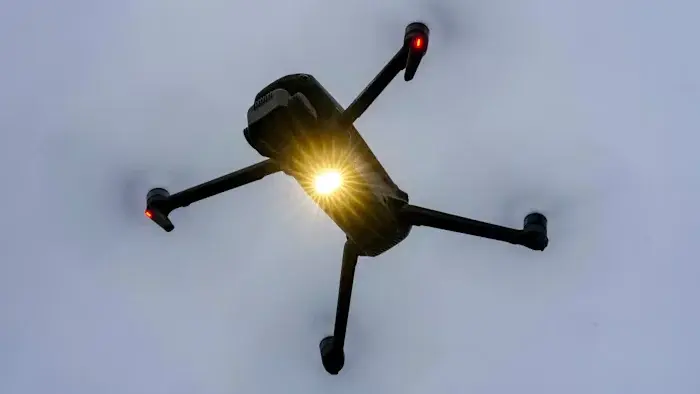
Beijing has introduced a mandatory drone buyback and removal scheme, effective November 15, following a fatal light aircraft crash into the Citic Tower in June. The government offers owners up to Rmb3,000 to surrender devices, with police enforcing strict patrols to ensure compliance within the restricted capital area.
Key points
- The new rules require all drone owners in Beijing to either sell their devices to the state for a maximum of Rmb3,000, dispose of them, or move them outside the restricted zone by November 15.
- The crackdown follows a June incident where a light aircraft struck the Citic Tower, killing the pilot and injuring 13 others, with the plane flying within 7km of the Zhongnanhai leadership compound.
- Police are conducting patrols and inspections to enforce the transfer of drones out of Beijing, with the state-run Beijing Daily confirming the crackdown on overdue transfers.
- While China remains the world’s largest producer of commercial drones, with Shenzhen-based DJI holding 70-80% of the global non-military market, authorities are tightening controls due to security concerns and the weaponization of drones in Ukraine.
- Residents report mixed reactions; some feel deceived by previous assurances of drone access, while others cite the inconvenience of annual police checks and political event restrictions as reasons to participate in the buyback.
Background
This move follows earlier Beijing announcements in September regarding a citywide possession ban and subsidy programs for drone disposal. The current policy escalates previous restrictions, which included a May sales ban and fines for noncompliance, reflecting a broader trend of tightening aerial security in the capital. The crackdown also aligns with global trends, such as bans in New York, though Beijing’s measures are expected to be more severe due to the proximity of critical government infrastructure.
Why it matters
The policy signals a significant shift in China’s approach to its 'low-altitude economy,' prioritizing national security and urban safety over commercial drone expansion. It highlights the tension between technological innovation and state control, particularly in the capital, where security protocols are at their most stringent. The buyback scheme also serves as a model for managing the transition from permissive to restrictive drone regulations in major urban centers.
What to watch
Authorities will monitor compliance through patrols and inspections, with potential penalties for those who fail to remove drones by the November 15 deadline. The long-term impact on China’s drone industry and the 'low-altitude economy' remains to be seen, as the country balances security needs with its status as a global leader in commercial drone production.
Want the full story? Read the original reporting
Read on Financial Times