
EU Lawmakers Demand Commission Invoke Blocking Statute to Shield ICC from US Sanctions
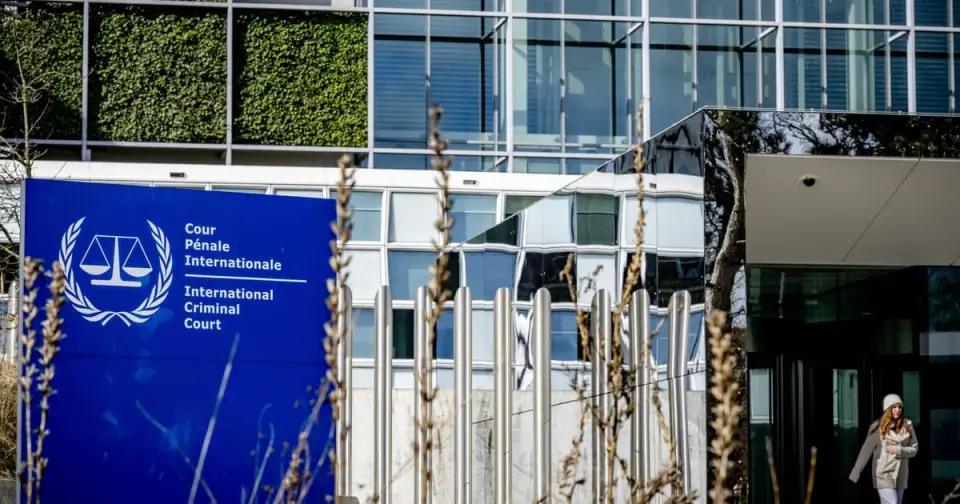
Fifty-eight European Parliament members have formally urged Commission President Ursula von der Leyen to activate the EU Blocking Statute to protect the International Criminal Court from US financial sanctions. The lawmakers argue that Washington's measures, which risk cutting off the Hague-based tribunal from the dollar system and tech services, constitute an attack on EU territory. While the US administration has imposed a 180-day grace period for companies to wind down ties, EU diplomats are seeking pragmatic solutions to maintain operations, and the Commission is expected to respond to the pressure to defend the court's viability.
Key points
- 58 MEPs, led by Aurore Lalucq and Dirk Gotink, sent a letter to Ursula von der Leyen demanding the use of all available instruments to protect the ICC.
- The letter describes US sanctions as an attack by a foreign power on an entity located on EU territory, utilizing the EU's own financial system.
- US sanctions announced on Friday threaten to cut off the ICC from the global financial system and majority tech providers, following earlier penalties against individual judges.
- Lawmakers requested the activation of the Blocking Statute to prevent EU firms from complying with US sanctions once the 180-day grace period expires.
- EU foreign affairs ministers agreed in Luxembourg to seek pragmatic solutions allowing firms to continue working with the Court, though MEPs called for a fiercer reaction.
Background
This escalation follows a series of US actions against the ICC since September 2026, including sanctions on individual judges from France, Italy, and Slovenia, and broader measures targeting the institution itself. The Hague-based court had already begun migrating to European financial and software alternatives to mitigate potential penalties. The current crisis intensified after the US imposed sweeping sanctions on the ICC shortly after the Nobel Peace Prize was awarded to former ICC judge Navi Pillay, a move the US administration framed as a response to a 'rogue' court, while European allies condemned it as an assault on international law.
How outlets are covering it
POLITICO highlights the legal and diplomatic maneuvering within the EU, emphasizing the call to invoke the Blocking Statute and the tension between the Commission's pragmatic approach and the Parliament's demand for a 'clear line' against the US. The Guardian provides a broader geopolitical perspective, framing the US sanctions as part of a wider assault on the rule of law by the Trump administration, linking the ICC crisis to other US foreign policy moves such as the Russia diesel deal and conflicts in the Middle East. The secondary source from Democracy for the Arab World Now appears to be a technical error page or navigation menu rather than a news article, offering no substantive content on the story.
Why it matters
The outcome of this standoff will determine the financial viability of the International Criminal Court and the extent of EU autonomy in resisting US extraterritorial sanctions. If the EU fails to shield the ICC, it could set a precedent for US pressure on other international institutions, undermining the credibility of European values and the global rule of law. The situation also tests the limits of EU-US cooperation and the effectiveness of the EU's legal tools in protecting its institutions from foreign interference.
What to watch
The European Commission is expected to respond to the MEPs' letter and decide whether to activate the Blocking Statute. EU diplomats will continue to negotiate pragmatic solutions to allow firms to maintain ties with the ICC during the 180-day grace period. The US administration's stance, including Secretary of State Marco Rubio's warning that the ICC must end its threats or face further action, will likely remain a key factor in the coming months.
- ‘A foreign attack on EU territory’: MEPs call EU to shield ICC from US sanctions POLITICO.eu
- Judge Blocks Trump Administration’s Sanctions on 2 Groups Aiding the I.C.C. The New York Times
- U.S. Court Blocks Enforcement of ICC Sanctions against Groups Advocating for Palestinian Rights Democracy for the Arab World Now
- US should become rights defender once more, Nobel peace laureate Pillay says Reuters
- The Guardian view on the US, Russia and the international criminal court: Trump’s assault on the rule of law intensifies The Guardian
Want the full story? Read the original reporting
Read on POLITICO.eu