
Japan’s New Residency Rules Spark Anxiety and Economic Debate
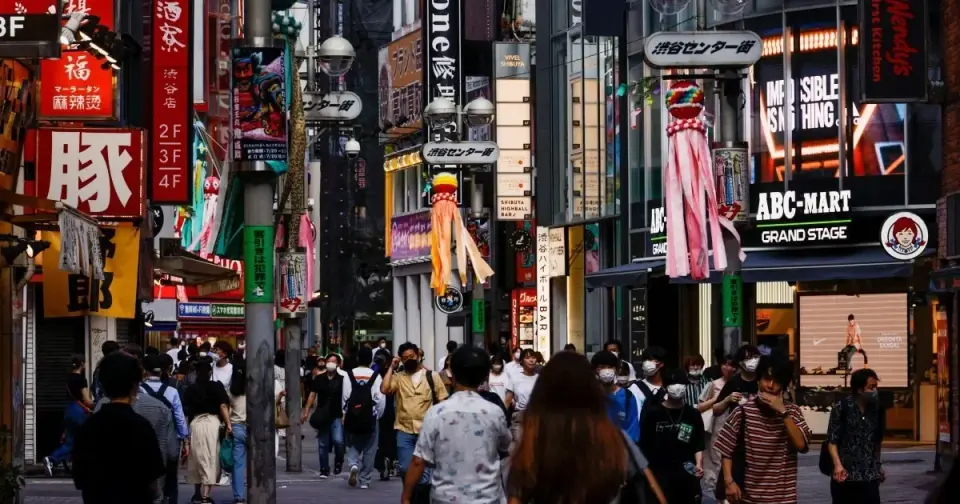
Japan is implementing stricter permanent residency requirements starting October 1, 2026, including higher income thresholds, language proficiency tests, and a ten-year naturalization wait. These changes, driven by rising anti-foreigner sentiment and a rightward political shift, contradict the country’s acute need for foreign labor to offset a shrinking population. While public opposition to immigration has surged, economic data shows foreign workers are essential to sectors like manufacturing and care, creating a policy paradox.
Key points
- New rules effective October 1, 2026, require permanent residency applicants to exceed average household income, prove Japanese language proficiency, and hold a pension equivalent to 30 years of payouts.
- The application fee for permanent residency is rising from 10,000 yen to 200,000 yen, and the minimum residence period for naturalization is increasing from five to ten years.
- Foreign resident population reached a record 4.12 million (3% of total) by end of 2025, while the Japanese national population dropped by over 900,000 between 2025 and 2026.
- Public opposition to accepting more foreigners rose to 56.3% in a 2026 survey, up from 35.6% in 2024, coinciding with the rise of the far-right Sanseito party.
- Economic data shows foreign workers account for 5.5% of cleared non-traffic crimes, a figure that has halved since 2005 despite a doubling of the foreign population, contradicting safety concerns.
Background
This development follows earlier reports in September 2026 regarding Japan’s visa crackdown, which highlighted growing anxiety among foreign residents due to higher fees and stricter requirements. The current policy shift occurs amidst a broader rightward political trend, including Prime Minister Sanae Takaichi’s coalition with the Japan Innovation Party, which pledged to address 'social friction' from foreign populations. While previous coverage focused on the immediate impact on workers, the new rules represent a structural change in long-term settlement criteria, reflecting a tension between demographic necessity and nationalist sentiment.
How outlets are covering it
Al Jazeera emphasizes the human impact, highlighting the uncertainty faced by long-term residents like Abdul and Sarah Nelkin, who fear rejection or the loss of dual citizenship. The Japan Times frames the issue as a 'selective era' for foreign residents, noting the outrage among those who have integrated into Japanese society. The Economy Editorial Board argues that the anti-foreigner sentiment defies economic logic, pointing out that Japan’s labor shortages in manufacturing and care sectors make foreign workers indispensable. While Al Jazeera and The Japan Times focus on the social and political climate, The Economy highlights the contradiction between the rising hostility and the demographic reality that requires foreign labor to sustain the economy. All sources agree that the policy shift is driven by a combination of political hardening and public opinion, but they differ on the primary driver: Al Jazeera and The Japan Times emphasize cultural and political shifts, while The Economy attributes the backlash to economic anxiety and inflation rather than genuine labor competition.
Why it matters
The new residency rules could reduce Japan’s attractiveness to foreign workers, exacerbating labor shortages in critical sectors. As the population shrinks and the birthrate remains at rock-bottom levels, Japan faces a demographic crisis that requires foreign labor to maintain economic stability. The policy shift may lead to a brain drain, as skilled workers like Abdul and Nelkin consider leaving, potentially undermining Japan’s economic competitiveness. Additionally, the rising anti-foreigner sentiment could impact tourism and international relations, as seen in the implementation of double pricing for foreign visitors at tourist sites. The tension between demographic necessity and political ideology poses a significant challenge for Japan’s future, requiring a balance between maintaining social cohesion and addressing labor shortages.
What to watch
The new residency rules will take effect in phases starting October 1, 2026, with retroactive application for those who applied since April. The government will monitor the impact on foreign worker retention and labor shortages, potentially adjusting policies if the economic consequences are severe. Public opinion may continue to shift, especially if economic pressures ease or if the government implements measures to address inflation and wage stagnation. The far-right Sanseito party may push for further restrictions, including caps on foreign resident percentages, while the LDP may face pressure to balance its hardline stance with the need for foreign labor. The outcome will depend on whether Japan can decouple economic necessity from political rhetoric, ensuring that foreign workers are seen as assets rather than threats.
- Japan moves to tighten rules for foreigners, throwing futures into doubt aljazeera.com
- Kenyans in Japan face sharp rise in immigration fees from October The Kenyan Diaspora Media
- Japan raises the bar on residency. Cue the outrage. The Japan Times
- Japan's Stricter Visa Rules Drive Foreign Business Owners to Exit - ROIC Trend Report careplusvn.com
- Anti-Foreigner Sentiment in Japan Defies Economic Logic economy.ac
Want the full story? Read the original reporting
Read on aljazeera.com