
WWF Report: 73% Wildlife Decline Since 1970, Yet Tiger and Turtle Recoveries Offer Hope
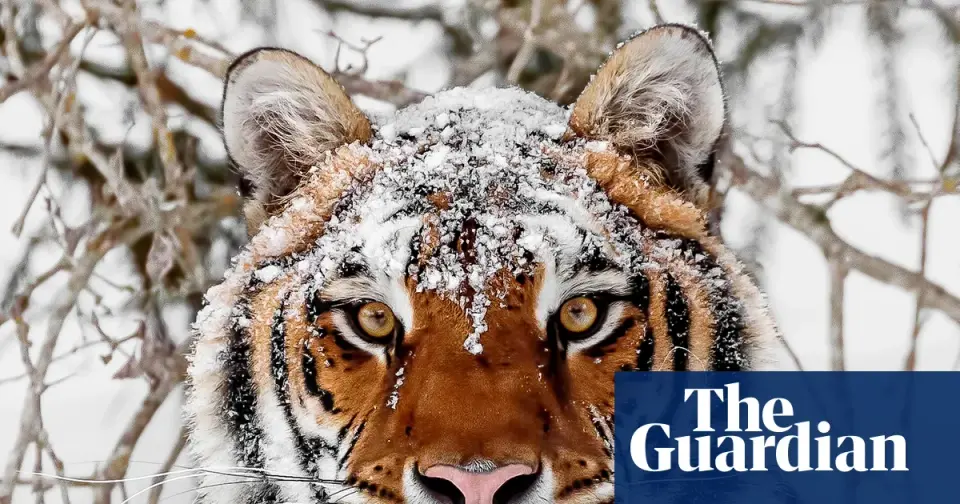
The World Wildlife Fund's 2026 Living Planet Report reveals a 73% average decline in monitored wildlife populations since 1970, with freshwater species suffering the most. However, the report highlights successful recoveries for tigers, green sea turtles, and bluefin tuna, proving that targeted conservation can reverse losses. Experts warn that without transforming food production systems, biodiversity collapse remains a threat to global economic stability.
Key points
- Global vertebrate populations have declined by an average of 73% since 1970, with freshwater species dropping 85% and land species 69%.
- Wild tiger populations have increased by over 70% to approximately 5,700, while green sea turtles were downlisted from 'endangered' to 'least concern' in 2025.
- Latin America and the Caribbean saw the steepest declines at 95%, compared to 23% in Europe and Central Asia.
- The report identifies agriculture as the primary driver of habitat loss, accounting for nearly 90% of global deforestation.
- Approximately 50% of monitored populations are now stable or increasing, suggesting that conservation interventions can yield positive results.
Background
This report follows recent concerns about Antarctic ice loss and deep-sea ecological shifts, underscoring the broader urgency of biodiversity conservation. While previous archive items highlighted specific predation events and ice sheet dynamics, the current report provides a comprehensive global assessment of vertebrate trends, emphasizing that while losses are severe, recovery is possible with sustained action.
How outlets are covering it
The Guardian and The Times of India both emphasize the stark 73% decline but highlight different regional and species-specific successes. The Guardian focuses on the economic implications, noting that half of global GDP depends on nature, while The Times of India highlights India's role in recovering tiger and rhino populations. RFI provides a ground-level perspective from Malaysia, detailing local conservation efforts for green turtles, such as egg relocation and genetic research, which contributed to the species' global status change. All sources agree that while the overall trend is negative, specific recoveries demonstrate that conservation can work, though they differ on the urgency of addressing food production systems.
Why it matters
The report underscores that biodiversity loss is not just an environmental issue but a direct threat to economic stability and human wellbeing. With half of global GDP dependent on ecosystem services, the failure to address habitat loss and overexploitation could lead to irreversible ecological tipping points. The recoveries of tigers and turtles offer a model for how targeted interventions can reverse declines, but experts warn that without transforming agriculture and energy systems, the overall trend of biodiversity loss will continue.
What to watch
The next step is for governments and industries to prioritize sustainable food production and energy transitions to prevent further biodiversity loss. Conservation efforts will need to expand to address the root causes of habitat degradation, including agricultural expansion and climate change. Additionally, continued monitoring and genetic research, as seen with green turtles, will be crucial for tracking population trends and informing policy decisions.
- World must change way it produces food to avoid biodiversity collapse, says WWF The Guardian
- Populations of wild species fell by an average of 73% from 1970 to 2022, WWF says Yahoo
- Stark 73% decline in the average size of monitored wildlife populations since 1970, India presents ground for hope: WWF Living Planet Report The Times of India
- Living Planet Report 2026 – The Science of Hope WWF EU
- As species decline, green turtles offer glimmer of hope RFI
Want the full story? Read the original reporting
Read on The Guardian