
Mia Latter Waives Anonymity to Demand UK Age-of-Consent Reform After Brand Conviction
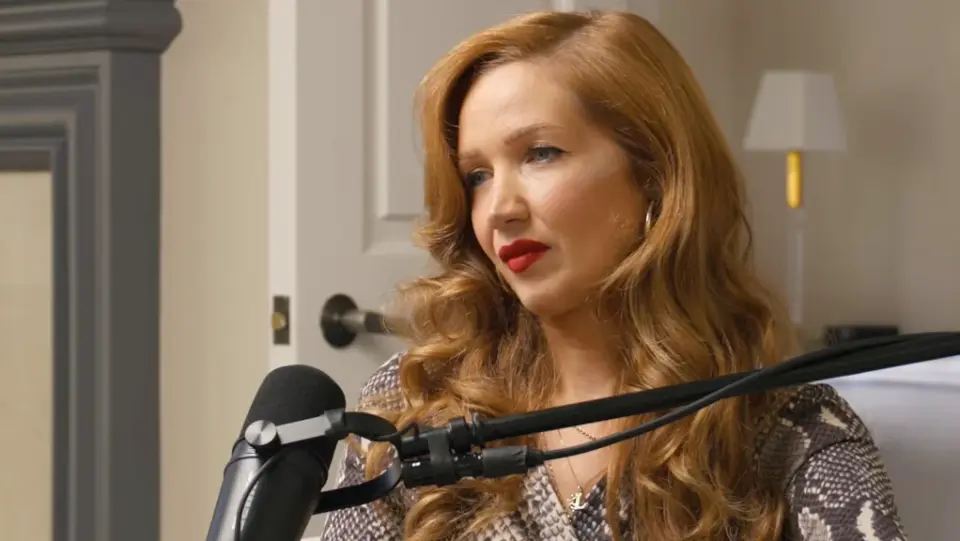
Mia Latter, a former accuser of Russell Brand, has waived her legal anonymity to allege she was raped by the comedian in 2006 when she was 16. Her public testimony has triggered a UK government review of the age of consent, with officials considering a 'staggered' model that would criminalize sexual relationships between adults and minors under 18. While Brand has been convicted and sentenced to 10.5 years in prison for other offenses, Latter’s specific case was excluded from the trial, and Metropolitan Police investigations into her allegations remain ongoing.
Key points
- Mia Latter, now 37, waived anonymity to allege Russell Brand orally raped her in 2006 when she was 16 and he was 30.
- Latter is campaigning for a 'staggered' age of consent in the UK, which would make sexual relationships between adults and 16- or 17-year-olds illegal while preserving consent for peers.
- De facto deputy PM Louise Haigh and Work and Pensions Secretary Pat McFadden confirmed the government will consider the legal change following Latter’s testimony.
- Brand was sentenced to 10 years and six months in prison on November 10, 2026, for one count of rape and three counts of sexual assault involving four other women.
- Latter’s case was excluded from Brand’s trial by the Crown Prosecution Service, and the Metropolitan Police are currently investigating her specific allegations of rape.
- The debate coincides with new sexual misconduct allegations against comedian David Walliams, prompting calls to ban non-disclosure agreements in harassment cases.
Background
Russell Brand was convicted at London’s Southwark Crown Court in November 2026 for sexual offenses committed between 2004 and 2009. He has consistently denied wrongdoing, previously describing his behavior as 'awful but lawful.' In 2023, six women, including Latter (then known as 'Alice'), made allegations against him, but none were included as complainants in the recent criminal trial. Latter’s case was excluded by the Crown Prosecution Service, partly due to Brand’s public admissions of 'manipulated consent' on The Megyn Kelly Show, which prosecutors deemed distracting. Latter has since expressed anger at media organizations that supported Brand and has focused her campaign on legal reform rather than personal vindication.
How outlets are covering it
Deadline emphasizes Latter’s personal narrative and her frustration with media complicity, highlighting her allegation that Brand forced oral sex on her despite her resistance. The Guardian focuses on the political response, noting that Louise Haigh and Liberal Democrat Jess Brown-Fuller support reviewing the age of consent, while also linking the issue to potential bans on non-disclosure agreements in sexual harassment cases. The BBC highlights the broader policy debate, with Pat McFadden stating the issue is 'up in lights' and Anna Edmundson of the NSPCC arguing that current laws fail to protect 16- and 17-year-olds from grooming by adults in positions of power. All sources agree on the facts of Brand’s conviction and Latter’s waiver of anonymity, but differ in emphasis: Deadline centers on the victim’s testimony, The Guardian on legislative reform, and the BBC on the political and social implications of the age gap.
Why it matters
Latter’s decision to waive anonymity has shifted the conversation from criminal prosecution to legislative reform, potentially leading to a change in UK law that would criminalize sexual relationships between adults and minors under 18. This could impact how future cases involving age disparities are handled and may influence the treatment of non-disclosure agreements in sexual misconduct cases. The ongoing Metropolitan Police investigation into Latter’s specific allegations also underscores the challenges victims face when their cases are excluded from broader trials, highlighting gaps in the justice system's response to historical sexual offenses.
What to watch
The UK government will formally discuss the introduction of a staggered age of consent, with no timeline or conclusion yet announced. The Metropolitan Police will continue investigating Latter’s allegations of rape, with the Crown Prosecution Service to determine if a charging decision can be made. The debate may also extend to banning non-disclosure agreements in cases of sexual harassment and discrimination, particularly in light of the new allegations against David Walliams.
- Russell Brand Accuser Waives Anonymity, Alleging She Was Raped By Star At Age Of 16 Deadline
- Russell Brand accuser waives anonymity to call for consent law change The Guardian
- Age of consent: Pat McFadden says changes to law will be 'discussed' after Brand allegations BBC
- Russell Brand was 30. I was 16. He called me ‘the child’ The Times
- Russell Brand 'forced' girl, 16, against headboard and orally raped her Daily Star
Want the full story? Read the original reporting
Read on Deadline