
Xi pledges market openness at APEC as Trump arrives in Shenzhen for historic trilateral talks
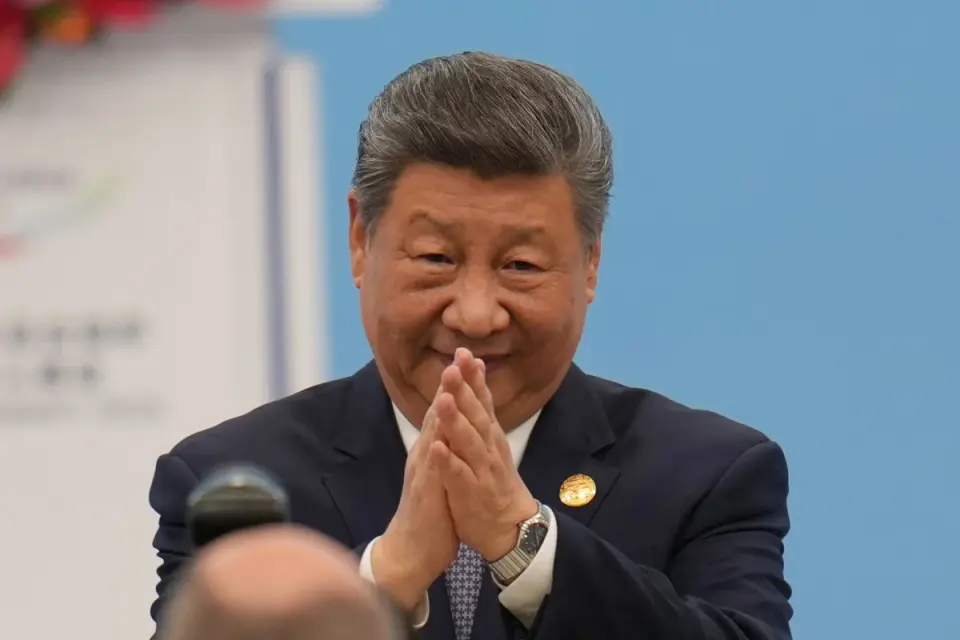
Chinese President Xi Jinping urged Asia-Pacific leaders to pursue open trade and equitable growth at the APEC summit in Shenzhen, contrasting his stance with U.S. protectionism. U.S. President Donald Trump arrived for the summit, where he is scheduled to hold the first-ever trilateral meeting with Xi and Russian President Vladimir Putin. While Xi promised deeper market access and regulatory reforms, he avoided directly criticizing U.S. tech restrictions, framing China as a partner in global development despite domestic economic pressures.
Key points
- Xi Jinping told business executives in Shenzhen that the Asia-Pacific region must embrace open trade and equitable growth to maintain stability, promising to cut tariffs and reform regulations in challenging areas.
- U.S. President Donald Trump arrived in Shenzhen from the Philippines, where he attended the ASEAN summit, to join the APEC leaders’ summit and a planned trilateral meeting with Xi and Putin.
- Xi’s speech emphasized China’s role in global economic stability and technology development, deliberately avoiding direct criticism of U.S. export controls on advanced chips, according to analyst George Chen.
- Canadian Prime Minister Mark Carney and Malaysian Prime Minister Anwar Ibrahim joined Xi in calling for fair trade, with Carney noting Canada’s shift toward stronger ties with China and the EU amid U.S. tensions.
- Russian President Vladimir Putin criticized Western sanctions as outdated and expressed interest in closer Asia-Pacific ties, noting the region accounts for over half of Russia’s trade.
Background
This summit follows a period of heightened geopolitical tension, including the expiration of the U.S.-Russia nuclear arms treaty in February 2026 and recent midterm election setbacks for Trump’s party in the U.S. Earlier coverage noted skepticism about the substantive outcomes of Trump’s Asian tour and highlighted the contrast between Shenzhen’s polished technological showcase and China’s underlying economic struggles, such as a property market slump and slowing domestic investment. The upcoming trilateral meeting between the leaders of the world’s three largest nuclear powers is expected to focus on nuclear arms reductions and regional stability, though officials have cautioned that no formal agreements are anticipated at this stage.
Why it matters
The APEC summit serves as a critical forum for 21 economies that account for 60% of global economic activity. The divergent approaches of China and the U.S. on trade and technology highlight a growing rift in the global economic order. Xi’s pledge to open markets aims to counter U.S. protectionism and secure global investment, while Trump’s presence signals a continued focus on bilateral leverage. The outcome of these discussions will influence future trade policies, technological cooperation, and geopolitical alignments in the Asia-Pacific region, potentially reshaping global supply chains and economic partnerships.
What to watch
Leaders will meet behind closed doors on Thursday to finalize consensus on cooperation, while the trilateral meeting between Trump, Xi, and Putin is expected to take place on the sidelines. The outcome of these talks will determine whether the APEC region can maintain stability and dynamism amid increasing global uncertainty. Future developments may include shifts in trade policies, potential extensions of the U.S.-China trade truce, and changes in economic alliances as countries like Canada and Malaysia seek to diversify their partnerships in response to U.S. trade barriers.
Want the full story? Read the original reporting
Read on AP News