
Faber Halts UK Sales of Sally Rooney’s Novels Due to Terrorism Law Conflict
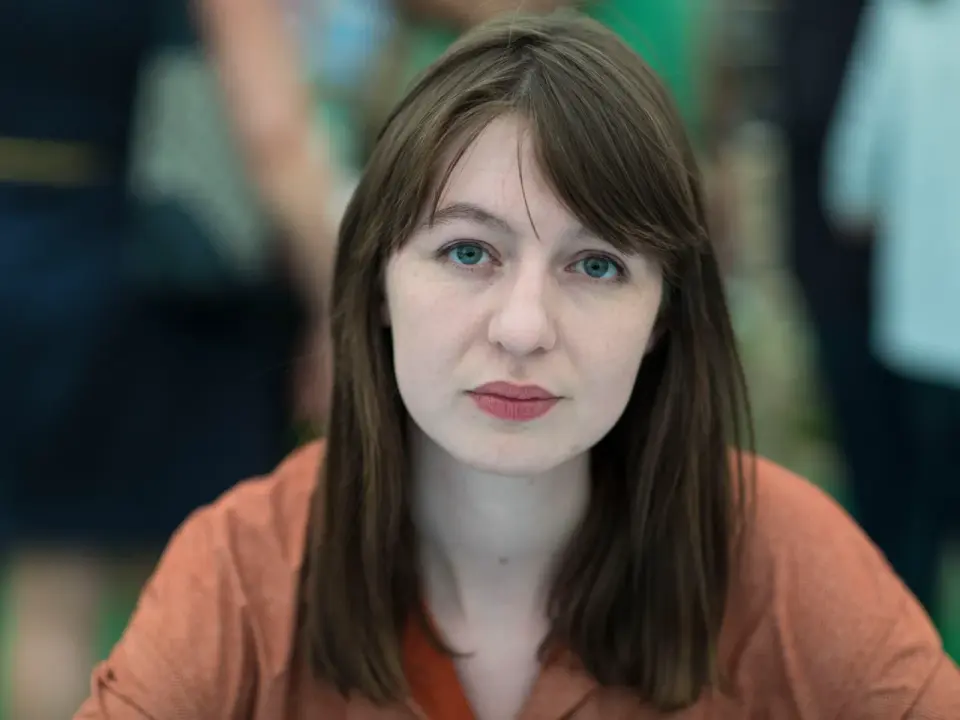
Irish novelist Sally Rooney’s books are no longer being supplied to UK retailers by her publisher, Faber, because Rooney pledged to donate royalties to Palestine Action, a group designated as a terrorist organization in Britain. The withdrawal, announced on October 15, 2026, stems from UK legislation that prohibits passing funds to proscribed groups. While physical copies remain on shelves, new sales and digital editions have been removed. The move has sparked debate over free speech and the application of terrorism laws to protest groups.
Key points
- Faber announced the withdrawal of Rooney’s books from UK sale on October 15, 2026, citing legal constraints.
- Rooney pledged to donate royalties from her novels and adaptations to Palestine Action, a group banned in the UK in July 2025.
- UK law makes it a criminal offense to support proscribed groups, with penalties up to 14 years in prison.
- Ebook editions have been removed, but physical copies remain available in shops due to existing stock.
- The UK Supreme Court is expected to hear an appeal against the ban on Palestine Action in November 2026.
Background
This development follows the UK government’s designation of Palestine Action as a terrorist organization in July 2025, after the group spray-painted aircraft at RAF Brize Norton. Rooney had previously avoided traveling to the UK in September 2025 due to fears of arrest. The current situation escalates the legal and cultural tensions surrounding the group’s proscription, which has already led to over 3,000 arrests for peaceful protest.
How outlets are covering it
The New York Times emphasizes the legal risk to Faber, noting that paying royalties could violate the Terrorism Act. The Guardian frames Rooney’s decision as a 'brave and humane' stand against authoritarian legislation, highlighting the absurdity of equating her with violent extremists. Al Jazeera focuses on the practical impact, noting that while ebooks are gone, physical copies remain. AP News reports the withdrawal as a direct consequence of Rooney’s public pledge, without editorializing on the legality of the ban. All sources agree on the core facts but differ in tone, with The Guardian being most critical of the UK government’s actions.
Why it matters
This case tests the limits of free speech and artistic expression under UK terrorism laws. It highlights the chilling effect of proscribing groups that engage in property damage rather than violence against people. The outcome may influence how other artists and activists navigate political expression in the UK, and the pending Supreme Court ruling could redefine the boundaries of protest and support for proscribed organizations.
What to watch
The UK Supreme Court is expected to hear the appeal against the ban on Palestine Action in November 2026. If the ban is overturned, Faber may resume UK sales. If upheld, Rooney’s books will likely remain unavailable in the UK. The case will also influence public debate on the use of terrorism legislation for protest groups.
- Sally Rooney books withdrawn from sale in UK over Palestine Action support Al Jazeera
- Sally Rooney Withdraws Her Books From UK Over Her Support of Palestine Action The New York Times
- Sally Rooney’s stand on Palestine is brave and humane The Guardian
- Faber Halts Sally Rooney’s U.K. Sales, Citing Counterterrorism Law Publishers Weekly
- UK bookstores scramble as Sally Rooney's novels are withdrawn because she supports Palestine Action AP News
Want the full story? Read the original reporting
Read on Al Jazeera