
UK Welfare Exploitation: BBC Exposes 'Cash Cow' Housing Scandal in Birmingham
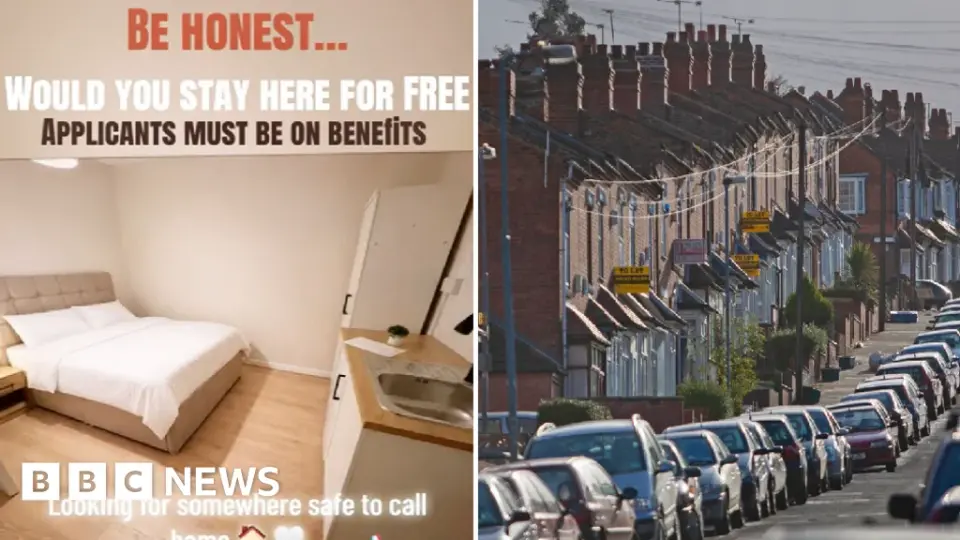
A BBC Panorama investigation reveals that private companies are exploiting the UK's supported exempt accommodation (SEA) system, particularly in Birmingham, by using vulnerable residents as 'cash cows' to generate profits. While the system is designed to provide housing and support for individuals with additional needs, such as former prisoners or domestic abuse survivors, many providers are failing to deliver adequate care. The DWP paid £410m for SEA in Birmingham alone last year, a city that hosts over 34,000 residents in such housing, far exceeding London's numbers despite its smaller population. Investigations found that some agents claim benefits for 'ghost tenants' who do not actually live in the properties, while others trap residents in a cycle where working leads to the loss of housing support. Despite regulatory failures, five of the six largest providers in Birmingham are deemed non-compliant, yet continue to receive funding.
Key points
- The supported exempt accommodation (SEA) system is being exploited by private companies that receive housing benefits from the Department for Work and Pensions (DWP) but fail to provide required support to residents.
- Birmingham is the epicenter of this issue, with over 34,000 people living in SEA and receiving £410m in DWP payments last year, compared to London's 22,000 residents.
- Investigations found evidence of 'ghost tenants,' where agents claim benefits for individuals who do not live in the properties, often using social media ads to recruit vulnerable people.
- One major provider, Windrush Alliance, wrote off £1.8m due to payments to former directors, while another, Dawson Housing, faced allegations of poor support despite receiving £23,000 annually per resident.
- Regulatory efforts have stalled; a 2023 bill to strengthen oversight is still in consultation, and five of the six largest Birmingham providers are non-compliant but remain operational.
- Residents like Alysha and Brian Edwards report being trapped in housing where working leads to loss of benefits, while others receive no support despite paying enhanced housing costs.
Background
This story follows earlier BBC coverage of housing and welfare issues, including a 2026 report on the cost of housing homeless families in England. The current investigation highlights systemic failures in the supported exempt accommodation sector, which has been criticized for poor oversight and exploitation of vulnerable populations. Previous archive items on housing and welfare, such as the 2026-10-14 report on furniture poverty, underscore the broader challenges facing UK social support systems.
Why it matters
The exploitation of the SEA system undermines the integrity of UK welfare programs, diverting public funds from vulnerable individuals to private profit. With Birmingham alone receiving £410m in DWP payments, the financial impact is significant, and the lack of effective regulation risks further abuse. The scandal highlights the need for stricter oversight and enforcement to ensure that housing benefits are used for their intended purpose: supporting those in need.
What to watch
The Regulator of Social Housing has announced action to close one non-compliant provider, Concept Housing Association, but broader regulatory reforms remain stalled. The government is working to implement measures to raise standards, but residents and charities call for immediate action to address fraud and poor provision. The outcome of ongoing consultations on the 2023 bill will determine whether meaningful changes are made to the sector.
Want the full story? Read the original reporting
Read on BBC