
Russian Industry Demands State Support as Drone Strikes Expose Air Defense Gaps
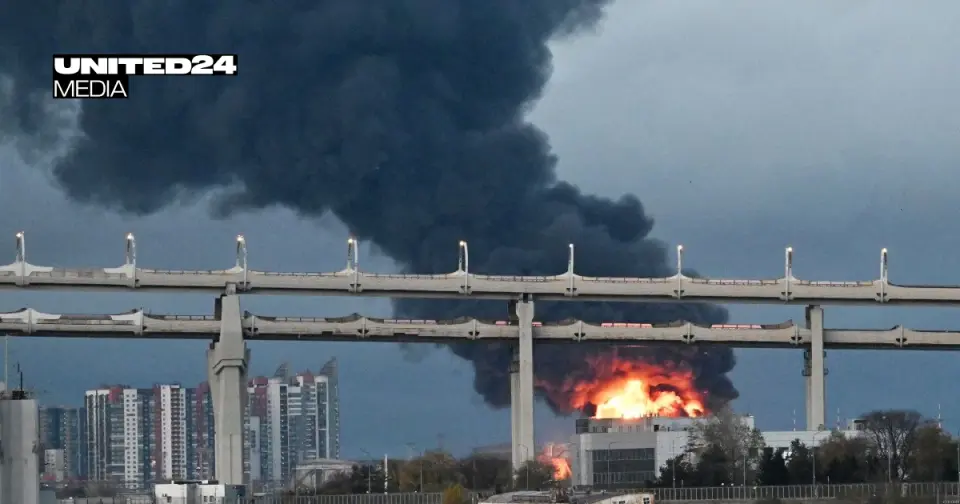
Russian officials and business leaders admit that current air defenses cannot fully protect industrial infrastructure from Ukrainian drone strikes. While Moscow has shifted the burden of protection to the private sector, companies are now demanding state insurance and tax incentives to manage the rising costs of defense and reconstruction.
Key points
- Ukrainian drone attacks on Russian energy and commercial infrastructure have intensified throughout 2026, leading to fuel shortages and strict purchase limits in cities like St. Petersburg and Dagestan.
- President Vladimir Putin signed a decree in August 2026 requiring private companies to fund their own security measures, with the state threatening temporary management for non-compliance.
- Alexander Shokhin, head of the Russian Union of Industrialists and Entrepreneurs, argued that military risks are uninsurable by the market and proposed tax deductions and state reinsurance to support private investment in defense.
- The Russian Finance Ministry has suggested tax breaks for facility defense and reconstruction, potentially offsetting costs through increased taxes on passive income and foreign online shopping.
- Disrupted Russian fuel supplies have impacted allied nations, with Tajikistan and Kazakhstan facing shortages that are straining their diplomatic neutrality.
Background
This development follows a series of escalations in the air war. In late September 2026, Ukrainian forces intercepted a high-speed Russian Geran-5 drone, highlighting the technological race in the conflict. Earlier in October, reports indicated that Moscow had rapidly constructed a massive drone launch base in the Rostov region to overwhelm Ukrainian defenses. The current situation reflects a shift from state-led defense to a privatized model, as the Kremlin attempts to offload the financial burden of protecting critical infrastructure onto the private sector.
How outlets are covering it
United24 Media highlights the fundamental failure of Russian air defenses to shield its industrial empire, emphasizing the vulnerability of vast territories. In contrast, the Bloomsbury Intelligence and Security Institute (BISI) focuses on the economic ripple effects, noting that while private defense spending has increased sixfold, current measures like net launchers are ineffective against heavy UAVs. BISI also points out that the financial strain is affecting Russia's allies, such as Kazakhstan and Tajikistan, who are facing fuel shortages. www1.ru and Voennoe Delo provide a more business-centric perspective, reporting that the Russian Union of Industrialists and Entrepreneurs (RUIE) is actively lobbying for legislative changes. They emphasize that companies view military risks as a new, uninsurable category that requires state intervention through the National Reinsurance Company, rather than just tax breaks. While BISI suggests the Kremlin is shifting the burden to the private sector, the business-focused outlets argue that the private sector is now pushing back, demanding a shared risk model to survive the ongoing attacks.
Why it matters
The inability of the Russian state to protect its own industrial base signals a significant shift in the war's economic impact. By forcing private companies to fund their own defense, Moscow risks destabilizing its domestic economy and alienating key allies who depend on Russian energy exports. The demand for state insurance and tax incentives indicates that the private sector is reaching the limits of its capacity to absorb the costs of the conflict, potentially leading to broader economic disruptions and a re-evaluation of Russia's strategic posture.
What to watch
Expect the Russian State Duma to debate legislative amendments that equate military risks with terrorist risks for insurance purposes. The Finance Ministry may finalize tax policies to offset the costs of private defense spending, potentially increasing taxes on passive income. Additionally, look for continued diplomatic pressure from Central Asian allies like Kazakhstan and Tajikistan as fuel shortages persist, potentially influencing their neutrality in the conflict.
- Russia Admits Its Air Defenses Cannot Shield Vast Industrial Empire From Ukrainian Drone Strikes UNITED24 Media
- No Safety in Russian Skies and Firing Pistols at Drones: Russian Critical Infrastructure in 2026 Bloomsbury Intelligence and Security Institute (BISI)
- UAV attacks proved too expensive for businesses: RUIE asks the state to share risks www1.ru
- Russian Businesses Eye Air Defense Investment Tax Break Военное дело
- Cost of insuring warehouses skyrockets in Russia following drone strikes Українська правда
Want the full story? Read the original reporting
Read on UNITED24 Media