
AOC’s 2028 Strategy: Courting MAHA Voters Over Pesticides and Corporate Power
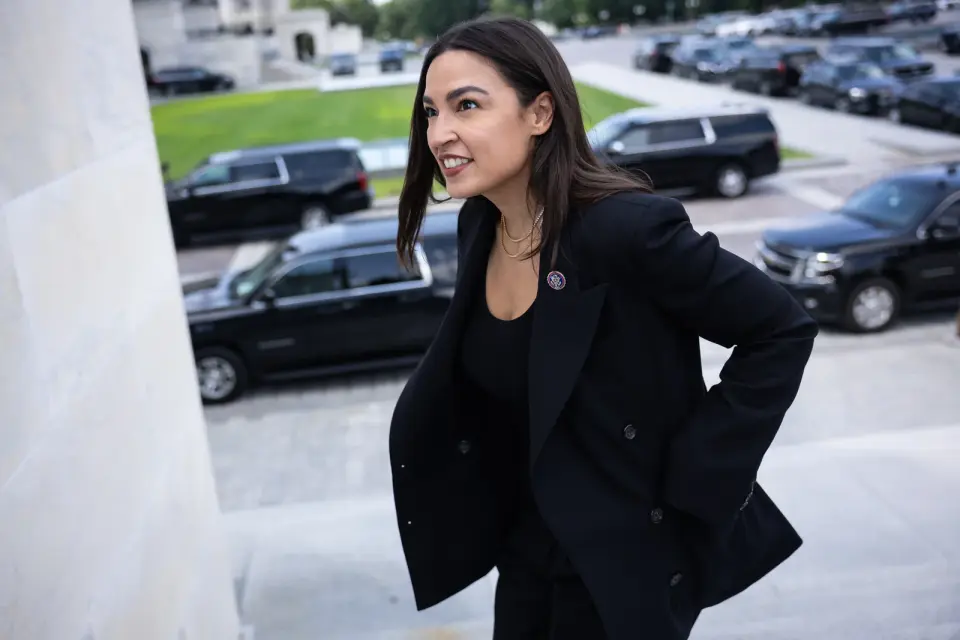
Alexandria Ocasio-Cortez has engaged in a months-long outreach effort with leaders of the Make America Healthy Again (MAHA) movement, focusing on shared concerns regarding pesticides, corporate power, and food safety. This strategic pivot aims to capture a disaffected voter bloc ahead of the 2028 presidential cycle, despite ongoing disagreements over vaccine policy. The collaboration began in spring 2026, with AOC’s team working alongside MAHA organizers to gather evidence for congressional hearings on EPA regulations. While the movement remains fractured, AOC’s team views this engagement as a way to build a broader coalition around environmental health issues, potentially influencing voters who prioritize health outcomes over traditional party lines.
Key points
- AOC’s office initiated a months-long outreach to MAHA leaders in spring 2026, culminating in a late July meeting with figures like Zen Honeycutt and Joe Maxwell.
- The collaboration focused on pesticides, PFAS, and corporate responsibility, avoiding direct discussion of political ideology or vaccine skepticism during meetings.
- MAHA organizers helped AOC’s team surface emails that informed her questioning of EPA Administrator Lee Zeldin, leading to a viral moment in congressional hearings.
- Some MAHA figures, such as Vani Hari, expressed hesitation about aligning with AOC due to their desire to maintain access to the current administration.
- Turning Point USA personality Alex Clark noted that MAHA voters are focused on health issues rather than party affiliation, suggesting potential crossover support for AOC.
Background
This outreach occurs as Democrats seek to identify a viable 2028 presidential candidate and as the MAHA movement faces internal divisions over its relationship with the Trump administration. AOC’s previous focus on progressive economic policies now includes environmental health issues, reflecting a broader strategy to appeal to voters concerned about corporate influence on public health. The move also coincides with growing frustration among MAHA supporters with the current administration’s handling of health and environmental policies.
Why it matters
AOC’s engagement with MAHA signals a potential shift in Democratic strategy to court voters who prioritize health and environmental issues over traditional ideological lines. If successful, this outreach could redefine the boundaries of progressive politics and influence the 2028 presidential race by capturing a significant, disaffected voter bloc. It also highlights the growing importance of environmental health issues in political discourse, particularly as concerns about pesticides and corporate power gain traction among diverse voter groups.
What to watch
AOC’s team will likely continue to engage with MAHA leaders and other health-focused advocates, potentially expanding the scope of their collaboration. The success of this outreach will depend on AOC’s ability to bridge ideological divides and build a unified movement around shared concerns. Additionally, the reaction of other MAHA figures and the broader political landscape will determine whether this strategy gains traction or faces backlash from both progressive and conservative critics.
Want the full story? Read the original reporting
Read on Politico