
Azerbaijan’s Secular Uniform Rules Trigger Hijab Protests and Diplomatic Rift with Turkey
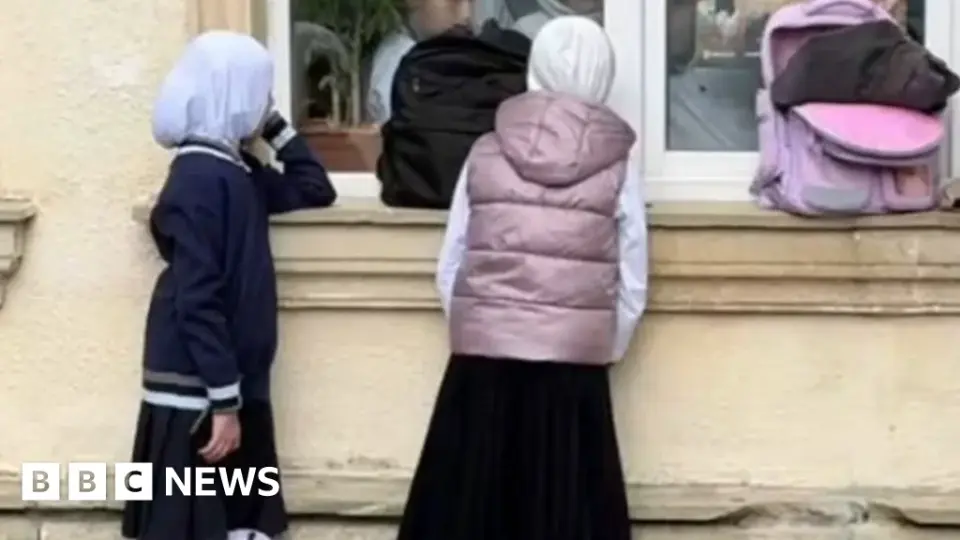
Azerbaijan’s new school uniform rules, which effectively ban the hijab, have sparked rare protests, 37 arrests, and a diplomatic dispute with Turkey. While the government cites secularism, critics argue the move violates religious freedom and constitutional rights in a predominantly Muslim nation.
Key points
- Azerbaijan’s education ministry began enforcing new uniform rules on Monday, turning away female pupils wearing hijabs, despite the rules not explicitly mentioning the headscarf.
- Protests erupted in Baku and southern districts like Masally and Jalilabad, with 37 people detained for obstructing the rules and violating public order.
- Turkey’s President Erdogan’s adviser called the restrictions 'unacceptable,' urging Baku to reverse the decision, while Azerbaijan’s ruling party accused Turkey of interference.
- An activist who launched an online platform for barred pupils was reportedly detained, and social media access was restricted without a VPN.
- Critics argue the rules violate constitutional rights to education and religious freedom, while supporters claim they uphold secularism and prevent parental influence on children.
Background
Azerbaijan is constitutionally secular, with President Ilham Aliyev enforcing strict separation of religion and state since 2003. The country is predominantly Shia Muslim, yet maintains close ties with Sunni Turkey. Previous archive coverage noted that similar headscarf bans in Austria and France have sparked debates over religious freedom versus secularism, but Azerbaijan’s move is distinct due to its geopolitical tensions with both Turkey and Iran.
How outlets are covering it
BBC and Al Jazeera report on the protests, arrests, and diplomatic fallout, highlighting the clash between secularism and religious freedom. Middle East Eye focuses on the lack of student voice in the decision, arguing that exclusion from school harms girls’ education and identity. Turkish officials, including Erdogan’s adviser Oktay Saral, condemned the ban as 'unacceptable,' while Azerbaijan’s ruling party accused Turkey of 'defamatory' interference. Some Azerbaijanis, like Baku resident Timur Rzayev, support the ban, arguing it prevents parental coercion and upholds secularism. The government’s position is that the rules maintain uniformity and secularism, while critics cite constitutional rights to education and religious freedom.
Why it matters
The dispute highlights the tension between secularism and religious freedom in a predominantly Muslim country, with potential implications for Azerbaijan’s relations with Turkey and Iran. It also raises questions about the rights of children to education and religious expression, and the role of the state in regulating personal choices. The diplomatic rift with Turkey, a close ally, could affect regional stability and Azerbaijan’s balancing act between Turkey and Iran.
What to watch
The government may face continued protests and international pressure, while Turkey may escalate its criticism. The activist’s detention and social media restrictions suggest a crackdown on dissent. The outcome of the diplomatic dispute with Turkey will depend on whether Azerbaijan reverses the rules or stands firm. The issue may also lead to legal challenges in Azerbaijan’s courts, as some critics urge affected individuals to seek redress through the judiciary.
- School headscarf ban sparks rare protests in Azerbaijan and row with Turkey BBC
- Tensions with teachers, pupils and Turkiye: Inside Azerbaijan’s hijab row Al Jazeera
- Schools In Azerbaijan Turn Away Girls Wearing Hijabs As Debate Over Religious Freedom Intensifies Radio Free Europe/Radio Liberty
- Azerbaijan’s hijab policy sparks frictions with Turkey The Arab Weekly
- Azerbaijan's headscarf row: Were the girls excluded from school asked what they think? Middle East Eye
Want the full story? Read the original reporting
Read on BBC