
Nigeria Confirms First Ebola Case in 12 Years as Regional Outbreak Spreads
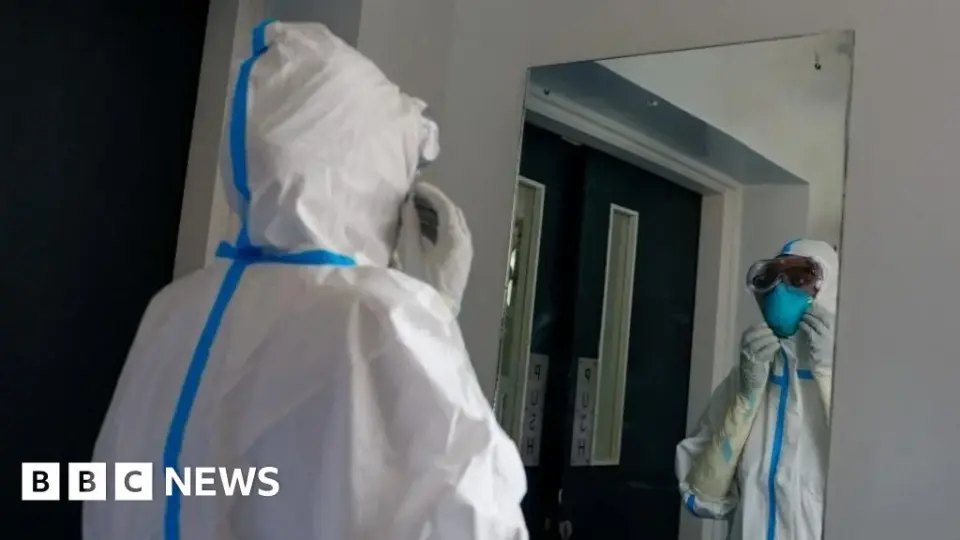
Nigeria has confirmed its first Ebola case in twelve years, involving a woman who traveled from Uganda to Abuja. Health authorities have identified 44 close contacts and initiated isolation protocols. This development marks the first West African case linked to the current East African outbreak, which has already claimed thousands of lives in the Democratic Republic of Congo and spread to Kenya and Uganda.
Key points
- A female patient in Abuja tested positive for Ebola after arriving from Uganda; she began showing symptoms on October 7 and was admitted to a private hospital on October 11.
- Health Minister Muhammad Ali Pate confirmed the diagnosis via laboratory tests and stated that 44 close contacts have been identified for tracing.
- The patient is currently in isolation receiving medical care, while the Nigeria Centre for Disease Control (NCDC) has urged travelers from affected regions to complete health declaration forms.
- The current outbreak is caused by the Bundibugyo strain, which has no approved vaccine or treatment, and has resulted in over 9,500 cases and 4,600 deaths in the DRC since May.
- Nigeria established an Ebola task force in June 2026 to prepare for potential cross-border transmission, following a successful containment of a 2014 outbreak.
Background
Nigeria previously contained an Ebola outbreak in 2014 after an infected traveler arrived from Liberia, resulting in eight deaths. The current regional crisis began in May 2026 in the Democratic Republic of Congo, spreading to Uganda and Kenya. Uganda declared itself free of the virus in August after discharging its last patient, but cross-border transmission concerns persisted, leading to heightened surveillance in neighboring nations.
How outlets are covering it
BBC and Associated Press (via WCVB) emphasize the confirmed diagnosis and the immediate public health response, including contact tracing and isolation. Peoples Gazette Nigeria highlights the specific location of the case at Nizamiye Hospital and the federal government's financial mobilization for containment. Truth Nigeria focuses on the government's directive for healthcare facilities to remain on high alert and the NCDC's toll-free reporting line. While all sources agree on the facts, the Africa Centers for Disease Control director, cited by WCVB, characterizes the situation as an 'extremely serious threat' with a 50% fatality rate, contrasting with the more procedural tone of the Nigerian health ministry's announcements.
Why it matters
This case represents the first West African infection linked to the current East African Ebola crisis, raising concerns about rapid cross-border transmission. The Bundibugyo strain lacks an approved vaccine, making containment reliant on strict surveillance and contact tracing. The incident tests Nigeria's preparedness structures established in June 2026 and highlights the ongoing challenges of border screening in the region.
What to watch
Health authorities will monitor the 44 identified contacts for symptoms and determine if further infections have occurred. The NCDC will continue to enforce health declaration requirements for travelers from affected countries. International support, including from the Africa CDC, is being mobilized to assist Nigeria's response efforts.
- Nigeria confirms Ebola case linked to East Africa BBC
- Nigeria confirms first Ebola case in traveler from Uganda WCVB
- Ebola hits Nigeria as Abuja hospital confirms new case Peoples Gazette Nigeria
- Nigeria Confirms 1st Ebola Case in 12 Years Truth Nigeria
- Nigeria Confirms First Ebola Case as African Outbreak Spreads Newsweek
Want the full story? Read the original reporting
Read on BBC