
Badenoch pledges to scrap inheritance tax on homes, citing £71bn in savings
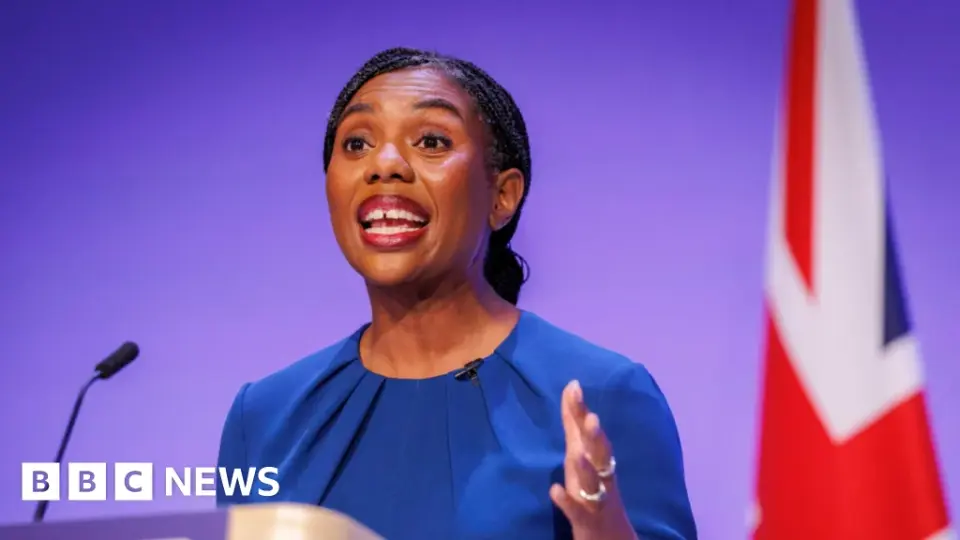
Conservative leader Kemi Badenoch has pledged to abolish inheritance tax (IHT) on family homes and raise the tax-free threshold for couples to £1m. The party estimates the policy will cost £6bn annually but claims to have identified £71bn in savings, including welfare cuts. Badenoch rejected a coalition with Reform UK, positioning the Conservatives as a 'no-nonsense' alternative to both Labour and Reform.
Key points
- Badenoch stated that a future Conservative government would abolish IHT on family homes as soon as it is financially viable, while currently proposing a £1m tax-free allowance for couples.
- The party estimates the IHT changes will cost £6bn per year, offset by £71bn in identified savings, which include cuts to welfare spending.
- Badenoch explicitly rejected a coalition with Reform UK, describing its leadership as a 'circus' and asserting that the Conservatives are the 'no-nonsense party.'
- The speech included other pledges, such as a £10bn anti-missile defense system, 50,000 new prison places, and halving employer national insurance for workers aged 21 to 24.
- Current IHT rules tax estates over £325,000 at 40%, with a higher threshold of £500,000 for homes passed to children or grandchildren.
Background
This announcement follows the Conservative Party's 2024 general election defeat and recent internal efforts to rebrand the party. Previous archive coverage from October 2026 noted that while Badenoch has gained personal approval, the party remains unpopular in polls. The IHT proposal is part of a broader strategy to win back middle-class voters who have drifted toward Reform UK, while simultaneously rejecting any formal alliance with Farage's party.
How outlets are covering it
The BBC reports that rival parties criticized the IHT plan as prioritizing the wealthy. Labour chairwoman Bridget Phillipson argued the Tories are ignoring the cost of social care for ordinary families, while Reform UK’s Robert Jenrick accused Badenoch of 'chickening out' on major reforms and catering to the top 2%. The Financial Times, behind a paywall, characterized the Conservatives as a 'work in progress,' suggesting the party is still defining its post-election identity. Badenoch, however, framed the move as a necessary step to win back trust, comparing the party’s revival to the rebranding of Marks & Spencer.
Why it matters
The IHT proposal is a central pillar of the Conservative strategy to regain electoral viability. By targeting middle-class families, Badenoch aims to differentiate her party from both Labour and Reform UK. However, the reliance on £71bn in savings, including welfare cuts, raises questions about the policy's fiscal sustainability and its potential impact on public services. The rejection of a Reform coalition signals a hardline stance on the right, which may consolidate the party's base but risks alienating moderate voters.
What to watch
The Conservative Party will likely face scrutiny over the specifics of the £71bn in savings, particularly regarding welfare cuts. Badenoch will continue to campaign against a coalition with Reform UK, aiming to present the Conservatives as the sole viable alternative to Labour. The party's ability to translate these policy pledges into improved poll numbers will determine its strategy for the next general election.
- Kemi Badenoch says Tories would scrap inheritance tax on family homes BBC
- Kemi Badenoch's pitch for power is incoherent The Economist
- UK Conservative leader pledges to abolish inheritance tax on family homes Reuters
- Badenoch’s UK Conservatives are a work in progress Financial Times
- 'Kemi's family home pledge' and 'Badenoch invokes core Tory values' BBC
Want the full story? Read the original reporting
Read on BBC