
Supreme Court strips Yabloko from Russia’s ballot after polling surge
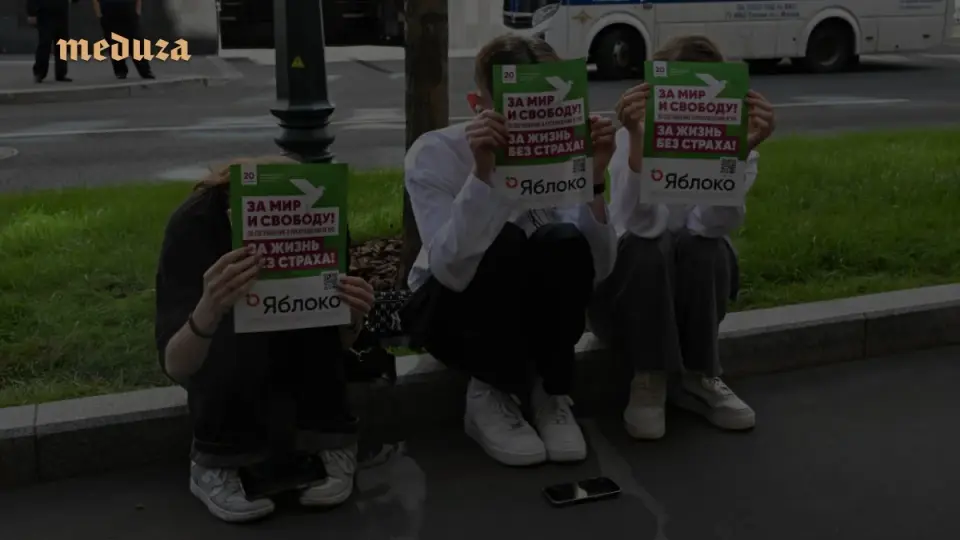
Russia’s Supreme Court removed Yabloko, the country’s last anti-war party, from the September State Duma ballot. The decision followed a lawsuit by the pro-Kremlin Rodina party, which alleged Yabloko violated copyright and received foreign funding. Although Yabloko had been registered to siphon votes from the Communist Party, its polling numbers rose to 6% nationally, prompting authorities to cancel its candidacy to prevent a sixth faction from entering parliament.
Key points
- On August 10, 2026, the Supreme Court ruled in favor of Rodina, barring Yabloko from the upcoming State Duma elections.
- Yabloko was initially registered to divert protest votes from the Communist Party, but its support surged to 6% nationally and 11% in Moscow.
- The Kremlin feared a sixth faction in parliament, leading to the party’s removal despite its exemption from signature collection requirements.
- Yabloko leader Nikolai Rybakov called the move an attack on freedom of thought and vowed to appeal the decision.
- Approximately 500 supporters, mostly young people, protested outside the courthouse, chanting 'Shame! Shame!'
Background
Yabloko last won seats in the State Duma in 1999, with its 2021 result falling to 1.34%. The party retains regional branches in St. Petersburg, Pskov, and Karelia, which granted it an exemption from collecting signatures for the federal ballot. Prior to the Supreme Court ruling, Yabloko had been barred from local elections in St. Petersburg and Karelia following similar lawsuits by Rodina.
How outlets are covering it
Meduza provides a detailed analysis of the Kremlin’s internal calculus, citing sources who claim Yabloko was registered to weaken the Communist Party’s 'fellow traveler' vote but was removed when its support exceeded expectations. The Guardian and Al Jazeera emphasize the symbolic nature of the ban, noting that Yabloko was the only remaining liberal party opposing the war in Ukraine. The Washington Post highlights the broader crackdown on dissent, linking the decision to an intensifying suppression of anti-war voices. All sources agree that the Rodina party’s lawsuit, citing copyright and foreign funding violations, was the legal vehicle for the ban, though Meduza suggests these grounds were pretextual.
Why it matters
The removal of Yabloko eliminates the only official channel for voters to express opposition to the war in Ukraine through the ballot box. This move consolidates the Kremlin’s control over the electoral landscape, ensuring that no anti-war faction can gain representation in the State Duma. It also signals a shift in the Kremlin’s strategy from tolerating minor opposition to actively suppressing any party that gains significant public support, even if initially permitted to run.
What to watch
Yabloko has stated it will appeal the Supreme Court’s decision. The party may seek alternative legal avenues to participate in the elections or continue campaigning independently. The September elections will proceed without Yabloko, likely resulting in a higher share of the vote for the Communist Party or the Kremlin-backed New People party, depending on how protest votes are redirected.
- The Kremlin let Russia’s only anti-war party, Yabloko, onto the ballot to bleed protest votes. But when it started polling at 6%, the Supreme Court stepped in. Meduza — Новости
- Ukraine war briefing: Russia bans voting against the war The Guardian
- Yabloko, Russian Antiwar Party, Is Banned From Parliament Elections The New York Times
- Russia’s Supreme Court bars last anti-war party from elections The Washington Post
- Russia bars only party opposing war in Ukraine from parliamentary vote Al Jazeera
Want the full story? Read the original reporting
Read on Meduza — Новости