
China’s New Exit Law Links Tech Security to Travel Bans
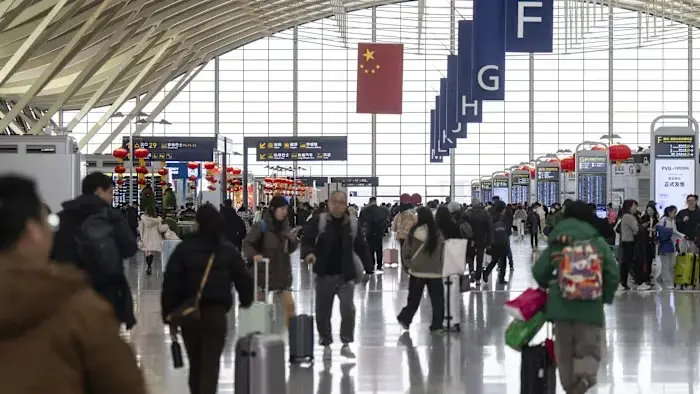
China has implemented sweeping new regulations governing exit and entry, effective Tuesday, which formalize restrictions on overseas travel for civil servants, state-owned enterprise employees, and private citizens in sensitive sectors. The rules, signed by Premier Li Qiang in July, allow authorities to impose exit bans ranging from three months to indefinite periods for violations of export control or technology import regulations. While Beijing frames the measures as safeguards for national sovereignty and security, critics argue they create a chilling effect on individual mobility and political expression, particularly for those in the technology sector or with overseas ties.
Key points
- The new State Council regulation on Exit and Entry Administration takes effect on Tuesday, formalizing previously informal restrictions on travel for mid-to-senior-level officials and sensitive sector workers.
- Article 4 explicitly links violations of export control or technology import/export regulations to potential exit bans, giving authorities broad discretion to restrict movement if actions 'may endanger' national industrial or technological security.
- Penalties for breaching the rules include steep fines and exit bans that can last from three months to an indefinite period, with some provisions allowing bans of up to three years for those deemed to have harmed national security while overseas.
- The regulations encourage private immigration agencies to report individuals attempting to travel in violation of the rules, and border officials are now required to advise against travel to 'high-risk' countries.
- Critics, including legal experts and affected individuals, describe the measures as a return to pre-1990s controls, where international travel is treated as a privilege subject to administrative approval rather than an individual right.
Background
These measures follow a series of tightening controls on technology and capital flows, including export restrictions on key chipmaking materials announced in September 2026. They also align with broader efforts to counter foreign sanctions and compete with the US for technological dominance, as noted in recent diplomatic tensions and trade disputes.
How outlets are covering it
The Financial Times emphasizes the broadening of restrictions to private citizens in sensitive areas and the potential for self-censorship due to vague legal wording. BBC highlights the lack of transparency in enforcement, noting that citizens often discover restrictions only when attempting to travel, and cites cases of passport denials linked to political activities. CNBC focuses on the impact on global business, particularly in Singapore and Japan, and the need for companies to ensure compliance with new export control rules. Outlook India raises concerns about transnational repression, specifically for Tibetans abroad, arguing that the securitization of border control could deter family reunions and political expression in democratic societies.
Why it matters
The new regulations signal a significant shift in China's approach to cross-border mobility, prioritizing national security and technological control over individual travel rights. This could impact global supply chains, talent mobility, and the ability of Chinese citizens to engage in international activities, with potential repercussions for diplomatic relations and human rights concerns.
What to watch
Authorities will likely enforce the new rules strictly, with increased scrutiny on travel applications for sensitive sectors and high-risk destinations. Companies and individuals may face more rigorous vetting processes, and there could be a rise in self-censorship among those with overseas ties or in technology-related fields.
- China tightens control of overseas travel in sweeping new law Financial Times
- China tightens travel restrictions for citizens BBC
- CNBC's The China Connection newsletter: Tech controls expand to employees CNBC
- China’s New Exit and Entry Rules: Securitising Cross-Border Mobility Outlook India
- MAC official warns of travel risks to China amid new rules Focus Taiwan
Want the full story? Read the original reporting
Read on Financial Times