
Berlin’s historic Left victory contrasts with AfD’s eastern gains
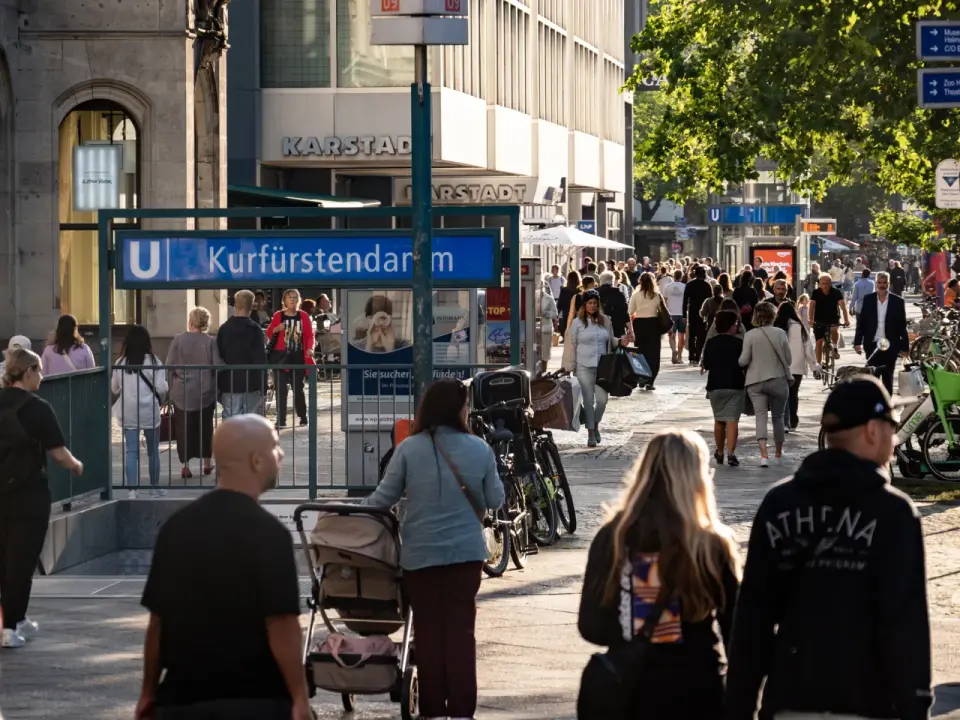
Berlin voters elected Elif Eralp of the Left party as their new mayor, marking a historic shift toward anti-capitalist and pro-migrant policies. While the Left secured 25.7% of the vote, the far-right AfD also gained ground, winning in Mecklenburg-Vorpommern and finishing third in Berlin. This split outcome highlights a deepening polarization in German politics, with the Left focusing on housing affordability and the AfD capitalizing on anti-immigrant sentiment.
Key points
- Elif Eralp, a candidate of Turkish descent, won the Berlin mayoral race with 36% approval ratings, becoming the city’s first mayor from the Left and likely the first with an immigrant background.
- The Left party secured 25.7% of the vote in Berlin, its highest result, driven by support from young voters and residents concerned about housing costs.
- The AfD finished third in Berlin with 16% of the vote but won the state election in Mecklenburg-Vorpommern, marking its second state victory in two weeks.
- The CDU failed to win seats in the Berlin state legislature for the first time since 1945, signaling a major decline for the governing party.
- Eralp’s platform includes rent caps, expropriation of corporate landlords, and expanded rights for non-citizens, though coalition negotiations with the SPD and CDU remain uncertain.
Background
Recent months saw the AfD surge in Saxony-Anhalt, where it achieved its best result since the Nazi era, prompting widespread protests and fears of far-right dominance. Prior to the September 2026 elections, analysts warned that AfD gains could destabilize national politics and pressure Chancellor Friedrich Merz’s CDU. The current results reflect a broader trend of anti-establishment sentiment, with voters in different regions rejecting traditional center-right and center-left options in favor of polarized alternatives.
How outlets are covering it
Al Jazeera emphasizes the symbolic and emotional impact of Eralp’s victory on immigrant communities, framing it as a source of hope against the AfD’s rise. It highlights the party’s focus on social justice and housing, while noting concerns about Eralp’s stance on Israel and Palestine. The Washington Post, in contrast, focuses on the structural implications of the election, describing the simultaneous victories of the far-left and far-right as evidence of widespread voter dissatisfaction with traditional politics. It underscores the historic failure of the CDU in Berlin and the broader anti-establishment mood, without delving into the social or demographic nuances of the Left’s support base.
Why it matters
The election results signal a potential realignment of German politics, with the Left gaining influence in major urban centers and the AfD consolidating power in eastern states. This polarization could complicate coalition-building at both the state and national levels, as the Left’s radical policies clash with the conservative and social-democratic parties. Additionally, the outcome may influence national debates on housing, immigration, and foreign policy, particularly regarding Germany’s stance on Israel and Palestine.
What to watch
Eralp’s Left party must form a coalition with the SPD and CDU to govern Berlin, a process that could take weeks or months. Key negotiations will center on controversial policies like housing expropriation, which both the SPD and CDU have opposed. Meanwhile, the AfD’s continued gains in eastern states may prompt further federal responses, including potential restrictions on its activities or shifts in national policy on immigration and security.
- ‘Hope’ rises in Berlin immigrant communities as Left wins amid AfD gains Al Jazeera
- Why young Berliners vote overwhelmingly for the socialist Left Party DW.com
- Victories by far left and far right show Germans sick of politics as usual The Washington Post
- Merz vows to protect German Jews after far-left party wins Berlin election Haaretz
- Far-left leader pushing to lead Berlin says city has voted for change Reuters
Want the full story? Read the original reporting
Read on Al Jazeera