Tag

German Elections

All articles tagged with #german elections

Berlin’s historic Left victory contrasts with AfD’s eastern gains
politics2 months ago

Berlin’s historic Left victory contrasts with AfD’s eastern gains

Berlin voters elected Elif Eralp of the Left party as their new mayor, marking a historic shift toward anti-capitalist and pro-migrant policies. While the Left secured 25.7% of the vote, the far-right AfD also gained ground, winning in Mecklenburg-Vorpommern and finishing third in Berlin. This split outcome highlights a deepening polarization in German politics, with the Left focusing on housing affordability and the AfD capitalizing on anti-immigrant sentiment.


Merz’s CDU Collapse Threatens EU Budget and German Reform Agenda
politics2 months ago

Merz’s CDU Collapse Threatens EU Budget and German Reform Agenda

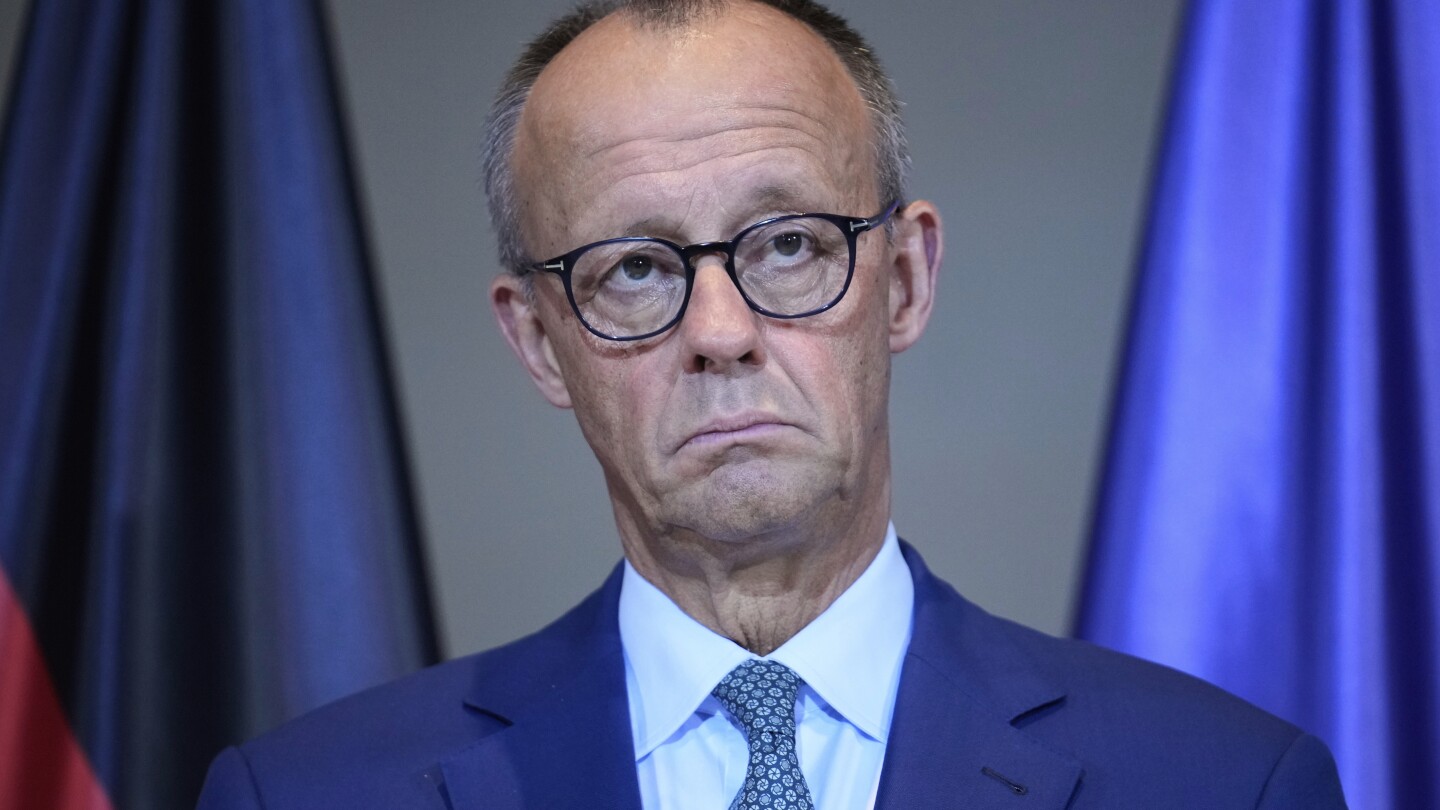
German Chancellor Friedrich Merz faces a political crisis after his Christian Democratic Union (CDU) suffered historic losses in state elections, including being excluded from parliament in Mecklenburg-Western Pomerania. While Merz vows to continue his pro-growth reforms, the far-right AfD has gained significant ground, destabilizing the political landscape and casting doubt on the EU’s 2028-34 budget negotiations.

Saxony-Anhalt vote tests AfD’s bid for first postwar state power
politics2 months ago

Saxony-Anhalt vote tests AfD’s bid for first postwar state power

German voters in Saxony-Anhalt are voting on September 6, 2026, in a pivotal state election where the far-right Alternative for Germany (AfD) could secure its first post-World War II state-level majority. Polls show the AfD leading with approximately 40-42% support, ahead of the center-right CDU at 23%. An absolute majority would allow the AfD to bypass the mainstream 'firewall' non-cooperation policy, potentially setting the stage for national power in 2029. If the AfD fails to reach a majority, coalition talks will determine whether a CDU-led government under incumbent Sven Schulze can form, or if other parties can block AfD influence. The outcome hinges on whether smaller parties clear the 5% parliamentary threshold.

Saxony-Anhalt Vote Tests Germany's Far-Right Economic and Security Limits
politics2 months ago

Saxony-Anhalt Vote Tests Germany's Far-Right Economic and Security Limits

Germany’s far-right AfD is poised to win outright control of Saxony-Anhalt in the upcoming state election, potentially becoming the first post-WWII far-right state government. While the party promises economic growth through deregulation and deportation of migrants, economists warn these policies will worsen labor shortages and create massive funding gaps. Federal officials are simultaneously planning to restrict the AfD’s access to classified intelligence due to its ties with Russia.

AfD Leverages East German Nostalgia and Simson Mopeds to Chase Historic Power in Saxony-Anhalt
politics2 months ago

AfD Leverages East German Nostalgia and Simson Mopeds to Chase Historic Power in Saxony-Anhalt

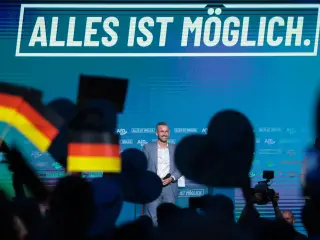
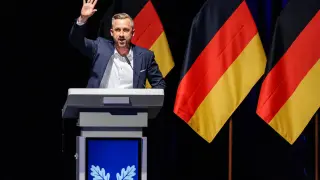
The Alternative for Germany (AfD) is leveraging nostalgia for the former East German regime to secure a potential governing majority in Saxony-Anhalt. Led by Ulrich Siegmund, the party uses symbols like Simson mopeds to appeal to regional identity and economic resentment, despite being classified as extremist by domestic intelligence. If the AfD wins the September 6 election, it would mark the first time a far-right party holds significant power in a German state since 1945, potentially dismantling the political 'firewall' that has excluded it from government.

German Voters Shift Right in State Elections, Sending Ominous Message to Brussels
politics3 years ago

German Voters Shift Right in State Elections, Sending Ominous Message to Brussels

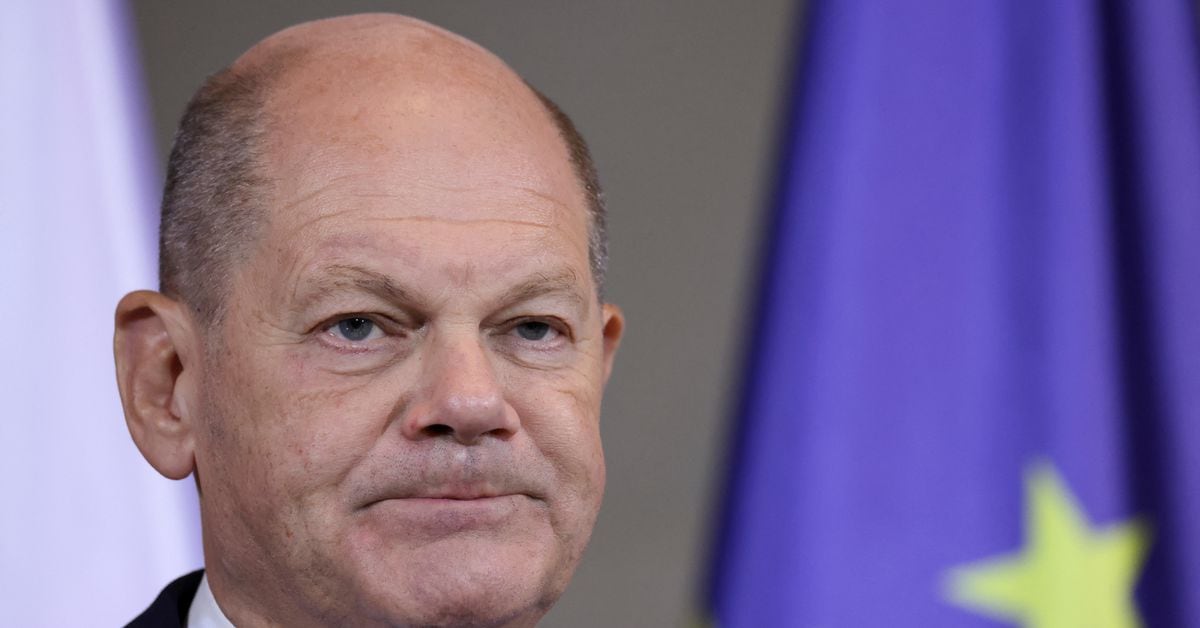
German Chancellor Olaf Scholz's center-left coalition suffered a significant defeat in local elections, with the conservative CDU and far-right AfD making gains. This outcome could hinder crucial reforms both in Germany and at the European Union level, as internal divisions within the coalition have already led to compromises on climate transition measures. A weakened German government may struggle to rally other EU member states around compromise proposals, potentially stalling important discussions on energy price reform and rewriting fiscal rules.