
Brazil Election Heads to Runoff as Flávio Bolsonaro Defies Polls to Challenge Lula
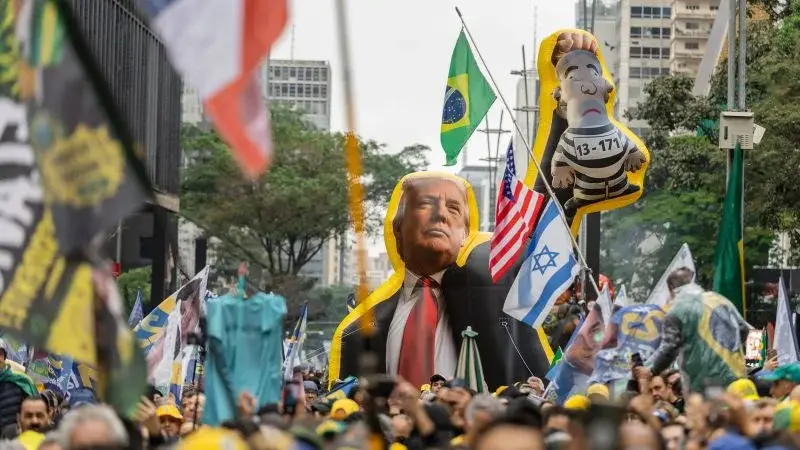
Brazil’s presidential election will proceed to a runoff on October 25 after neither candidate secured the required 50% majority. Right-wing Senator Flávio Bolsonaro surprised analysts by finishing first with 47% of the vote, narrowly ahead of incumbent Luiz Inácio Lula da Silva, who received 44.9%. The campaign was defined by deep polarization, crime policy debates, and international tensions, particularly regarding US tariffs and foreign interference. Voter fatigue and corruption scandals, including the Banco Master case, contributed to an 'apathetic polarization' among the electorate.
Key points
- Flávio Bolsonaro, 45, won 47% of the first-round vote, defying polls that predicted a second-place finish. He declared the result the 'end of the PT era' and promised to end presidential reelection.
- Incumbent Lula, 80, received 44.9% and admitted he expected to win in the first round. He is seeking a fourth term after previously governing from 2003 to 2010 and returning in 2023.
- The runoff on October 25 will determine whether Brazil aligns with a conservative, US-aligned bloc or continues Lula’s multipolar foreign policy. Flávio has cultivated ties with Trump and Netanyahu, while Lula has championed multilateralism and sovereignty.
- Crime and security were central to Flávio’s campaign, including proposals to designate criminal factions as terrorist organizations and lower the age of criminal responsibility. Lula opposed the US designation of Brazilian criminal groups as terrorist organizations.
- The Banco Master scandal implicated both candidates. Flávio is under investigation for alleged corruption related to financing for a film about his father, while Supreme Court Justice Alexandre de Moraes, a Bolsonaro adversary, faced questions over his wife’s law firm contract with the bank.
Background
This election follows a period of intense political polarization in Brazil, marked by the 2022 victory of Lula over Jair Bolsonaro and the subsequent coup conviction of the former president. The current race is part of a broader rightward shift in Latin America, with recent victories in Colombia and Peru. The campaign has been influenced by US tariffs and diplomatic friction, which Lula has used to appeal to nationalist voters, while Flávio has leveraged security concerns and international alliances.
How outlets are covering it
CNN emphasizes the surprise nature of Flávio Bolsonaro’s first-round victory and the deep polarization and voter fatigue characterizing the campaign. It highlights the international dimensions, including US tariffs and Flávio’s alignment with Trump and Netanyahu, as well as the Banco Master scandal’s impact on both candidates. CNBC focuses on the market implications, noting that Wall Street favors Bolsonaro due to his promises of fiscal discipline and reform. It highlights the potential for a rally in Brazilian bonds, currency, and stocks if Bolsonaro wins, citing JPMorgan’s analysis of past reforms under Jair Bolsonaro. The sources differ in emphasis: CNN focuses on political and social dynamics, while CNBC centers on economic and market outcomes.
Why it matters
The outcome will shape Brazil’s domestic and foreign policy, including its stance on crime, fiscal policy, and international relations. A Bolsonaro victory could lead to a rightward shift in Latin America and closer alignment with the US, while a Lula win would maintain multipolar foreign policy and social programs. The election also reflects broader trends in voter fatigue and polarization, with implications for democratic stability and economic reform in the region.
What to watch
The runoff is scheduled for October 25. Campaigns will focus on crime, economic policy, and international relations. Market reactions will depend on the outcome, with potential shifts in currency, bonds, and stocks. The composition of the legislature, also decided in this election, will influence the ability to implement reforms.
- Trump, crime and corruption loom over Brazil’s presidential vote CNN
- Lula ahead in polls for Brazil's first-round vote; runoff likely Reuters
- Lula or Bolsonaro: Wall Street braces for two wildly different results in Brazil election CNBC
- Lula, Bolsonaro in Dead Heat as Brazil Prepares to Vote Bloomberg.com
- Brazil's big political rematch: What to know about the Brazilian election NPR
Want the full story? Read the original reporting
Read on CNN