
Brazil Election: Markets Bet on Bolsonaro’s Fiscal Reforms Amid Geopolitical Stakes
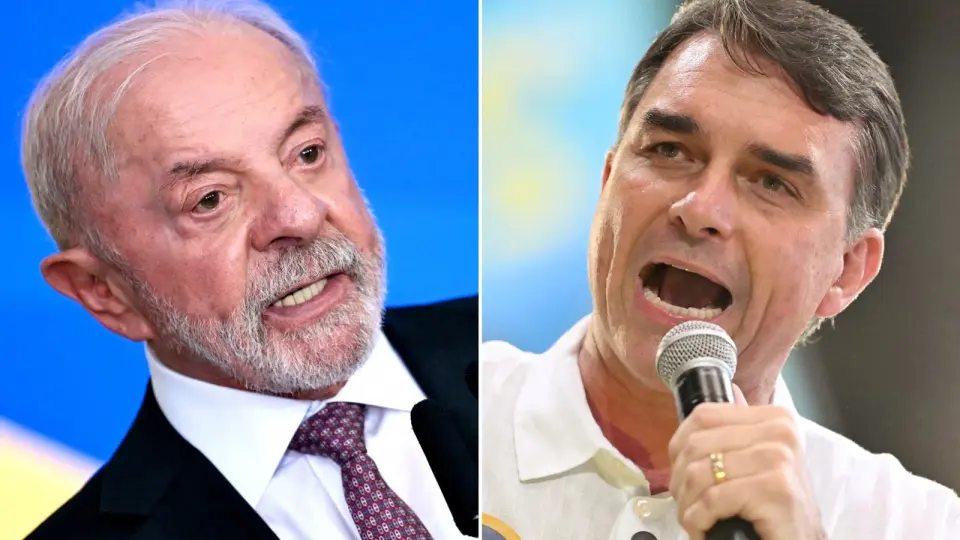
Brazilian voters are choosing between incumbent Luiz Inacio Lula da Silva and Flavio Bolsonaro in a tight race that could reshape global markets and US-Latin American relations. While Wall Street favors Bolsonaro for his fiscal discipline, geopolitical analysts warn a right-wing victory would align the region with US policies, potentially undermining democratic norms.
Key points
- The election pits 80-year-old incumbent Lula against 45-year-old Flavio Bolsonaro, with a runoff likely on October 25 if neither secures 50% of the vote.
- Markets favor Bolsonaro due to his promise of fiscal discipline, with JPMorgan predicting a 21-41% upside for Brazilian stocks if he wins.
- A Bolsonaro victory could align Brazil with the US-led 'Shield of the Americas' coalition, while Lula opposes this alliance, citing sovereignty concerns.
- Brazil’s debt-to-GDP ratio stands at 81.9%, up 10% since Lula took office, prompting calls for a 3-3.5% fiscal adjustment.
- The election is also a test for democracy, as Jair Bolsonaro is under house arrest for plotting a coup, and Flávio faces corruption allegations.
Background
Brazil’s October 4 election follows a series of recent developments, including Lula’s emergency ban on online gambling and growing tensions with the US over tariffs and interference. Previous coverage highlighted the race as a statistical dead heat, with both candidates facing high rejection rates and scandals, including the Banco Master financial scandal implicating Flavio Bolsonaro.
How outlets are covering it
CNBC emphasizes the market implications, noting that Wall Street favors Bolsonaro for his fiscal discipline, with JPMorgan predicting significant stock gains if he wins. The Guardian focuses on the geopolitical stakes, highlighting how a Bolsonaro victory could align Brazil with the US-led 'Shield of the Americas' coalition, while Lula opposes this alliance. Reuters provides live election results, while AP News offers background on the candidates and the election’s significance. The outlets differ in their emphasis, with CNBC focusing on economic outcomes and the Guardian on geopolitical and democratic implications.
Why it matters
The outcome of Brazil’s election could reshape global markets, US-Latin American relations, and the future of democracy in the region. A Bolsonaro victory could lead to significant market gains but also align Brazil with US policies, potentially undermining democratic norms. A Lula victory would maintain Brazil’s independent foreign policy but face challenges in addressing fiscal issues.
What to watch
If neither candidate secures 50% of the vote, a runoff will take place on October 25. The composition of the legislature, also being decided in this election, will be a key factor in the ability to achieve reforms. The outcome will also influence US-Latin American relations and the future of the 'Shield of the Americas' coalition.
- Lula or Bolsonaro: Wall Street braces for two wildly different results in Brazil election CNBC
- Brazil's big political rematch: What to know about the Brazilian election npr.org
- Brazil’s neck-and-neck election offers test for growing pro-Trump Latin American bloc theguardian.com
- Brazil election results Reuters
- Brazilians will vote in a highly polarized presidential race on Sunday. Here’s what to know AP News
Want the full story? Read the original reporting
Read on CNBC