
Britain's Defence Investment Plan pivots to drones and deterrence with £298bn
TL;DR
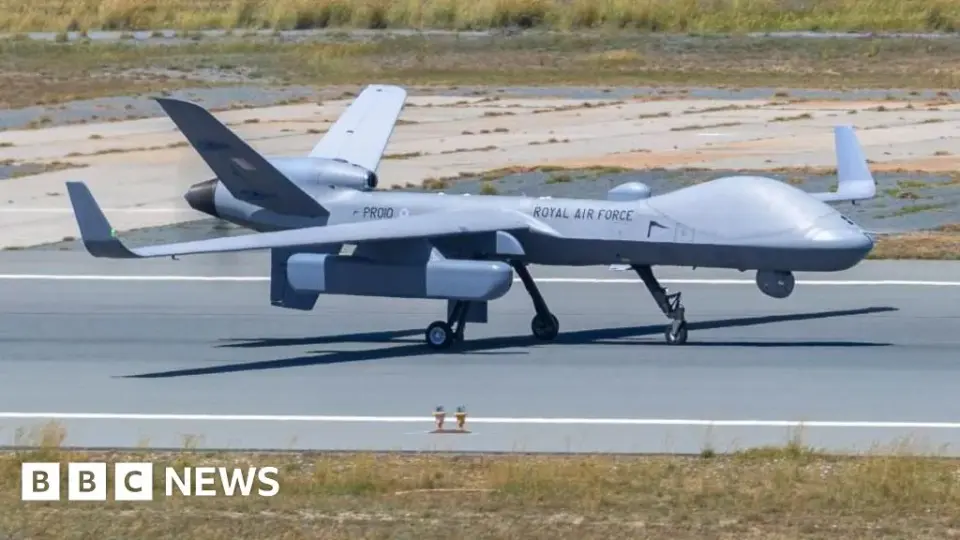
Britain's long-awaited Defence Investment Plan pledges £298bn over the next four years—£15bn more than previously and the biggest uplift since the Cold War—yet critics say it underfunds defence at about 2.7% of GDP by 2030 (NATO target 3%). The plan pivots toward cheaper, autonomous systems and drones, with £63bn for the nuclear deterrent, £8bn for a UK-led next-generation RAF stealth aircraft, and a push to hybrid crews. It also funds replenishing Ukraine aid (£11bn), air/missile defence (£790m), and protection of undersea cables (£330m). The Army grows to ~76,000; some programmes are cut (e.g., Type 83 destroyers, Storm Shadow replacement), and expansion of Cadets is delayed.
Topics:worldpolitics#air-force#defence-spending#nuclear-deterrent#politics#uk-government#unmanned-systems
- Frank Gardner: Key points from government's defence spending plan BBC
- Britain unveils its new Ukraine-modeled armed forces politico.eu
- Starmer warns Burnham not to borrow to fund defence as he reveals £15bn plan The Guardian
- Royal Navy rethinks frigate plans to focus on drone warfare Financial Times
- In Defence Investment Plan preview, Britain bets big on drones, ‘hybrid’ navy Breaking Defense
Want the full story? Read the original reporting
Read on BBC