Germany plans to raise defence spending to about €144.9bn in 2027—roughly a 20% jump from 2026—to hit NATO’s 3.5% of GDP core military outlay years ahead of schedule; the move follows suspending the constitutional debt brake and creating a €500bn fund for infrastructure, with about €11.5bn of next year’s total earmarked for Ukraine, as Berlin pursues a larger, modernised Bundeswehr.
Critics say complacency on defence funding is harming the UK armed forces as ministers stall on a long-delayed 10-year investment plan amid a £28bn funding shortfall; the Strategic Defence Review highlighted gaps, the army is depleted, and NATO spending targets show Britain lagging behind allies, with Labour pledging to lift spending to 2.5% of GDP next year and toward 3.5% by 2035 amid growing security threats from Russia, Iran, and China.
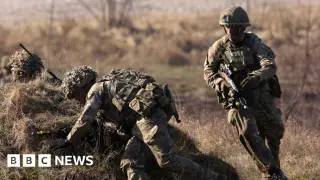
Former NATO chief Lord Robertson warns UK security is in peril as the armed forces shrink since 1990, with the army down from 153,000 regulars to about 74,000, reservists reduced, the navy and RAF reduced in major assets, and drones becoming part of defence. The government pledges the largest defence spending increase since the Cold War and NATO targets, but critics point to procurement delays and question whether spending will keep pace with new threats.
Former NATO secretary-general Lord George Robertson warns Britain's security is 'in peril' and accuses non-military Treasury experts of 'vandalism' as the government delays the 10-year defence investment plan tied to the Strategic Defence Review; with more than £270bn promised, he argues the country is underprepared, underinsured and under threat, and says defence cannot be funded by an expanding welfare budget, while PM Keir Starmer says the plan is on his desk and being finalised.
At the Munich Security Conference, European leaders signalled a shift to rely less on the United States and to bolster a stronger European pillar within NATO, citing Donald Trump’s Greenland move as a catalyst. They backed faster defence integration, debated European nuclear deterrence and joint programmes like ELSA and FCAS, and acknowledged funding and procurement hurdles as defence spending climbs.
The Liberal Democrats propose issuing publicly available “war bonds” to raise up to £20bn for defence, letting citizens lend to the government for 2–3 years at standard gilt-rate interest, with the proceeds ring-fenced for defence and paired with reforms to the MoD’s procurement process amid calls for increased NATO-aligned spending.
Britain’s head of the Armed Forces, Sir Richard Knighton, warned the UK is not as prepared as needed for full-scale conflict amid reports of a £28bn funding gap over four years and a delayed defence investment plan. Despite higher spending, ministers face tough trade-offs as the department has a history of budget overruns (earlier reports cited £16.9bn overrun and a £29bn deficit). Knighton declined to discuss confidential discussions with the PM and chancellor, while saying the plan must be published and that “we can’t do everything we want… within the budget.” He signalled limited ability to mobilise the NHS and protect critical infrastructure in wartime, noted the Army could contribute short-term to Ukraine, and stressed more work is needed on domestic resilience. Labour’s spending pledges and NATO pressures add to the backdrop of a strained defense outlook.
The article discusses Keir Starmer's close relationship with Donald Trump and its potential political repercussions, including criticisms from opponents and internal party concerns, amid rising global instability and debates over UK defence spending.
The UK government faces a potential £28bn shortfall in defence spending over the next four years to meet its 'war-ready' military goals, with delays in the MoD's investment plan and previous forecasts indicating significant budget overruns, amid ongoing debates over increased military funding and readiness.
Nearly a third of NATO members have not met the current 2% GDP defence spending target, with some countries like Spain planning to increase their spending soon, while others argue for smarter procurement over higher budgets. The new target of 5% is controversial and not legally binding, but political pressure, especially from the US and Trump, is encouraging increased spending across the alliance.
NATO countries have agreed on a statement to aim for 5% of GDP to be spent on defence and security by 2035, overcoming Spain's initial objections, with the final approval pending leader endorsement at the upcoming Hague summit. The target involves increasing current spending from 2% to 3.5%, plus an additional 1.5% on related areas, with a review scheduled for 2029.
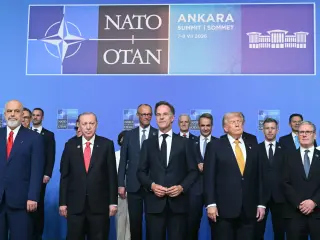
Nato's summit in The Hague is primarily focused on increasing defence spending among European allies to satisfy US President Donald Trump's demands, amid ongoing tensions over Russia and disagreements on issues like trade and Ukraine. The summit is shortened and simplified to avoid conflicts, with key discussions on military capabilities and spending targets, but divisions remain, especially regarding Russia and Ukraine.
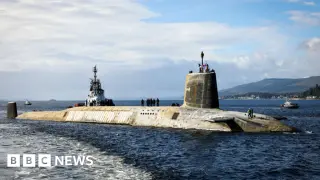
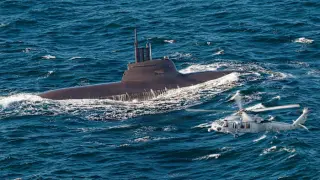
UK Defence Secretary John Healey announced increased defence spending plans in the House of Commons amid broader economic pressures, with a goal to reach 3% of GDP by 2034, including a £15bn investment in nuclear deterrence and new submarines. Labour leader Keir Starmer outlined his defence goals, emphasizing readiness, Nato contribution, and innovation, while political reactions highlighted concerns over the pace and timeline of spending commitments amidst global threats and economic constraints.
UK Defence Secretary John Healey expects the country's defence spending to reach 3% of GDP by 2034, with the government planning a strategic review to outline future military priorities, including increased investment in digital and unmanned weaponry, amid discussions of NATO allies increasing their collective defence budgets.
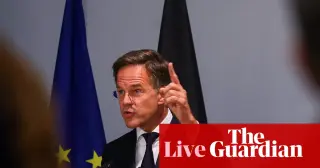
NATO's chief, Mark Rutte, has urged citizens of member states to accept sacrifices, such as cuts to pensions and social services, to increase defence spending beyond the current 2% of GDP benchmark. He emphasized the need for a 'wartime mindset' to ensure long-term security in Europe, warning that current spending levels may not suffice to deter future threats. Rutte called for public support to pressure politicians into prioritizing defence, arguing that investing in defence is crucial for maintaining peace and security.