
Burnham admits Russia interfered in 2016 Brexit vote, warns European allies
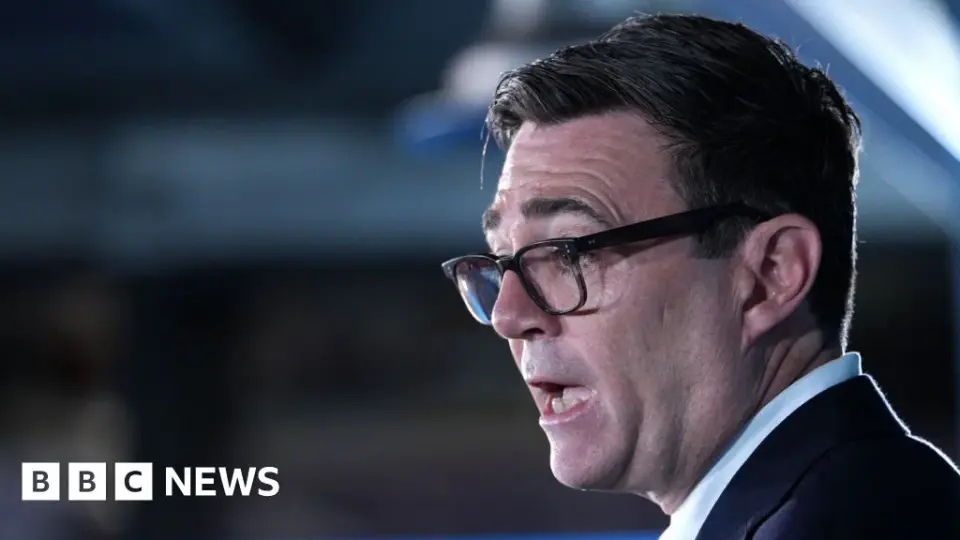
UK Prime Minister Andy Burnham has become the first British leader to explicitly confirm that Russia interfered in the 2016 Brexit referendum. Speaking on a podcast, Burnham stated he received a 'clear answer' from intelligence sources upon taking office that Moscow attempted to influence the vote. He warned that similar disinformation campaigns are currently targeting Germany and France, urging European voters to recognize foreign interference. While pro-Brexit groups dismissed the claim as an insult to voters, the admission marks a significant departure from previous Conservative government positions, which denied successful interference despite earlier parliamentary reports criticizing the lack of investigation.
Key points
- Burnham confirmed on The Rest is Politics podcast that he asked about Russian interference in 2016 and received a definitive 'yes' from officials.
- The Prime Minister warned Chancellor Friedrich Merz in Berlin about Russian-funded misinformation supporting the far-right AfD party in Germany.
- Burnham criticized the UK for being 'on the back foot' regarding foreign interference, contrasting this with the US response to the 2016 presidential election.
- The pro-Brexit group Britain Unbound rejected the claim, arguing there is no evidence Russian intervention influenced the 2016 outcome and calling the suggestion insulting to voters.
- A 2020 parliamentary report previously criticized the government for failing to assess Russian interference, though it did not definitively conclude that the referendum result was altered.
Background
This admission follows Burnham’s recent rhetoric questioning the economic benefits of Brexit and suggesting the UK could rejoin the EU. It also comes amid broader European concerns over Russian influence, including recent Swiss votes rejecting neutrality initiatives that would have hindered sanctions against Russia. The UK government has recently announced a new center to combat disinformation and strengthened national security powers.
How outlets are covering it
The BBC and The Guardian report Burnham’s statement as a significant political shift, noting that previous Conservative governments insisted there was no evidence of successful interference. The Financial Times highlights the connection between Brexit and current political ruptures in Germany and France, framing Burnham’s comments as a warning to European allies. Conversely, the pro-Brexit group Britain Unbound, cited by the BBC, argues that while foreign interference is unacceptable, there is no proof it influenced the 2016 result, and that suggesting voters were easily duped is insulting. The Independent’s coverage was obscured by technical code but aligns with the narrative of Burnham being the first PM to confirm interference.
Why it matters
This confirmation sets a new precedent for UK government transparency regarding foreign interference, potentially influencing how future elections are monitored. It also signals a shift in UK-EU relations, as Burnham uses the Brexit experience to warn European neighbors about Russian disinformation, aiming to strengthen democratic resilience across the continent against far-right movements.
What to watch
Burnham is expected to continue pressing for closer UK-EU integration at an upcoming summit in November. The government will likely implement new measures to combat disinformation, including the establishment of a dedicated center and potential legislative changes under the National Security Act. The debate over the legitimacy of the 2016 vote may intensify as political opponents challenge the new narrative.
- PM says it is 'clear' Russia interfered with Brexit vote BBC
- UK PM Burnham says Russia interfered in 2016 Brexit vote Reuters
- Andy Burnham says it is clear Russia interfered in Brexit referendum The Guardian
- Burnham becomes first PM to confirm Russian interference in Brexit vote The Independent
- Russia ‘interfered’ in 2016 Brexit vote, says Andy Burnham Financial Times
Want the full story? Read the original reporting
Read on BBC