
Burnham bets 2029 election on tax-funded social care overhaul
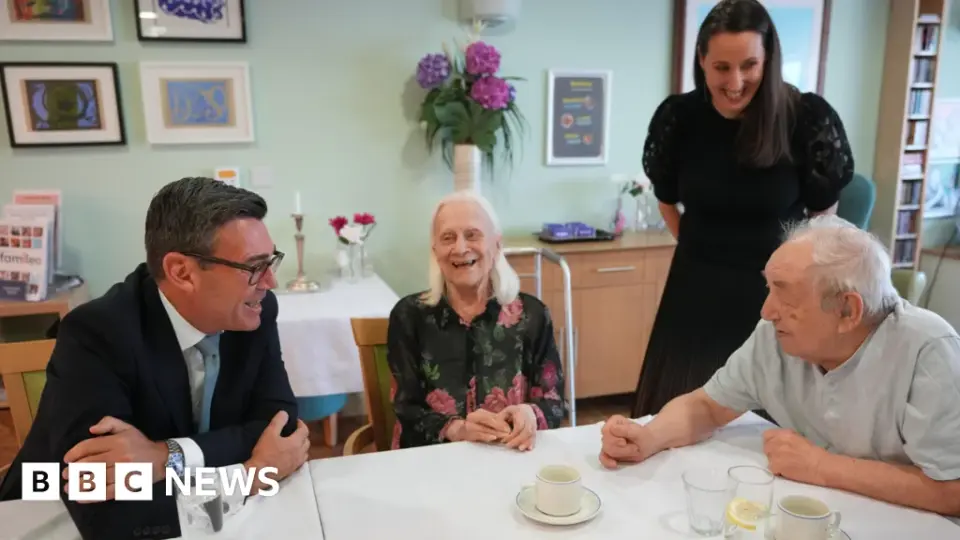
Prime Minister Andy Burnham has signaled he will propose a free, nationally funded social care system in England for the 2029 general election, acknowledging that achieving this will likely require breaking his party’s current manifesto pledges against tax rises. While he denies the system will cost the estimated £18 billion annually, he faces internal pressure to scrap the pension triple lock and external criticism from opponents who label the plan a 'death tax.'
Key points
- Burnham told the BBC he will present a plan for a free social care system at the next general election, as current manifesto commitments prevent immediate action.
- The Health Foundation estimates a comprehensive system could cost £18.7bn annually, a figure Burnham disputes but acknowledges as a potential political risk.
- Internal Labour critics, including Darren Jones, suggest scrapping the pension triple lock could free up billions to fund care without raising taxes.
- Baroness Casey’s review of adult social care, brought forward to next year, is expected to inform the government’s final funding strategy.
- Conservatives and Reform UK have criticized the proposal, with the latter branding it a 'death tax,' while unions warn against cutting pension guarantees.
Background
Social care reform has historically been a political minefield in the UK. Previous attempts, such as the 2017 'dementia tax' under Theresa May and the 2010 'death tax' proposal by Burnham himself, failed due to public backlash. Burnham’s 2026 agenda, outlined in earlier archive coverage, included sweeping reforms but faced practical pushback regarding budget constraints. The current debate mirrors past failures where leaders struggled to balance fiscal responsibility with social needs, often leading to policy reversals or political damage.
How outlets are covering it
The BBC highlights the political peril and 'big rewards' for Burnham, noting that while he denies the £18bn cost estimate, he admits the plan may make him unpopular. The Financial Times emphasizes the internal Labour conflict, reporting that MPs are pushing to scrap the triple lock to avoid tax hikes, a move Burnham has not yet endorsed. While the BBC focuses on the 'unanswered questions' of funding, the FT frames the issue as a high-risk gamble on the 2029 election, contrasting Burnham’s confidence with the skepticism of critics like Darren Jones and the Unite union. Both outlets agree that the current manifesto commitments block immediate action, but the FT places more weight on the specific funding mechanisms (tax vs. cuts) than the BBC, which focuses more on the broader political narrative.
Why it matters
This decision defines the fiscal landscape for the next three years in the UK. If Burnham pursues tax rises or pension cuts, it could reshape the social contract for older voters and influence the outcome of the 2029 election. The outcome will determine whether England adopts a universal care model, potentially relieving pressure on the NHS, or if the government retreats from the issue, leaving the current fragmented system in place. The political capital required to pass such measures is significant, and failure could mirror the political instability seen in previous administrations that attempted similar reforms.
What to watch
Burnham is expected to provide more details on funding in his speech at the Labour Party conference on Tuesday. Baroness Casey’s review is set to conclude next year, potentially recommending tax changes or spending cuts. The next general election is expected in 2029, where Burnham will likely present the final plan to the public. Internal Labour debates on the triple lock may intensify as the government seeks a 'sustainable' solution before the election campaign begins.
- Social care reform could mean big risks and big rewards for Burnham BBC
- Andy Burnham proposes NHS-style social care system for England BBC
- UK's Burnham pledges to fight next election on social care reform reuters.com
- Burnham signals he will fight election on tax rises to fund social care reform Financial Times
- Labour conference live: Andy Burnham proposes national care service — as it happened thetimes.com
Want the full story? Read the original reporting
Read on BBC