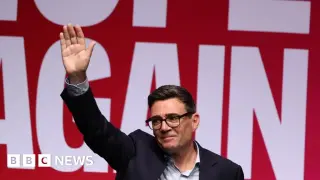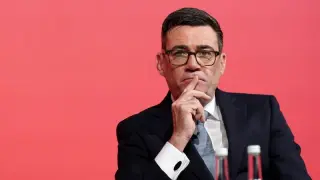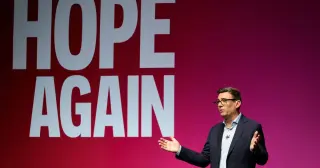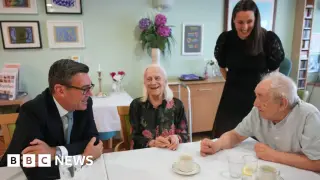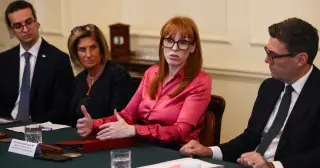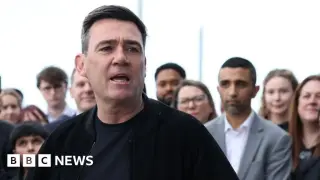
Britain’s Labour Party, led by Prime Minister Andy Burnham, pulls ahead of Reform UK in national polls for the first time in over a year, as Reform’s Trump-aligned insurgency grapples with corruption allegations and Labour benefits from Burnham’s energetic early weeks in office.
Bev Craig has been elected as Greater Manchester’s new mayor, succeeding Andy Burnham after he became prime minister. The Labour candidate won with 309,525 votes to Reform’s Sian Astley’s 157,178. Craig, a longtime Manchester City Council leader and former deputy mayor, vows to deliver the region’s next chapter, including 50,000 new homes over 15 years, freezing Metrolink and Bee Network fares, extending free bus travel to 11–18-year-olds, and backing town-centre regeneration and social care improvements.
Labour’s Bev Craig has been elected Greater Manchester’s new mayor, succeeding Andy Burnham after a by-election triggered by his move to Parliament. Craig led the first round with 46.5% of votes and, after counting second-preference votes, defeated Reform UK’s Sian Astley 309,525 to 157,178; turnout was just under 25% across ten boroughs. A former Manchester City Council leader and GMCA deputy mayor for economy, she pledged to defend the city region and push for a better life for residents.
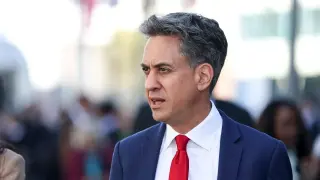
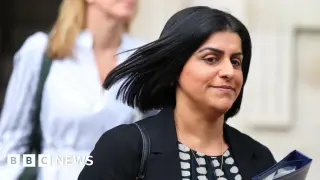
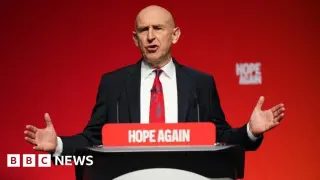
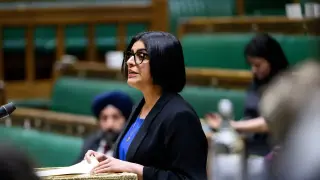
Andy Burnham becomes UK prime minister, replacing Keir Starmer, and unveils an agenda to end rough sleeping with £340m over five years, launch a 10-year plan to rebuild the economy, and bring life’s essentials under public control, alongside cost‑of‑living relief and education reforms; his cabinet includes John Healey as chancellor, Ed Miliband as foreign secretary, Shabana Mahmood as home secretary, and Louise Haigh heading the Cabinet Office as first secretary of state, with further appointments expected. In a lectern-free Downing Street address, Burnham stressed restoring stability after political churn and followed Starmer’s farewell.
Andy Burnham has unveiled his first Labour cabinet after taking over from Sir Keir Starmer, naming John Healey as chancellor, Louise Haigh as Chancellor of the Duchy of Lancaster and first secretary of state, Ed Miliband as foreign secretary, Shabana Mahmood as home secretary, Yvette Cooper as health secretary, and Pat McFadden as work and pensions secretary; Haigh will also run a new Number 10 North unit to rebalance power to regions. Burnham says the line-up shifts power away from Whitehall, aims to reform utilities and housing, and keeps Labour’s pledge not to raise core income tax, VAT, or National Insurance.
Andy Burnham becomes Britain’s prime minister after Keir Starmer steps down amid defeats, pledging a bold, people-first reform agenda and a shift of power back to citizens while navigating cabinet infighting, a cost-of-living crisis, NHS revival, and a Reform UK challenge; the handover followed a ceremonial audience with the king at Buckingham Palace.
Labour leader Andy Burnham is poised to become the UK’s seventh prime minister in a decade, with King Charles expected to appoint him and markets watching his inaugural policy stance. Trump praised Burnham’s plan to accelerate North Sea oil exploration, while analysts warn the new PM faces questions on funding potential spending, social care reforms, and possible tax changes such as inheritance and council tax, all while trying to stay within fiscal rules.
Andy Burnham, Labour’s leader and former Greater Manchester mayor nicknamed the 'King of the North,' is set to become the UK’s 59th prime minister after Labour won the leadership following Keir Starmer’s resignation. He will be invited by King Charles III to form a government, return to Parliament, and deliver his first address from 10 Downing Street, with priorities including making life more affordable and reducing regional inequalities; early talks have floated measures such as placing Thames Water under Special Administration. The next general election remains due in 2029, and the transition is expected to be swift with the traditional 'kissing hands' ceremony.
Andy Burnham becomes the UK’s prime minister after Labour leader Keir Starmer resigns, inheriting a stagnant economy with limited fiscal room, a fragile bond market, and a Labour base that has drifted in polls; his challenges include balancing defence spending with welfare, possibly expanding North Sea drilling, navigating tense UK-China and US relations, refining Gaza diplomacy, and countering Reform UK’s rise while trying to translate policy into tangible improvements for ordinary voters.
UK Labour leader Andy Burnham will scrap the plan for a mandatory government-issued digital ID for all adults, redirecting the resources to cost-of-living relief and other everyday priorities, while signaling plans to pursue North Sea oil and gas drilling in line with Labour's manifesto.
Andy Burnham, formerly Greater Manchester mayor, has risen to UK prime minister after becoming Labour leader, pledging to devolve power away from London, move parts of the PM’s office to Manchester, and pursue a major social housing program while increasing regional public control of services. Details on funding and energy/water policy remain unclear as he prepares to govern on Labour’s 2024 manifesto and rules out an early election.
New Labour leader Andy Burnham kicks off a long, campaign-focused premiership ahead of a 2029 general election, pushing a reindustrialization agenda and public control of key utilities, while shifting to a more personal, broadcast-friendly messaging. He inherits Starmer’s policy slate but faces a tight two-year window to deliver and navigates Labour’s funding/staffing challenges amid Reform UK competition. The party’s manifesto work will continue via the National Policy Forum with limited expected impact, and while an early election is debated, insiders stick to a 2029 timeline.
Labour leader Andy Burnham says he is finalising his cabinet and will announce it on Monday as he takes over as prime minister, signaling a team that reflects all parts of the party and communities while prioritising social-care reform and greater devolution.
Andy Burnham, the former mayor of Greater Manchester, has won the Makerfield by-election and is set to become Labour's leader and Britain's next prime minister, replacing Keir Starmer, with the party able to delay a general election until 2029. A left-leaning reformer focused on infrastructure, housing and regional empowerment, Burnham would carry a broad domestic agenda and commit to NATO and Ukraine, while critics say he lacks recent national-security experience. He has long criticized Donald Trump, a stance that could shape Britain’s relationship with the U.S. as he ascends to Downing Street.
Jeremy Corbyn rejected Keir Starmer’s claim that Labour was “institutionally antisemitic” under his leadership, saying no such finding exists and accusing Starmer of misrepresenting the EHRC report. He argued the PM is overstating the issue to bolster his position, noted past inquiries (EHRC, Forde Report), and pledged to continue campaigning for social justice and human rights.