
Burnham Launches 'Your First Home' Scheme to Aid 2.5% Deposit Buyers
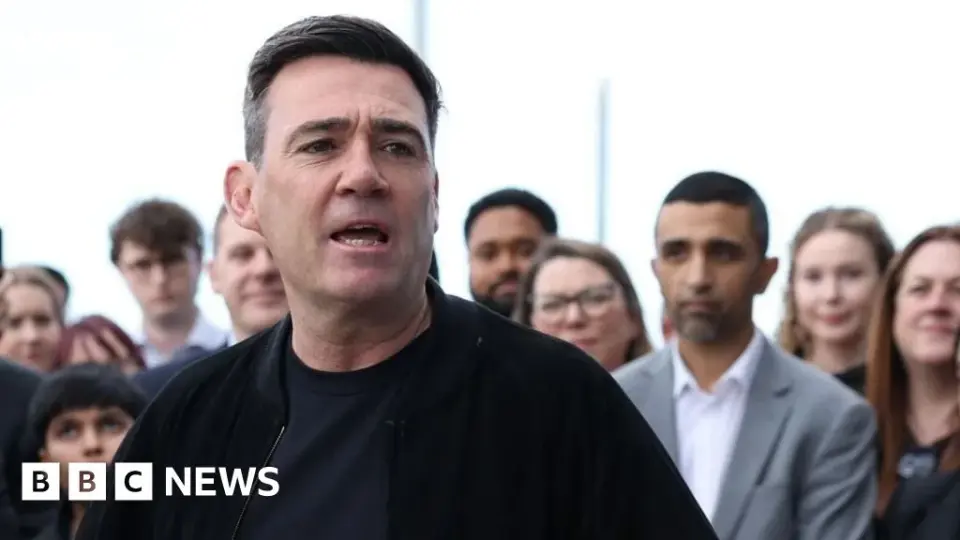
Prime Minister Andy Burnham has announced a new government-backed equity loan scheme called 'Your First Home' to assist first-time buyers in England. The initiative offers a 20% loan on new-build properties, requiring only a 2.5% deposit, with an initial interest-free period. The policy aims to support those without family financial support, funded by reprioritized budgets and developer fees. While the Home Builders Federation welcomed the move, Conservatives criticized it as increasing debt and potentially raising house prices. Details, including income caps and price limits, are expected in the upcoming Budget.
Key points
- The 'Your First Home' scheme provides a 20% equity loan for new-build homes, requiring a minimum 2.5% deposit.
- The loan includes an initial interest-free period, with full details to be released in next month's Budget.
- Funding will come from reprioritizing existing government budgets, with developers paying fees to cover running costs.
- The scheme targets buyers without 'bank of mum and dad' support, excluding high earners via income and deposit caps.
- Conservatives argue the policy increases buyer debt and may push up new home prices, calling it an admission of failure.
Background
This announcement follows Burnham's earlier criticism of Brexit and Thatcher for economic stagnation, where he pledged to cut living costs and expand public control. It also builds on his recent foreign policy engagements, including meetings with Canadian PM Mark Carney and US President Donald Trump, where he signaled shifts in trade and defense alignment. The housing policy reflects his broader strategy to address cost-of-living pressures and housing shortages, as noted in his first Commons address.
How outlets are covering it
The BBC and The Guardian highlight the scheme's focus on excluding high earners and those with family support, emphasizing its role in addressing affordability barriers. The Guardian notes that previous iterations of Help to Buy were criticized for benefiting those who could already afford homes, whereas this version aims to target those in genuine need. The Telegraph was inaccessible due to a security block, so no perspective could be extracted. Conservatives, via Katie Lam, argue the scheme forces buyers into more debt and risks inflating prices, while the Home Builders Federation supports the plan as a meaningful step for struggling households. Angela Rayner acknowledged the slim chance of meeting the 1.5m home target but defended the new scheme as a necessary adjustment.
Why it matters
The scheme directly impacts thousands of young people struggling to enter the property market, potentially reducing the barrier of high deposits. It signals a shift in Labour's housing strategy from supply-side focus to demand-side support, which could influence future housing affordability and construction rates. The political debate over debt versus supply highlights the ongoing tension in UK housing policy, with implications for both buyers and developers.
What to watch
Detailed terms of the 'Your First Home' scheme, including income caps, price limits, and funding specifics, will be announced in the upcoming Budget. Registration for the scheme is expected to open by the end of 2026. The government will also implement changes to empty dwelling management orders, reducing the vacancy period from two years to six months to accelerate the return of long-term empty homes to the market. Further political debate is likely as the Conservatives push for alternative housing solutions, such as scrapping stamp duty.
- Burnham announces scheme to help first-time buyers onto housing ladder BBC
- Andy Burnham announces new homes scheme for first-time buyers The Guardian
- UK to Offer Loans to First-Time Buyers to Boost Home Ownership Bloomberg.com
- New scheme to get first-time buyers on housing ladder announced by Andy Burnham Sky News
- Burnham set to launch new Help to Buy scheme The Telegraph
Want the full story? Read the original reporting
Read on BBC