The International Monetary Fund has raised its 2026 growth forecast for the UK to 1.3%, citing resilience against the Iran war and AI investment, though it warns of a slowdown and higher inflation in 2027.
The International Monetary Fund (IMF) has upgraded its forecast for UK economic growth in 2026 to 1.3%, up from 1.0% in July, despite ongoing energy price shocks from the US-Iran war. However, growth is expected to slow to 1.2% in 2027 as higher energy costs and interest rates weigh on spending. Chancellor John Healey faces a £35bn funding gap in his October 28 Budget, balancing debt consolidation with household support. The IMF praised the UK for leading G7 debt reduction, while inflation is projected to average 3.3% this year and 2.8% in 2027, remaining above the Bank of England’s 2% target.
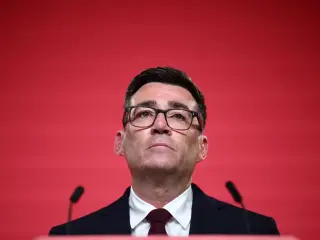
UK Prime Minister Andy Burnham has signaled that reversing Brexit could be a policy option, stating that rejoining the European Union is 'possible' and that the current relationship is 'not good enough.' While he ruled out an immediate referendum, he suggested it could appear in a future election manifesto. This move has drawn sharp criticism from Reform UK leader Nigel Farage, who claims it will boost his party's support, while economists debate the economic costs and benefits of closer EU ties.
Prime Minister Andy Burnham has announced a new government-backed equity loan scheme called 'Your First Home' to assist first-time buyers in England. The initiative offers a 20% loan on new-build properties, requiring only a 2.5% deposit, with an initial interest-free period. The policy aims to support those without family financial support, funded by reprioritized budgets and developer fees. While the Home Builders Federation welcomed the move, Conservatives criticized it as increasing debt and potentially raising house prices. Details, including income caps and price limits, are expected in the upcoming Budget.
European stocks opened higher with the Stoxx 600 up about 0.3% as travel/leisure and banks lead gains, while the UK’s July GDP rose 1.6% year-on-year and 0.4% month-on-month, boosting the pound and pushing gilts lower. In the U.S., the 10-year Treasury yield neared 5% amid persistent selling in bonds, with the 30-year around 5.36%. Brent crude topped $108 and WTI near $103 as Middle East tensions support prices. Shanghai-listed Enflame jumped about 206% on its IPO debut, Oracle beat on revenue and earnings, and U.S. stock futures held small gains ahead of the CPI release. Across Asia, markets were mixed with declines in Japan and Korea.
Chancellor John Healey is due to deliver an upbeat speech claiming the UK economy is turning a corner and presenting a resilient, growth‑oriented “new story,” backed by a £150m fund to back innovative firms in the North and a plan to use public investment to unlock private investment, even as borrowing costs and inflation pressures pose challenges ahead of the October Budget.
In his first Commons speech as prime minister, Andy Burnham blames Brexit and Margaret Thatcher for a long spell of slow growth and pledges a blunt, honesty-based reset. He outlines three priorities—cutting the cost of living, regenerating communities, and expanding public control of essential services—with deputy-led task forces to drive them. He signals potential renationalisation of utilities, maintains a defence spending target of around 3% of GDP, keeps doors open to electoral reform, and hints at re-engagement with the EU, including a possible summit later this year and continued pursuit of green energy alongside pragmatic gas exploration. Starmer’s resignation as an MP also sets up a byelection test for Burnham, while the government weighs reforms to high streets and devolved powers to local authorities.
PwC finds 46% of UK households live in areas where economic growth does not boost spending power, revealing a North–South divide in prosperity; London and the South East fare better while the North and Midlands lag, prompting calls for more devolution to let local areas keep and use growth gains.
Millennials in the UK still have far lower odds of owning a home than previous generations; decades of house price growth outpacing incomes and a long-term housing shortfall driven by high construction costs, planning barriers, and labor shortages have kept deposits high and rents consuming a large share of income. While recent price growth has slowed and some lenders are offering larger loans with smaller deposits, meaningful relief requires years of higher housing supply and planning reforms.
JPMorgan Chase chief Jamie Dimon warned UK chancellor John Healey against higher bank taxes, saying extra levies could push financial jobs abroad and hamper growth; he spoke during a pre-budget lobbying push by the sector, noting existing bank levies and profit surcharges while banks debate the merits of windfall taxes.
BoE MPC member Lombardelli says her vote this month was decisive as the Bank of England held Bank Rate at 3.75% by a 6–3 margin. The decision comes amid volatile energy prices tied to the Middle East conflict, with traders trimming bets on a September rate hike to under 40%. The MPC warned energy shocks could lift inflation and stressed readiness to act if needed, noting the outlook remains sensitive to unfolding events.
A YouGov poll of about 4,600 UK adults found 73% would take £50,000 immediately instead of a 50/50 chance at £1,000,000; 21% choose the gamble and 6% were undecided. Women were more risk-averse (82% chose £50k) than men (63%), while younger adults (18–24) showed more willingness to take the risk. Experts attribute the bias to loss aversion and the fear of losing guaranteed cash. The piece also notes that while historically investing £50k could have reached £1m, past performance isn’t a guarantee for the future.
Andy Burnham becomes the UK’s prime minister after Labour leader Keir Starmer resigns, inheriting a stagnant economy with limited fiscal room, a fragile bond market, and a Labour base that has drifted in polls; his challenges include balancing defence spending with welfare, possibly expanding North Sea drilling, navigating tense UK-China and US relations, refining Gaza diplomacy, and countering Reform UK’s rise while trying to translate policy into tangible improvements for ordinary voters.
Labour's Andy Burnham calls for sweeping devolution to English city regions, Scotland, Wales, Northern Ireland, and more London powers to push growth from every postcode. While Greater Manchester shows productivity gains under devolution, economists say there is no clear UK-wide growth boost yet, and London remains far ahead. International examples suggest broader devolution can narrow regional gaps, but funding costs and current fiscal rules complicate implementation. The question remains whether this policy can deliver higher national growth and reduced regional disparities.
Burnham uses a Manchester speech to push a 10-year regional devolution agenda, giving mayors more control over housing, welfare and budgets to raise living standards and spur growth across the UK; the plan draws private-sector attention for specifics on taxation and energy, while Tory rivals push for concrete Westminster scrutiny and there is no chancellor named yet.