
Burnham Pledges EU Reset for Growth and Immigration Control
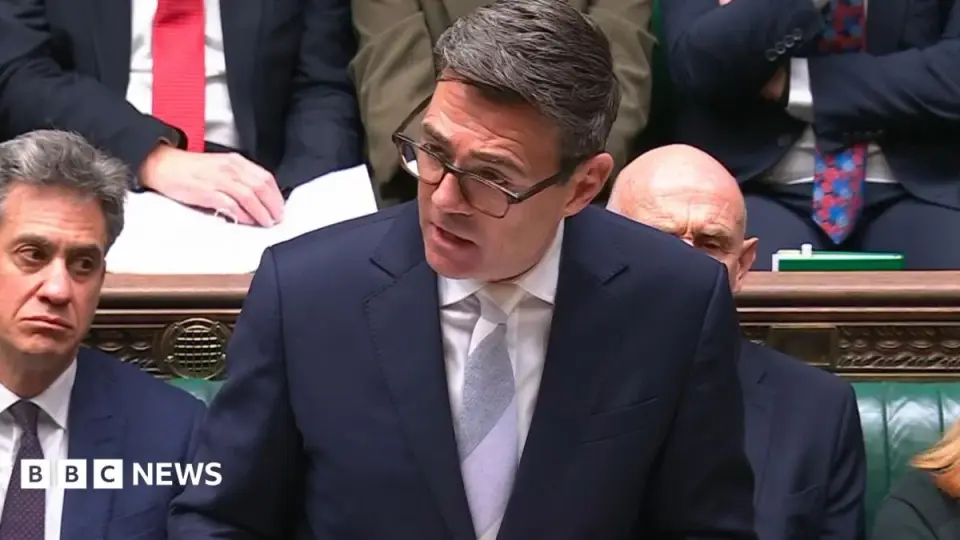
Prime Minister Andy Burnham has announced a UK-EU summit for November 20 to negotiate closer ties on youth mobility, food, and energy. He argues that these deals will boost economic growth and help tackle illegal immigration by restoring access to shared data. While Burnham commits to current Labour manifesto limits, he has not ruled out deeper integration, including potential EU rejoining, in future parliaments.
Key points
- A UK-EU summit is scheduled for November 20 to discuss 'deeper cooperation' on youth mobility, food, and energy.
- Burnham stated that Brexit has done more harm than good and that exploring closer ties is a duty to the nation.
- The government aims to regain access to the Eurodac fingerprint database to better manage asylum claims and border crossings.
- Burnham confirmed he will honor current Labour manifesto red lines but did not rule out further integration, including EU rejoining, after the next election.
- The announcement follows a period of cautious diplomacy under previous leadership, with Burnham now adopting a more expansive approach.
Background
This development follows Burnham's initial focus on domestic cost-of-living measures and public service control in September 2026. It marks a significant shift from the circumscribed relations established under Sir Keir Starmer, moving toward a more ambitious reset of the post-Brexit relationship.
How outlets are covering it
The Guardian editorial supports Burnham's move, calling it an 'overdue show of ambition' and arguing that closer ties are in Britain's interest, especially given the EU's new 'Made in Europe' strategy. They note that while Burnham is cautious for the current parliament, his eventual goal may be full rejoining. In contrast, the BBC reports on the practical constraints, noting that Burnham is bound by the current Labour manifesto's refusal to rejoin the single market or customs union, though he has not ruled out going further in the future. The BBC also highlights the specific operational benefits, such as regaining access to the Eurodac database, which was lost after Brexit and is crucial for identifying irregular migrants.
Why it matters
This policy shift could significantly impact the UK's economic trajectory and immigration controls. By seeking to restore data sharing and negotiate new trade deals, the government aims to address the economic and security gaps created by Brexit. The potential for deeper integration, including full EU rejoining, introduces a major political variable for the next election cycle, potentially uniting progressive voters but risking opposition in 'red wall' constituencies.
What to watch
The UK and EU will meet on November 20 to begin negotiations on the agreed areas of cooperation. The outcome of these talks will determine the scope of the new relationship and may set the stage for further political debates on EU membership in the next parliamentary term.
- Burnham tells MPs new EU deals could boost growth and help tackle illegal immigration BBC
- The Guardian view on Burnham’s Brexit reset: overdue, but proceed with care | Editorial The Guardian
- Burnham says Russian meddling in Europe shows need for closer UK-EU ties as he seeks a Brexit reset AP News
- EU to host Britain for summit on Nov. 20 Reuters
- Why the Prime Minister wants to talk about Brexit again BBC
Want the full story? Read the original reporting
Read on BBC