
Burnham rejects Welsh devolution demands, drawing sharp rebukes from Labour and Plaid
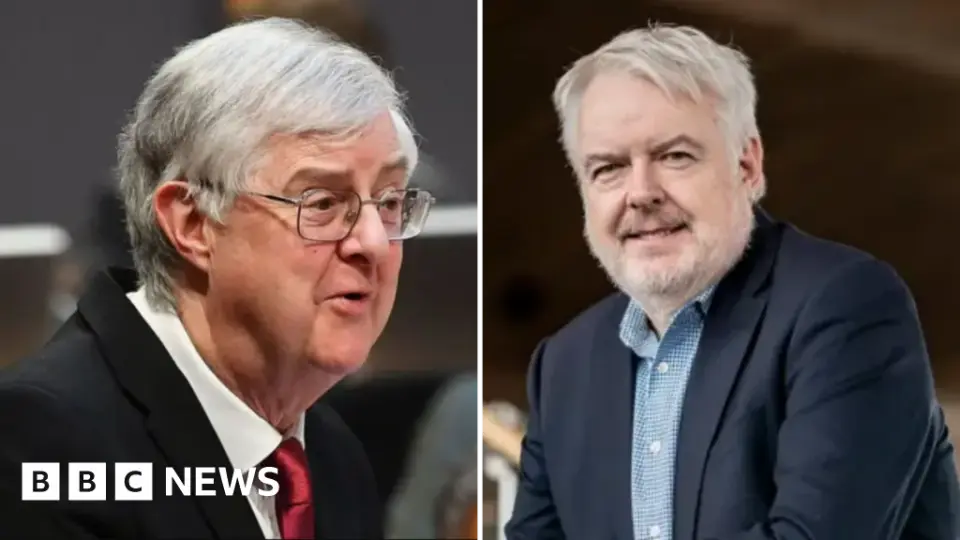
UK Prime Minister Andy Burnham has formally rejected calls to devolve powers over policing, criminal justice, rail infrastructure, and the Crown Estate to Wales. In a letter to First Minister Rhun ap Iorwerth, Burnham stated he was 'not persuaded' by the case, citing the need for an integrated policing system and shared justice resources. The decision has drawn sharp criticism from Welsh leaders, including former Labour first ministers Mark Drakeford and Carwyn Jones, who expressed disappointment, and Plaid Cymru, which accused the UK government of prioritizing unionist ideology over evidence. While Welsh Conservatives dismissed the debate as a distraction, the Welsh government vowed to continue pursuing the issue.
Key points
- Andy Burnham sent a letter on November 20, 2026, to Rhun ap Iorwerth, confirming that Westminster will retain control over policing, criminal justice, rail infrastructure, and the Crown Estate.
- Burnham argued that an integrated England and Wales policing system is essential for cross-border working and that the current justice settlement provides resilience and expertise.
- Former Labour first ministers Mark Drakeford and Carwyn Jones expressed disappointment, with Drakeford stating the UK government has not understood why Wales's needs differ from English mayoral devolution.
- Rhun ap Iorwerth described the decision as 'deeply disappointing' and stated it proves Burnham does not view Wales as an equal nation, comparing the situation to Scotland's devolved powers.
- Welsh Conservative leader Darren Millar criticized the devolution debate as an 'unnecessary distraction' from economic and NHS issues, urging both governments to focus on growth and tax cuts.
Background
This dispute follows a letter from Rhun ap Iorwerth on October 1, 2026, outlining priorities for further devolution. The issue has been ongoing since the Independent Commission on the Constitutional Future of Wales recommended devolving justice, rail, and Crown Estate powers. Recent tensions include Burnham's earlier comments suggesting Wales is not treated as an equal nation, and ongoing debates about fiscal flexibility and the 'Partnership for Growth' initiative.
How outlets are covering it
BBC and Tenby Observer highlight the strong opposition from Welsh Labour and Plaid Cymru, with former first ministers and the current first minister criticizing the rejection as unfair and lacking evidence. Welsh Conservatives, via Darren Millar, argue the devolution debate is a distraction from pressing economic and social issues. BBC notes that Burnham's position conflicts with Welsh Labour leader Ken Skates, who supports devolution, and that senior Welsh police officers are 'deeply opposed' to devolving policing. Tenby Observer emphasizes Rhun ap Iorwerth's claim that the UK government prioritizes 'unionist ideology' over evidence, while BBC cites Prof Laura McAllister's view that the rejection is 'indefensible constitutionally' and reflects 'cultural hostility' to Welsh devolution.
Why it matters
The rejection of further devolution powers could deepen political tensions between Wales and the UK government, potentially affecting Welsh Labour's electoral prospects and the broader relationship between the two nations. It may also influence future discussions on fiscal flexibility and economic cooperation, as the Welsh government continues to pursue its agenda despite the setback.
What to watch
Rhun ap Iorwerth plans to make an oral statement in the Senedd on November 24, 2026, to outline the Welsh government's next steps. The Welsh government will continue to press for devolution, while Burnham's office maintains its position. The debate may resurface in future UK-Wales negotiations, particularly regarding fiscal flexibility and the 'Partnership for Growth' initiative.
- Former first ministers 'disappointed' by PM's devolution calls rejection BBC
- Burnham does not view Wales as an equal nation, claims first minister BBC
- First minister 'gobsmacked' by Burnham's devolution calls rejection BBC
- "Get on with the job", Welsh and UK Governments told Welsh | Conservatives
- Wales’ First Minister criticises UK Government over devolution refusal Tenby Observer
Want the full story? Read the original reporting
Read on BBC