
Burnham Signals Shift on Slavery Apology but Rejects Reparations Ahead of Commonwealth Summit
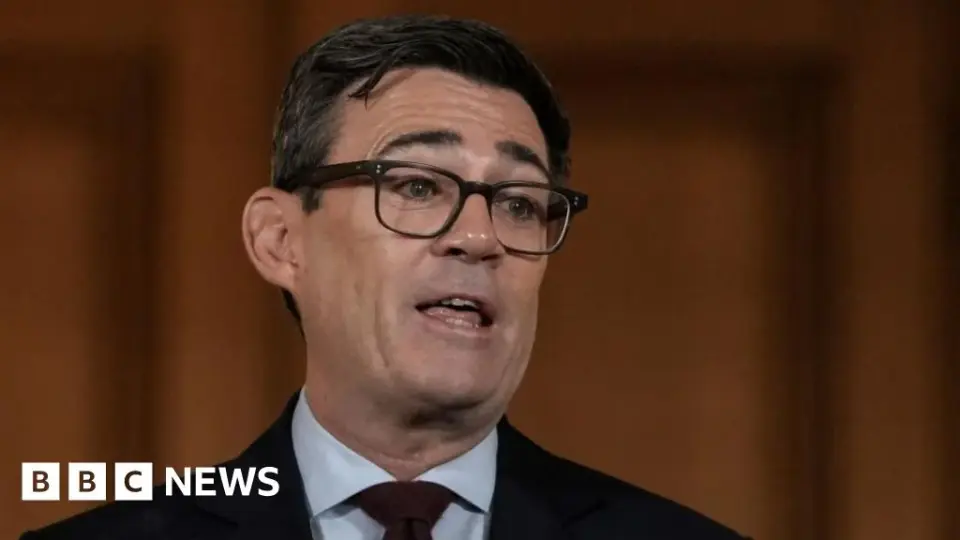
UK Prime Minister Andy Burnham has indicated openness to a formal state apology for the transatlantic slave trade but firmly rejected financial reparations. This marks a potential policy shift ahead of the Commonwealth Heads of Government Meeting in Antigua and Barbuda, where Caribbean leaders are expected to press for compensation. Burnham emphasized a 'structured dialogue' with affected nations while maintaining that modern British citizens cannot be held liable for historical wrongs.
Key points
- Prime Minister Andy Burnham stated he is 'open' to calls for a formal apology from the British state regarding the transatlantic slave trade.
- Burnham explicitly ruled out financial reparations, arguing that current British people should not be held liable for historical wrongs committed under different laws.
- The comments precede the Commonwealth Heads of Government Meeting (Chogm) in Antigua and Barbuda, where Caribbean nations are renewing demands for reparations.
- Burnham described the slave trade as a 'brutal and barbaric violation' and pledged to initiate a 'structured dialogue' with affected countries.
- The New York Times characterized Burnham's stance as a 'major shift' in British policy, potentially clearing the way for King Charles III to apologize at the summit.
Background
This development follows King Charles III’s recent nine-day Caribbean tour, during which he acknowledged the suffering of slavery but refused to offer a formal apology or reparations, adhering to previous government policy. The monarch visited sites in the Bahamas and Guyana, including the Demerara Slave Rebellion site, amidst protests demanding compensation. The upcoming Chogm summit is expected to be a focal point for these diplomatic tensions.
How outlets are covering it
The New York Times frames Burnham’s statement as a significant policy shift that may enable the King to apologize at the upcoming summit. In contrast, The Guardian presents Burnham’s own essay, which balances an offer of dialogue and potential apology with a firm rejection of reparations, citing historical liability arguments. BBC News reports the stance as consistent with predecessor policies, noting that while Burnham is 'open' to an apology, he has not committed to one, and explicitly dismisses financial compensation as 'not the right answer.'
Why it matters
This potential shift in UK policy could reshape diplomatic relations within the Commonwealth, particularly with Caribbean nations that have long sought acknowledgment and compensation for slavery. It may also influence global discussions on historical justice and reparations, setting a precedent for how nations address colonial legacies.
What to watch
The Commonwealth Heads of Government Meeting in Antigua and Barbuda will test Burnham’s commitment to the 'structured dialogue.' King Charles III’s participation and any formal statements made at the summit will determine if the UK moves toward a formal apology. Additionally, Burnham’s proposed debt relief initiatives for vulnerable Commonwealth nations may serve as an alternative to direct reparations.
- Burnham 'open' to calls for slavery apology but not reparations BBC
- Britain’s Prime Minister Says He’s Open to a Formal Apology for Slavery The New York Times
- British people can’t be made to pay for the wrongs of slavery – but we must confront our complicated history The Guardian
- King Charles' sorrow over slavery faces test as reparations movement gains ground Reuters
- King visits Guyanese slave rebellion site on Caribbean tour BBC
Want the full story? Read the original reporting
Read on BBC