
Burnham’s Brussels Gambit: Reopening the Brexit Debate Amid Russian Interference Claims
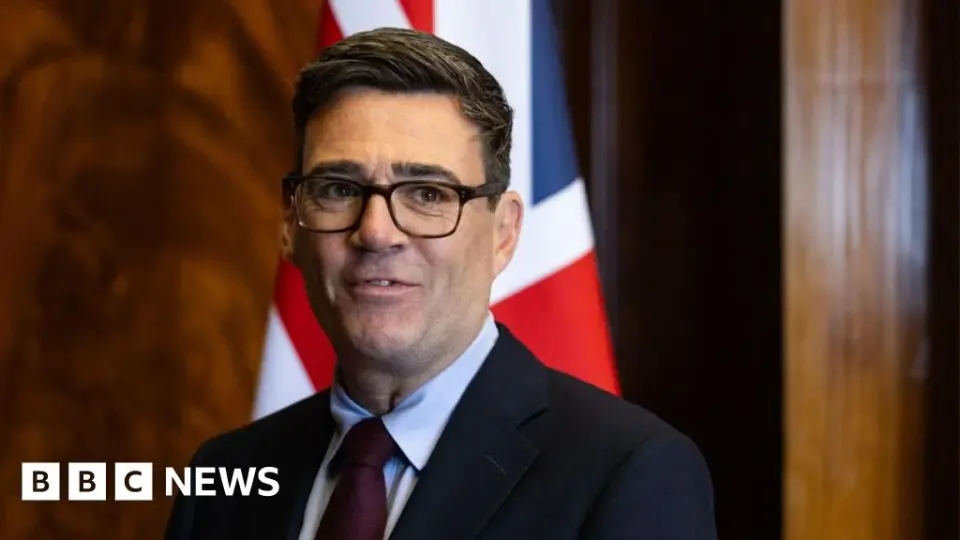
UK Prime Minister Andy Burnham has launched a major push to renegotiate the UK’s post-Brexit trade deal, arguing that the current status quo harms the economy and immigration control. Ahead of a November 20 summit in Brussels, Burnham claims Russian interference in the 2016 referendum, a statement that has sparked fierce political backlash. While he promises public sovereignty over any future decisions, critics argue he is undermining the legitimacy of the original vote.
Key points
- Burnham will attend a UK-EU summit in Brussels on November 20 to discuss deepening ties, focusing on youth mobility, food exports, and energy.
- The Prime Minister claims it is 'clear' that Russia interfered in the 2016 Brexit referendum, though he did not provide specific evidence in his Commons address.
- Burnham asserts that the British public will be the 'boss' of any future decisions, including potential referendums, but refuses to rule out joining the single market or accepting freedom of movement in the long term.
- Conservative leader Kemi Badenoch and Reform UK leader Nigel Farage have accused Burnham of lying and casting doubt on the legitimacy of the 2016 result.
- Burnham estimates that revised deals could boost the UK economy by £10 billion per year and restore access to EU immigration databases like Eurodac.
Background
The UK left the European Union at 23:00 on January 31, 2020, following a referendum held on June 23, 2016. For years, the topic dominated Westminster, but political parties largely avoided discussing it after the departure. Recent opinion polls cited by the Financial Times suggest 59% of Britons now want to rejoin the EU, a shift Burnham aims to exploit. This renewed debate follows earlier European discussions, such as Iceland’s 2026 vote against resuming EU talks, which highlighted the complexities of re-engagement.
How outlets are covering it
BBC and Al Jazeera report Burnham’s stance as a pragmatic attempt to fix economic damage and control illegal immigration, noting his refusal to rule out future single market membership. The Guardian highlights the intense parliamentary clash, where Burnham was challenged by MPs from both Labour and Conservative parties regarding freedom of movement and the legitimacy of the 2016 vote. The Financial Times offers a strategic analysis, suggesting that while political momentum for rejoining is growing, technical obstacles like budget rebates and Schengen opt-outs remain formidable. It also notes that French President Emmanuel Macron and Spanish Prime Minister Pedro Sánchez have expressed openness to closer ties, though some UK advisers fear France may act as a hardline negotiator. Conversely, opposition figures like Lord Frost and Boris Johnson argue that Burnham’s interference claims are unfounded and that the 2016 result must be respected without further debate.
Why it matters
This marks the first time a UK Prime Minister has openly acknowledged potential Russian interference in the Brexit referendum, potentially destabilizing the political consensus that the 2016 vote was legitimate. The move could reshape UK-EU relations, impacting trade, immigration, and security cooperation. If successful, it may signal a broader shift in British public opinion and set the stage for a potential referendum on EU re-membership in the next decade, fundamentally altering the UK's geopolitical alignment.
What to watch
The immediate focus is the UK-EU summit in Brussels on November 20, where Burnham aims to secure agreements on youth mobility, food and drink regulations, and energy. Following this, the government plans to initiate a 'serious dialogue' about long-term relationship options. The political fallout from the Russian interference claim will likely dominate the next few weeks, with opposition parties pressing for evidence and Burnham defending his position as a matter of democratic integrity.
- Why the Prime Minister wants to talk about Brexit again BBC
- Burnham says ‘public will be the boss’ in any future decision about closer relationship with the EU – as it happened The Guardian
- Burnham hopes for EU deal next month, stirs Brexit debate Reuters
- UK PM Andy Burnham vows to renegotiate post-Brexit trade deal with EU Al Jazeera
- Britain, Brexit and the cat-flap option Financial Times
Want the full story? Read the original reporting
Read on BBC