
NATO Commander Details 'Block, Blunt, Break' Strategy Amidst US-Russia Energy Deal
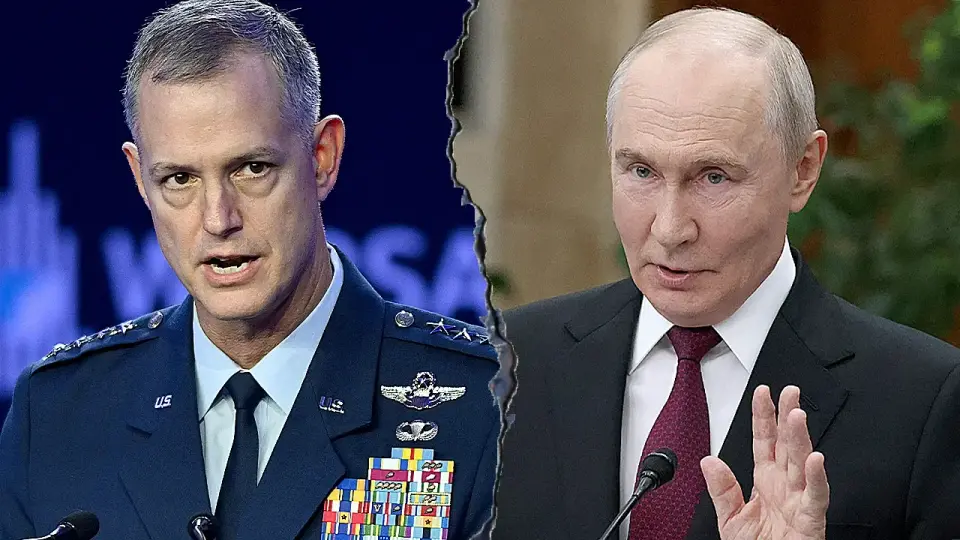
NATO's top military commander, Gen. Alexus Grynkewich, outlined a three-phase strategy to counter potential Russian aggression during a speech in Warsaw. While the alliance emphasizes readiness to 'break' enemy warfighting systems, this stance contrasts with Washington's recent diplomatic efforts to ease energy prices through a deal with Moscow, creating tension with Ukraine and European allies.
Key points
- Gen. Alexus Grynkewich presented NATO's 'theory of victory' at the Warsaw Security Forum, detailing a plan to block, blunt, and break any Russian attack on alliance territory.
- The strategy involves targeting not just attacking forces but also the infrastructure that supports and controls them, aiming to render any assault 'utterly futile.'
- This military posture coincides with a diplomatic rift: President Trump announced a deal with Russia to increase diesel supplies to global markets, a move that provoked criticism from Ukraine and European allies.
- Ukraine has interpreted recent US requests to halt attacks on Russian refineries as a threat to cut off weapons and intelligence support, highlighting a split in US policy between energy concerns and security commitments.
- The context includes escalating Russian hybrid warfare, including drone incursions in Poland and Romania, and nuclear threats regarding the Kaliningrad exclave.
Background
Recent months have seen heightened tensions along NATO's eastern flank, including Russian drone incursions into Polish and Romanian airspace and suspected sabotage operations. In September, Russia issued nuclear warnings regarding its Kaliningrad exclave. Prior to this week, NATO had already launched Operation Eastern Sentry to bolster defenses, and European leaders had pledged to increase defense spending to 5% of GDP by 2035.
How outlets are covering it
Fox News emphasizes the military strength and deterrence aspect of Grynkewich's speech, framing it as a decisive response to Russian threats. The Washington Post highlights the internal US conflict, noting that while military officials warn against Russia, the Trump administration is simultaneously pressuring Ukraine to stop attacking Russian refineries to lower energy prices before the midterm elections. The New York Times focuses on the strategic shift, describing the public disclosure of the 'theory of victory' as a move to bolster confidence among 32 allied nations amidst a backdrop of Russian hybrid warfare and disinformation.
Why it matters
The divergence between NATO's military deterrence strategy and the US administration's energy-focused diplomacy with Russia creates uncertainty for European allies and Ukraine. It raises questions about the reliability of US support for Ukraine and the potential for a fragmented Western response to Russian aggression, potentially emboldening Moscow to continue its hybrid and conventional provocations.
What to watch
The situation will likely evolve based on the implementation of the US-Russia diesel deal and the reaction of European allies. Ukraine may adjust its military strategy in response to US pressure, while NATO will continue to monitor Russian hybrid activities. The upcoming midterm elections in the US may further influence the administration's approach to energy and foreign policy.
- NATO warns Russia: 'We will break' forces, destroy 'anything and everything' if you attack Fox News
- U.S. and NATO commander vows to thwart Moscow, warns Kyiv over refinery strikes The Washington Post
- NATO general sets out tough military response to any 'foolish' Russian attack Reuters
- NATO Commander Says Ukraine Aid Will Deter Putin’s Europe Threat Bloomberg.com
- NATO Details Plan to Shield Ukraine’s European Allies From Russia The New York Times
Want the full story? Read the original reporting
Read on Fox News