
Burnham’s EU reset faces parliamentary scrutiny amid tuition fee deadlock
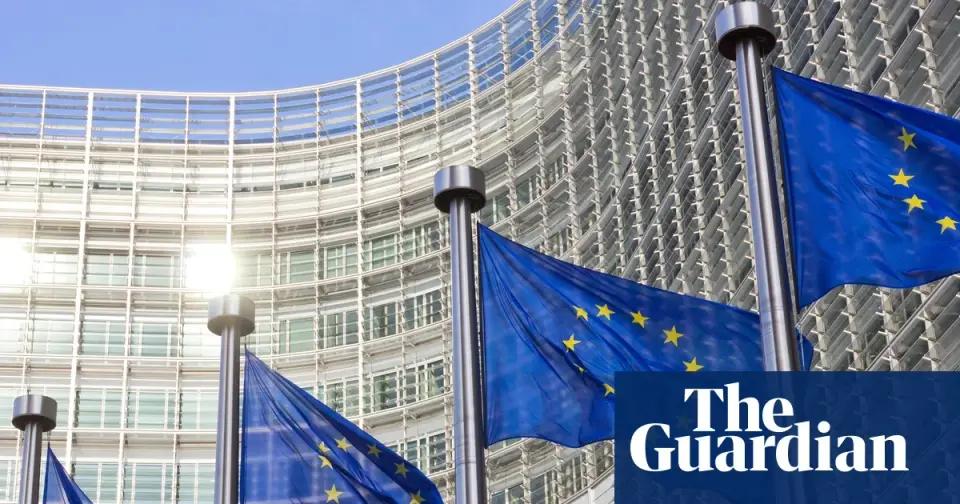
UK Prime Minister Andy Burnham briefed MPs on a new EU deal covering food, emissions, and youth mobility, claiming it will add £17bn to the economy. While Burnham insists rejoining the EU requires a referendum, the agreement remains stalled over unresolved tuition fees for European students. Critics argue the deal is a political performance, while supporters view it as a necessary correction to post-Brexit isolation.
Key points
- Burnham confirmed the UK will not rejoin the EU without a public referendum, calling such a move 'unthinkable' in the current context.
- The new agreement includes a youth mobility scheme allowing up to 100,000 EU and UK citizens aged 18-31 to work and study in each other's territories annually.
- The deal is conditional on the UK resolving a dispute over premium tuition fees for EU students at British universities, a point of contention for member states like France and Italy.
- Burnham promised a 10-year plan outlining long-term EU relations, but emphasized that no major changes will occur before the 2029 general election.
- The agreement aims to reduce trade barriers on food and drink and link emissions trading systems, with implementation targeted for 2028.
Background
This development follows the 2016 Brexit referendum and subsequent trade agreements. Recent archive coverage indicates that while core trade and mobility measures are set to proceed, the unresolved tuition fee issue threatens the broader package. The current 'reset' is part of a broader incrementalist approach to UK-EU relations, moving away from the 'hard Brexit' model established in 2020.
How outlets are covering it
The Guardian frames the deal as a culmination of incrementalist policy, noting that while Burnham is 'determined' to explore rejoining, the EU’s changing political landscape, including rising far-right influence, complicates the appeal of full membership. The BBC highlights a sharp divide in Westminster: Conservative leader Kemi Badenoch accused Burnham of 'overselling' the deal and acting as a 'rule-taker,' while Green Party leader Zack Polanski argued the UK is 'much better' inside the EU bloc. Politico notes internal Labour tensions, with some ministers fearing a backlash in working-class heartlands, and describes Burnham’s approach as a 'calm, constructive' consideration of options rather than an immediate push for reintegration. The BBC also reports that the Fresh Produce Consortium warns the deal could raise food prices by £300m annually due to new import checks, contradicting Burnham’s claims of cost savings.
Why it matters
The outcome of this negotiation will determine the trajectory of UK-EU relations for the next decade. If the tuition fee dispute is not resolved, the entire package may collapse, leaving the UK in a state of regulatory limbo. Furthermore, the debate over rejoining the EU could reshape British domestic politics, potentially alienating traditional Labour voters in the lead-up to the 2029 election. The deal also signals a shift in global trade dynamics, as the EU’s 'Made in Europe' strategy and new defense funds like Safe create incentives for closer integration that the UK currently lacks.
What to watch
Burnham is expected to present a 10-year plan for UK-EU relations before the end of the year. The next UK-EU summit is scheduled for 2027, where the status of the tuition fee dispute and potential further integration will be reviewed. The UK general election is currently scheduled for the summer of 2029, which will likely be the next major test of public support for closer EU ties.
- Monday briefing: What could Andy Burnham’s reset mean for the UK? The Guardian
- Burnham setting out new UK-EU deal in the House of Commons BBC
- Andy Burnham’s EU deal leaves Brexit open to question The Guardian
- Britain Announces Brexit Reset Deal at E.U. Summit: What to Know The New York Times
- The question gripping British politics Politico
Want the full story? Read the original reporting
Read on The Guardian