
Burnham’s First Budget Delivers Temporary Relief, Not Radical Change
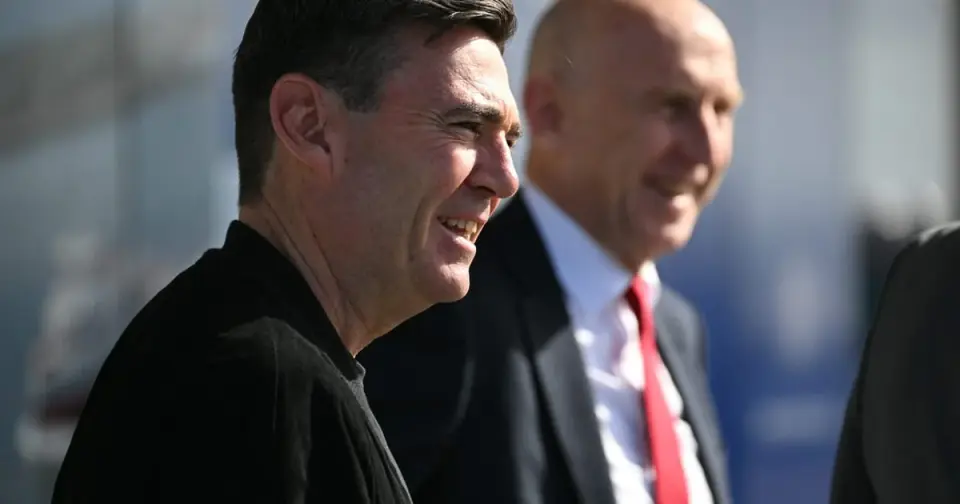
Chancellor John Healey unveiled a cautious UK budget on October 28, 2026, prioritizing short-term stability over the radical reforms promised by Prime Minister Andy Burnham. The 150-page document introduced a £100 energy payment for low-income households in England and a £10 billion support package for Ukraine, but deferred major structural changes to 2027. Critics argue the measures are too modest to address rising costs, while the government cites global economic instability from the US-Iran conflict as justification for a gradual approach.
Key points
- The budget includes a £100 cash payment for households in council tax bands A-D in England, funded by a temporary 15-month rise in bank corporation tax from 3% to 6%.
- Healey announced a £10 billion package for Ukraine, which Zelenskyy welcomed, though civil servants warned about value for money.
- Defense spending is set to reach 3% of GDP by 2030, with a £1.8 billion annual gap to be filled by cutting 1% from other departments' capital budgets.
- The Office for Budget Responsibility cut UK growth forecasts for 2027 from 1.6% to 1% due to high oil prices and the Iran war.
- Major reforms to welfare and devolution are delayed until after November reviews, with a full spending review scheduled for 2027.
Background
Burnham took office 100 days ago promising to end 40 years of neoliberalism. Previous coverage highlighted that households have exhausted their ability to cut costs, with real income growth stagnating. The government has faced internal friction over energy decisions and welfare timelines, with Burnham refusing to set arbitrary cut dates before the 2029 election.
How outlets are covering it
Politico characterizes the budget as a 'holding pen' of temporary measures, noting that many tax tweaks are technical and limited. The Institute for Fiscal Studies called the package a 'hodgepodge' of fiddly measures that will do little to boost growth. Conversely, the BBC focused on the practical impact of the £100 payment, noting that while it helps, typical energy bills are forecast to rise by £276 to £469, leaving many households worse off. The Financial Times, behind a paywall, suggests the spending plans strain credibility among economists. Opposition figures, including Kemi Badenoch and the left-wing group Mainstream, criticized the budget as insufficient, with Mainstream demanding 'radical action' rather than incremental steps. Healey defended the approach as necessary 'breathing space' amid global economic storms fueled by the US conflict with Iran.
Why it matters
The budget sets the fiscal tone for Burnham’s tenure, balancing immediate cost-of-living relief against long-term structural reforms. The reliance on temporary measures and deferred spending reviews creates uncertainty for businesses and households, while the high debt interest and record tax take raise concerns about long-term sustainability. The outcome of the 2027 spending review will determine whether the government can deliver its promised '10-year plan' or remains constrained by global economic shocks.
What to watch
Healey will publish a fiscal devolution roadmap and await reports from Stephen Timms and Alan Milburn on welfare in November. A full spending review is expected in 2027 to detail how defense spending will reach 3.5% of GDP by 2035. The government must also navigate the volatile oil market and potential further energy bill increases in January 2027.
- 5 takeaways from Andy Burnham’s first budget POLITICO.eu
- Andy Burnham’s government talks of change, then does nothing The Economist
- John Healey’s Budget spending plans strain credibility, economists warn Financial Times
- Will I get the £100 energy payment and when will I receive it? BBC
- Healey Defends Scale of UK Budget And Warns Hard Decisions Ahead Bloomberg.com
Want the full story? Read the original reporting
Read on POLITICO.eu