
Burnham's Russia claim reignites Brexit debate amid intelligence caveats
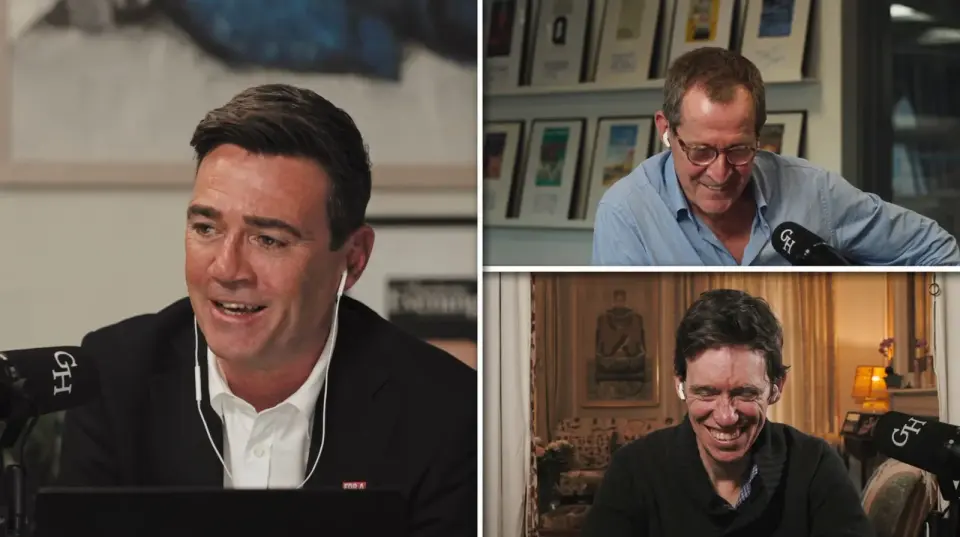
UK Prime Minister Andy Burnham has asserted that Russia interfered in the 2016 Brexit referendum, a claim that has triggered a political storm. While Downing Street clarified that the government does not believe the interference changed the vote's outcome, critics argue the statement is a pretext to delegitimize the result and justify rejoining the EU. Intelligence chiefs and former officials have pushed back, noting that while Russian activity occurred, its impact was minimal and previous investigations found no evidence of successful manipulation.
Key points
- Andy Burnham stated in an interview that he received a 'clear' answer from security services that Russia interfered in the 2016 referendum, though he offered no specific details.
- Downing Street later clarified that while interference was attempted, the government does not believe it swayed the final result, contradicting some interpretations of Burnham's initial comments.
- MI5 chief Sir Ken McCallum warned against overstating the impact of Russian trolls, describing their efforts as 'comparatively unimpressive' and cautioning that such debates play into adversaries' hands.
- Former PM Boris Johnson and Reform UK leader Nigel Farage accused Burnham of lying, citing previous security assessments that found no evidence of successful interference.
- Pro-EU groups, including European Movement UK, welcomed the comments as confirmation of long-held suspicions, while critics link the narrative to broader EU strategies to suppress populist movements.
Background
This controversy follows Burnham's earlier suggestions that his party might support a referendum on rejoining the EU. Previous investigations, including a 2020 parliamentary report and an inquiry by the Information Commissioner, found no evidence that Russian interference altered the 2016 vote. The current debate mirrors similar patterns in other European countries, where allegations of Russian influence have been used to justify censorship and electoral interventions.
How outlets are covering it
UnHerd argues that Burnham is using the 'Russian bogeyman' to delegitimize the 2016 result and pave the way for EU reintegration, noting that previous investigations found no evidence of successful interference. The Guardian contends that while the impact may have been minimal, the geopolitical context of Russian aggression makes the interference claim relevant to the broader argument for closer EU ties. The BBC highlights the nuance in official responses, noting that while interference occurred, its impact is debated, and MI5 has cautioned against amplifying the narrative. The Washington Post reports that the comments sparked fury and required clarification from Downing Street, emphasizing the political fallout and the contrast with previous premiers' positions.
Why it matters
The dispute highlights the ongoing tension between democratic legitimacy and security narratives in UK politics. It raises questions about the role of foreign interference in domestic elections and the potential for such claims to be used to justify authoritarian measures or reverse democratic outcomes. The debate also reflects broader European trends where allegations of Russian influence are increasingly used to suppress dissent and consolidate power.
What to watch
Expect continued political debate over the legitimacy of the 2016 referendum and the potential for a new referendum on EU membership. Intelligence agencies may face pressure to provide more detailed assessments of past interference, while pro-EU and anti-Brexit factions will likely continue to leverage the narrative for their respective agendas.
- Why Rejoiners need the Russian bogeyman UnHerd
- Brexiters can’t cope with the fact that Putin was cheering them on | Rafael Behr The Guardian
- UK PM Burnham says Russia interfered in 2016 Brexit vote Reuters
- MI5 chief warns against overstating Russian interference in Brexit vote BBC
- U.K. prime minister accuses Russia of meddling in Brexit vote The Washington Post
Want the full story? Read the original reporting
Read on UnHerd