
Turkey's Kekova Discovery Rewrites History as World's Oldest Shipwreck
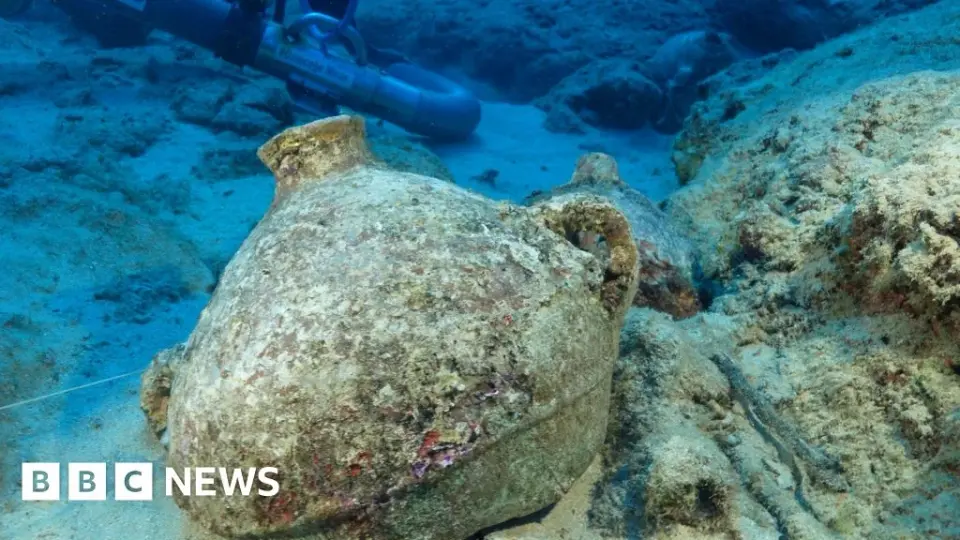
Archaeologists have identified a 4,700-year-old shipwreck off Kekova Island in Turkey, making it the oldest known vessel in the world. The Early Bronze Age trade vessel, which pre-dates the Great Pyramid of Giza, carried ceramic amphorae that still contain organic residue. While the wooden hull has decayed, the preserved cargo provides critical evidence of Mediterranean trade networks and daily life aboard ancient ships.
Key points
- The wreck, located 30 meters deep near Kekova Island in Antalya, dates to 4,400-4,700 years ago, surpassing the previous record holder in Greece by 500 years.
- Divers recovered over 30 ceramic amphorae and three stone anchors; some pots still hold viscous residue, possibly olive oil, wine, or tree resin.
- Clay analysis suggests some amphorae originated in the Jordan Valley, linking the cargo to Levantine production centers.
- An unusual amphora with nine markings and two holes may have functioned as a churn for making cheese or butter, suggesting food processing occurred at sea.
- The artifacts will be displayed in the new Mediterranean Underwater Archaeology Museum in Antalya, opening in the coming months.
Background
This discovery extends the timeline of organized maritime trade in the Eastern Mediterranean. Previous records included a 4,200-year-old wreck in Greece and a 2,400-year-old intact ship in the Black Sea. The Kekova find predates famous later wrecks like Uluburun, offering a glimpse of trade networks before the rise of major Bronze Age empires.
How outlets are covering it
BBC emphasizes the emotional connection to the sailors and the 'time capsule' nature of the find, noting the residue analysis. Arkeonews provides technical details, highlighting the Jordan Valley origin of the clay and the potential use of a specific amphora as a dairy churn. Both sources agree on the Early Bronze Age dating but differ in emphasis: BBC focuses on the cargo's contents, while Arkeonews details the manufacturing variations and anchor types. The Independent source contained only technical ad code and no readable article content.
Why it matters
The find proves that complex trade networks and specialized maritime activities existed nearly 5,000 years ago, challenging assumptions about the development of ancient economies. The preservation of organic residue offers rare chemical evidence of what was transported across the Mediterranean, potentially reshaping our understanding of Early Bronze Age logistics and daily life at sea.
What to watch
Researchers will continue excavating the site to determine if the stone anchors belonged to the ship. Conservation efforts are underway to analyze the residue in the amphorae to identify specific contents. The recovered artifacts are scheduled for public display in Antalya's new underwater archaeology museum.
- World's oldest shipwreck found off Kekova Island in Turkey BBC
- Uncovered, world’s oldest shipwreck that may have been sailing to Troy The Times
- World’s oldest shipwreck discovered off coast of Turkey The Independent
- Remains of a vessel up to 4,700 years old found near Kekova — RMF24 UA.NEWS
- A 4,700-Year-Old Shipwreck, Nine Mysterious Marks, and an Unexpected Clue to Life at Sea Arkeonews
Want the full story? Read the original reporting
Read on BBC